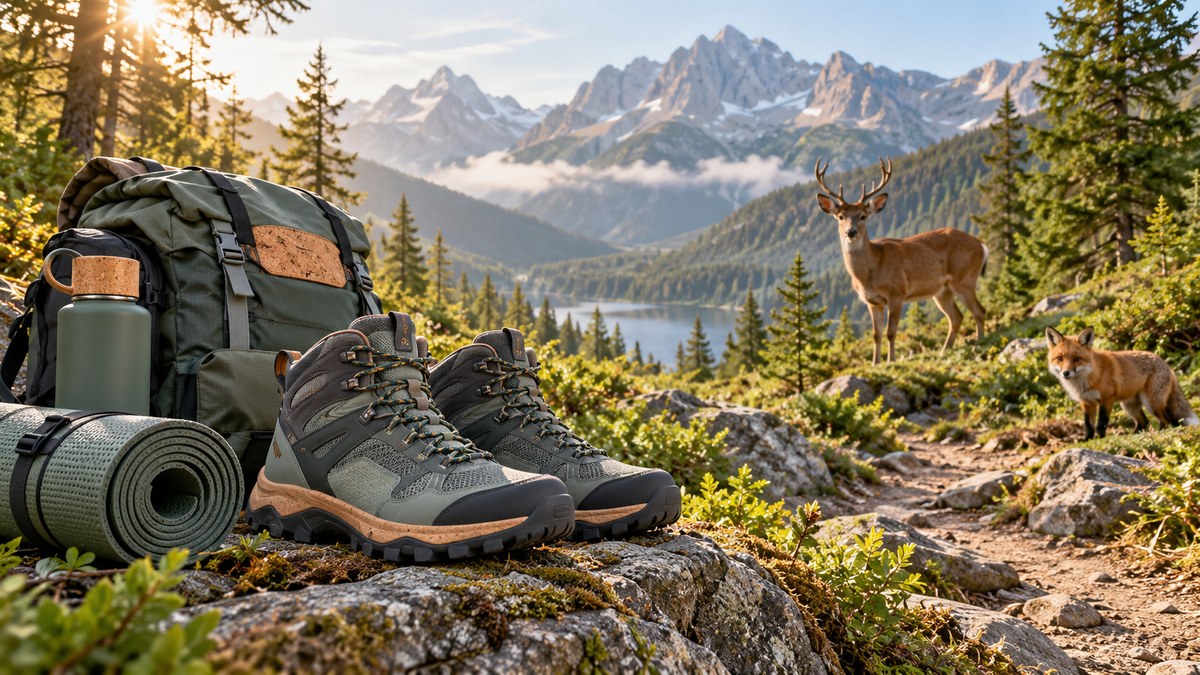
You lace up your boots, step onto the trail, and breathe in the fresh mountain air. The last thing on your mind is whether your footwear caused suffering. Yet for many popular hiking boots, animal products like leather and wool are standard materials. The supply chains behind these materials sometimes involve practices that clash with the values of an outdoor enthusiast. The good news? You don’t have to choose between a sturdy boot and a clear conscience. A growing number of brands now produce ethical hiking boots that are both wildlife friendly and built for the backcountry.
Many hiking boots contain leather, wool, or glues derived from animals, often sourced from industrial farming that harms wildlife and ecosystems. You can switch to vegan boots made from recycled synthetics, natural rubber, or plant-based materials. Look for certifications like PETA Approved Vegan and Bluesign to verify claims. Brands like Patagonia, Merrell, and Vivobarefoot offer strong options. Your purchase can protect animals and the planet.
How Your Boots Can Impact Wildlife
When you search for ethical hiking boots wildlife friendly options, you are probably thinking about direct harm to animals. But the connection runs deeper. Traditional leather tanning uses heavy metals like chromium that poison waterways. Runoff from these facilities can kill fish and amphibians for miles downstream. Wool production, even from non-mulesed sheep, often involves land clearing that destroys habitat for native species. And many synthetic boots rely on petroleum based plastics that contribute to climate change, which puts entire ecosystems at risk.
The hidden cost is real. A pair of standard leather boots might be responsible for the deaths of several animals directly, plus countless more indirectly through habitat loss and pollution. Understanding this chain helps you make a choice that aligns with your love for the outdoors.
What Makes a Hiking Boot Truly Wildlife Friendly?
Not every boot labeled “vegan” is automatically good for animals. Some vegan boots use virgin plastics that come from oil drilling, which harms wildlife during extraction and spills. A truly wildlife friendly boot considers the whole lifecycle. Here is what to look for:
- Recycled or bio based materials for the upper and sole
- PETA Approved Vegan or Vegan Society certification
- Bluesign or OEKO-TEX certification for chemical safety
- Transparent supply chain reports from the brand
- Durable construction that reduces replacement frequency
- Minimal packaging made from recycled content
If a brand cannot tell you where their materials come from, that is a red flag. The best companies publish their factory lists and sustainability audits online.
Materials to Avoid and Materials to Seek
The table below breaks down common boot materials and their ethical ratings.
| Material | Animal Impact | Environmental Impact | Wildlife Friendly Rating |
|---|---|---|---|
| Cow leather | Direct animal death, methane emissions | High water use, chromium pollution | Poor |
| Sheep wool (conventional) | Mulesing, land degradation | High water use, pesticide runoff | Poor |
| Sheep wool (non-mulesed) | No mulesing, still grazing impact | Lower but still significant | Fair |
| Synthetic leather (PU) | No direct animal harm | Petroleum based, microplastic shedding | Good |
| Recycled polyester | No direct animal harm | Lower carbon, reduces waste | Very Good |
| Natural rubber | No direct animal harm | Renewable, but deforestation risk | Good (with certification) |
| Hemp or jute | No direct animal harm | Low water, biodegradable | Excellent |
When you see a boot made with “leather,” ask if it is animal leather or plant based leather. Some brands use cactus, apple, or mushroom leather that avoids animal suffering entirely.
3 Steps to Find Your Perfect Wildlife Friendly Boot
You do not need to become a materials scientist. Follow this simple process to find ethical hiking boots that work for your feet and the planet.
-
Check the brand’s ethics page. Look for a dedicated section on animal welfare, not just sustainability. If they mention “responsible wool” or “by product leather,” read the fine print. By product leather still comes from cows raised for meat, often in factory farms. It is not cruelty free.
-
Verify certifications. A brand can say “vegan” without any third party check. Look for the PETA Approved Vegan logo or the Vegan Society trademark. For recycled materials, look for Global Recycled Standard (GRS) certification. These logos mean someone audited the claims.
-
Read reviews from other conscious hikers. Online communities like Reddit’s r/veganoutdoors or forums on the PETA website share real world feedback. A boot might be ethical on paper but fall apart after 50 miles, which creates waste and forces you to buy again. Durability is part of ethics.
“The most sustainable boot is the one you wear for ten years. Choose quality, repair when possible, and recycle at end of life.” – Sarah Marquardt, outdoor gear sustainability analyst
Top Brands for Ethical Hiking Boots in 2026
The market has grown significantly. Here are brands that meet high standards for animal welfare and environmental responsibility.
Patagonia offers the Drifter and Rover lines in vegan styles. They use recycled materials and donate 1% of sales to environmental groups. Their supply chain is fully transparent.
Merrell has a dedicated Vegan Collection. The Merrell Moab Speed Vegan uses recycled mesh and a non leather upper. It performs well on rocky terrain and dries fast.
Vivobarefoot makes barefoot style boots with a wide toe box. Their Primus line uses recycled plastic and natural rubber. The company also runs a resale program called Revivo to extend boot life.
Will’s Vegan Shoes produces hiking boots from Italian made vegan leather derived from corn waste. They ship carbon neutrally and offer a 365 day return policy.
Lems focuses on lightweight, minimalist boots. The Boulder Boot is a popular vegan option made with recycled materials and a natural rubber sole.
Why Certifications Matter More Than Labels
A brand can call a boot “eco friendly” without any proof. That is greenwashing. Certifications provide accountability. Here is what to look for when shopping for ethical hiking boots wildlife friendly options:
- PETA Approved Vegan: Ensures no animal ingredients and no animal testing
- Bluesign: Covers chemical safety in manufacturing
- Global Recycled Standard (GRS): Verifies recycled content claims
- Fair Trade Certified: Ensures fair wages and safe conditions for workers
- B Corp: Evaluates overall social and environmental performance
When a product has multiple certifications, you can trust it more. One lone label is better than none, but three or four is a strong signal.
Common Mistakes When Shopping for Ethical Boots
Even well meaning shoppers can slip up. Avoid these errors.
| Mistake | Why It Hurts Wildlife | Better Approach |
|---|---|---|
| Buying cheap vegan boots | Low quality materials shed microplastics and end up in landfills | Invest in durable boots from a trusted brand |
| Assuming all wool is ethical | Even non-mulesed wool requires grazing land that displaces wild animals | Choose wool alternatives like hemp or recycled fleece |
| Ignoring the sole material | Many soles use animal derived stearic acid or glues | Check for 100% synthetic construction |
| Forgetting about shipping | International shipping adds carbon emissions that harm ecosystems | Buy from local retailers or brands with carbon offset programs |
| Not repairing boots | Throwing away boots after one season creates waste | Learn to patch and resole your boots |
How to Extend the Life of Your Wildlife Friendly Boots
Taking care of your boots reduces waste and saves money. It also honors the animals and resources that went into making them.
- Clean dirt off after every hike. Dirt holds moisture that breaks down materials.
- Use vegan wax or conditioner on synthetic uppers to maintain water resistance.
- Replace laces and insoles before the boot itself fails. A $5 fix can add months of life.
- Resole when the tread wears down. Many cobblers can add new rubber soles.
- Store boots in a cool, dry place away from direct sunlight.
If you follow these steps, a good pair of ethical hiking boots should last five to seven years of regular use.
The Bigger Picture: Aligning Your Gear with Your Values
Choosing the right boot is one step. You can extend your impact by considering all your outdoor gear. Your backpack, tent, and jacket may also contain animal products or harmful chemicals. By supporting brands that prioritize animal welfare, you vote with your wallet for a better industry.
You can also take your advocacy further. Learning how to advocate effectively for animal rights in your community amplifies your personal choices. Many of the brands mentioned here also support wildlife conservation projects. When you buy from them, you fund habitat protection and rescue efforts.
If you want to help animals beyond your gear purchases, consider volunteering or donating to organizations that protect wildlife. Simple actions like supporting local animal shelters or choosing plant based meals on the trail also make a difference.
Your Next Steps on the Trail
You do not need to overhaul your entire wardrobe overnight. Start with your boots, since they are the foundation of every hike. Research one brand from this list. Read their ethics page. Check for certifications. Then make your purchase with confidence.
The wilderness you love deserves protection. Every piece of gear is a chance to show respect for the creatures that call those trails home. By choosing ethical hiking boots wildlife friendly options, you walk lighter on the earth and stand up for animals. That is a journey worth taking.