Advocating for animal rights in your community can feel overwhelming at first. You want to make a real difference but may wonder where to start or how to be most effective. The truth is, changing hearts and policies takes clear actions and persistent effort. With the right approach, you can turn your passion into tangible improvements for animals nearby. Small steps can lead to big progress. Let’s explore how you can become a powerful advocate for animal rights right where you live.
Advocating for animal rights in your community involves understanding local issues, building relationships, taking action through education and policy change, and staying persistent. Small consistent efforts can lead to meaningful change for animals around you.
Understanding Your Community’s Animal Rights Needs
Before jumping into action, take time to learn about the specific issues animals face in your area. Every community has its unique challenges, whether it involves stray animals, animal cruelty, or lack of access to shelters. Understanding these needs helps you target your efforts effectively.
Start by talking to local animal shelters, rescue groups, or humane societies. They can provide insight into pressing problems and suggest ways you can help. Attend community meetings or city council sessions to stay informed about policies affecting animals. Observing what’s happening locally allows you to identify gaps and opportunities for meaningful intervention.
Practical Steps to Advocate for Animal Rights Effectively
Once you understand your community’s needs, you can begin to make a difference. Here are practical steps to help you become a more effective advocate:
1. Educate and Raise Awareness
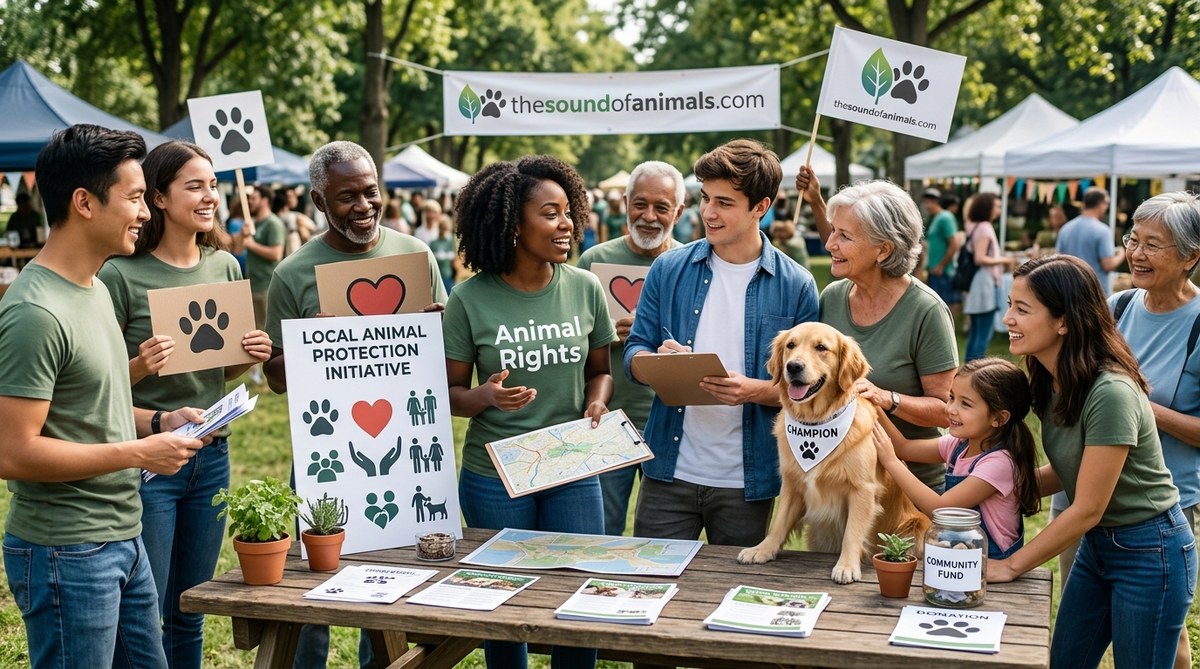
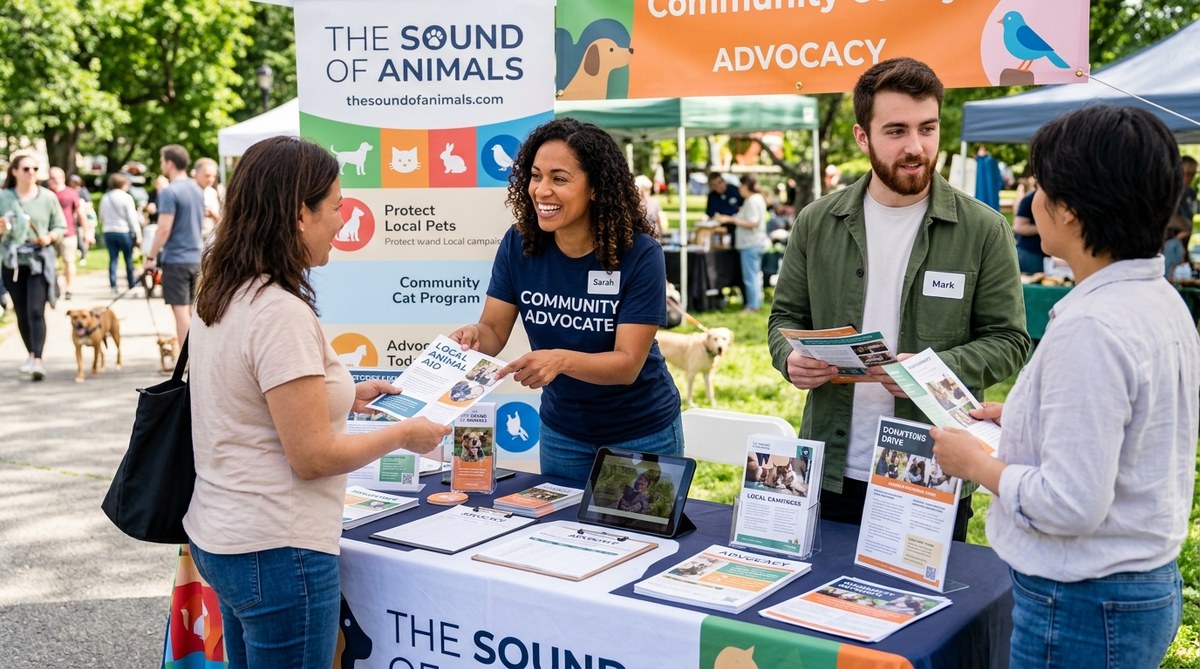
Knowledge is power. Educate yourself about animal rights issues and then share that knowledge with others. Use social media platforms to spread awareness about local issues like pet overpopulation, abandoned animals, or illegal animal cruelty. Share stories and resources that inspire action. Host community events or informational booths at local fairs or markets to reach a broad audience.
2. Build Relationships with Local Stakeholders
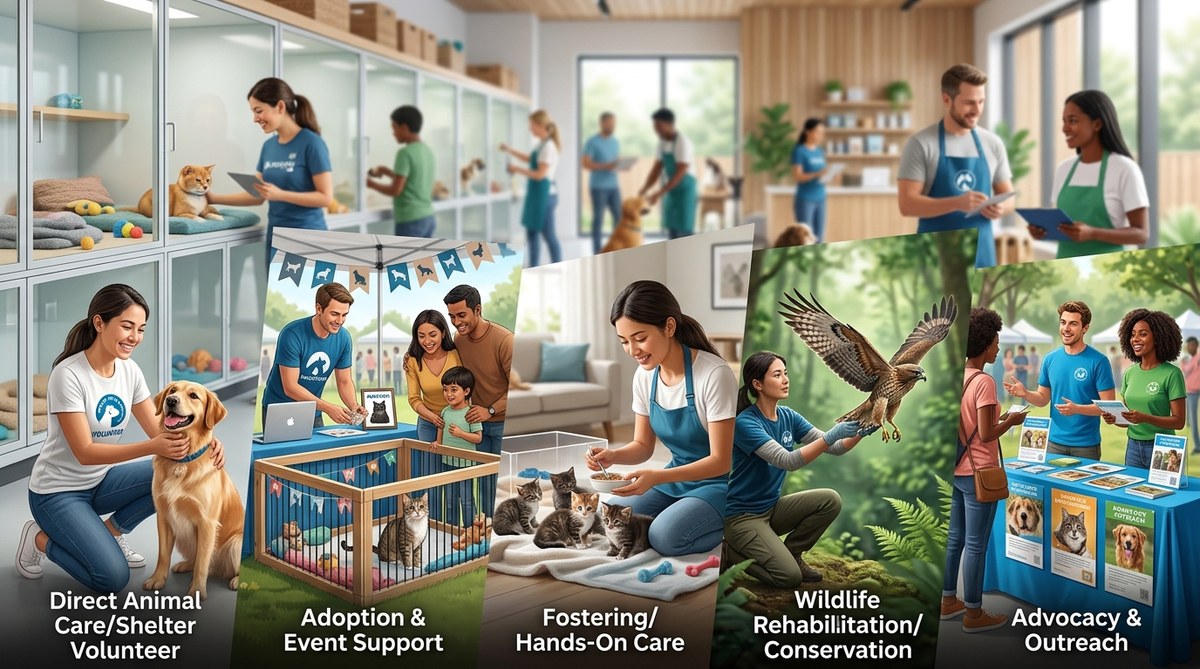
Collaborate with local organizations, veterinarians, and officials who are involved in animal welfare. Building genuine relationships can open doors to new opportunities. Volunteer at shelters or rescue groups. Your presence and consistent support demonstrate your commitment, making others more receptive to your advocacy efforts.
3. Advocate for Policy Changes
Policies greatly influence how animals are treated. Work with local government officials to promote laws that protect animals. This might include advocating for stricter anti-cruelty laws, better shelter funding, or responsible pet ownership ordinances. Attend city council meetings to voice your concerns or organize petitions to demonstrate community support.
4. Get Involved in Community Outreach
Join or organize events that engage the public. Examples include pet adoption fairs, educational workshops, or community clean-ups that also focus on creating safe environments for animals. Outreach helps normalize compassion and encourages responsible behavior toward animals.
5. Support and Promote Volunteer Work
Encourage community members to volunteer at shelters or rescue organizations. Volunteering not only helps animals directly but also creates a network of passionate advocates. Offer to coordinate volunteer efforts or provide resources for those interested in helping.
Common Techniques for Effective Advocacy and Pitfalls to Avoid
| Technique | What to Do | Common Mistakes |
|---|---|---|
| Education campaigns | Use social media, flyers, and events to inform | Overloading information or using fear tactics |
| Policy advocacy | Meet with officials, organize petitions | Ignoring community opinions or legal procedures |
| Community engagement | Host events, collaborate with local groups | Neglecting diverse community voices or outreach channels |
| Volunteer mobilization | Coordinate shelter support, foster programs | Overcommitting volunteers or poor management |
“Consistent, informed advocacy builds trust and creates lasting change. Focus on respectful dialogue and community collaboration to see real progress,” advises local animal welfare expert Jane Doe.
How to Stay Motivated and Measure Your Impact
Advocacy is a marathon, not a sprint. Celebrate small wins such as increased shelter adoptions or successful policy changes. Keep track of your efforts through a journal or digital records. Feedback from community members and local organizations can show how your work influences change.
Connect with other advocates for mutual support. Sharing stories and successes keeps motivation high. Remember, even small actions like fostering a stray or educating a neighbor contribute to a larger movement for animal rights.
Building a Supportive Network for Long-Term Change
Creating a community of like-minded individuals amplifies your impact. Join local groups or online forums dedicated to animal welfare. Attend workshops, seminars, or conferences to learn new advocacy techniques. Collaboration opens doors for larger campaigns and shared resources.
Encourage others to get involved by sharing your experiences and successes. The more voices advocating for animals, the stronger the movement becomes. Support each other through challenges and celebrate milestones together.
Staying Persistent and Overcoming Challenges
Advocacy can face setbacks. Some policies may stall, or community attitudes might resist change. Keep your focus on long-term goals and remember why you started. Educate yourself on effective persuasion techniques and patience. Persistence often wins over time.
Address misconceptions respectfully. Use facts and compassionate stories to shift opinions. Stay connected with local organizations that can provide guidance and support. Your dedication can inspire others to join the cause.
Final Thoughts on Making a Difference Locally
Advocating for animal rights in your community is a rewarding journey. It requires patience, persistence, and a genuine desire to create positive change. Focus on understanding your community’s needs, building relationships, and taking consistent action. Small steps, like educating others or supporting local shelters, accumulate into meaningful progress.
Your voice matters. Every effort counts when it comes to protecting animals and fostering a more compassionate society. By staying committed and working together, you can turn your community into a safer, kinder place for all animals.
How to Keep the Momentum Going for Animal Rights
Maintaining your advocacy efforts over time ensures lasting impact. Keep learning about local issues and new techniques. Celebrate milestones and recognize the contributions of others. Encourage community members to take ownership of initiatives.
Remember, change often happens gradually. Patience and continued effort will lead to a more humane and respectful environment for animals in your neighborhood. Keep inspiring others, and never underestimate the power of your commitment.
Start today by reaching out to your local shelter or animal group. Your community needs your voice. Together, we can make a real difference for animals close to home.