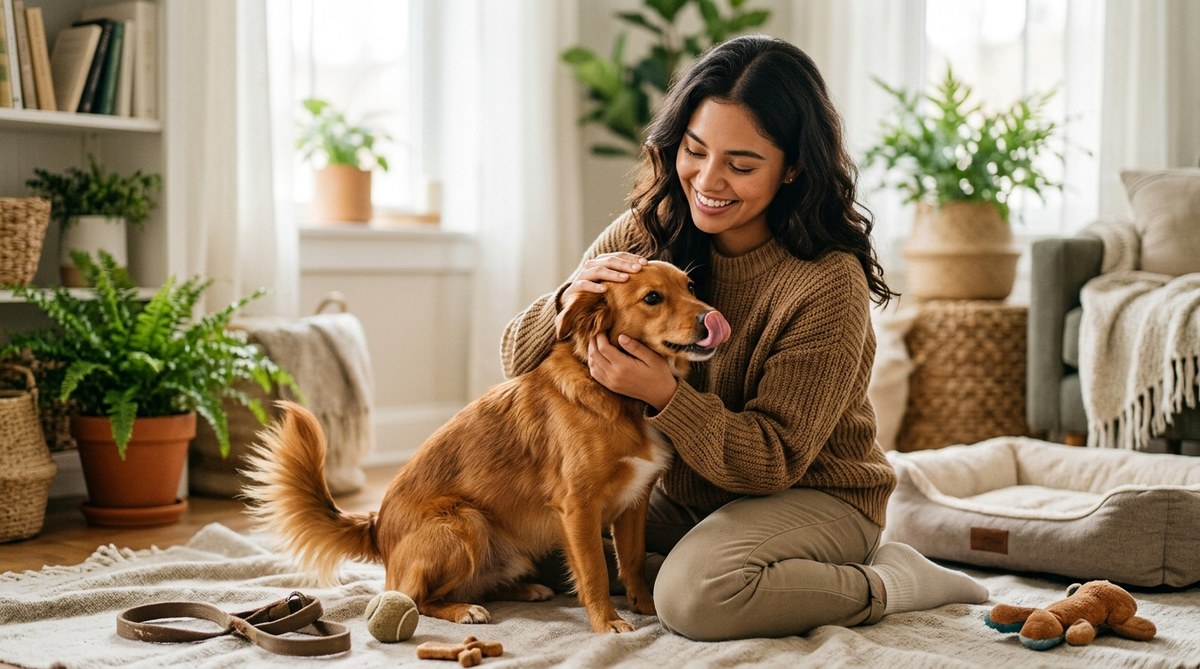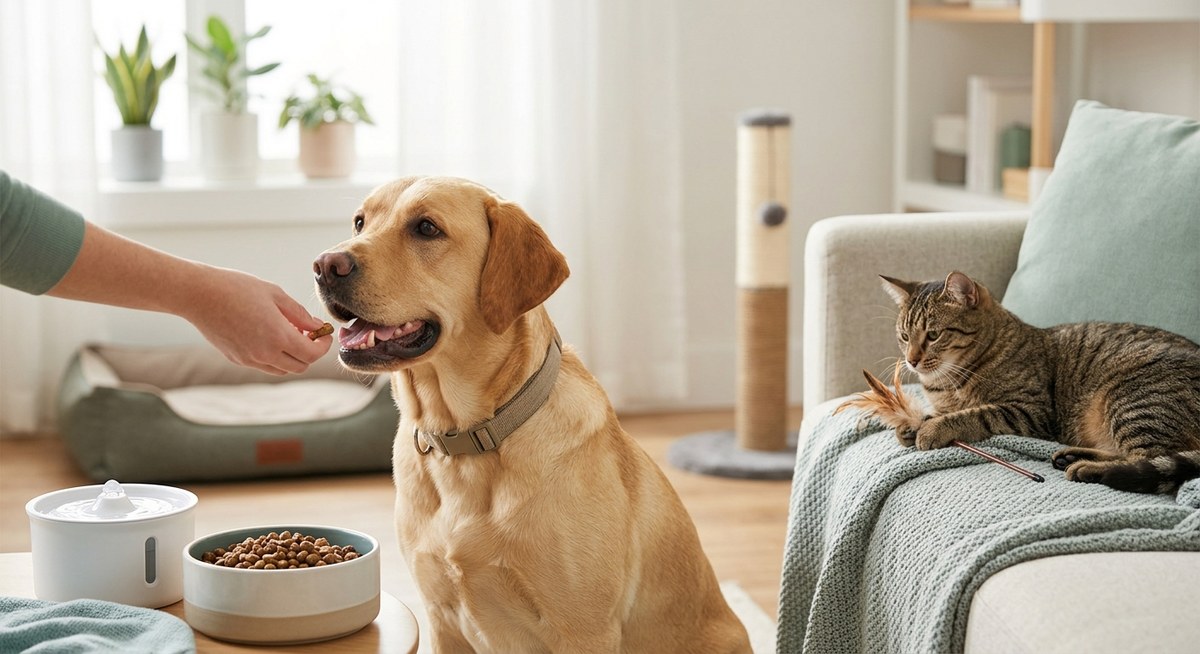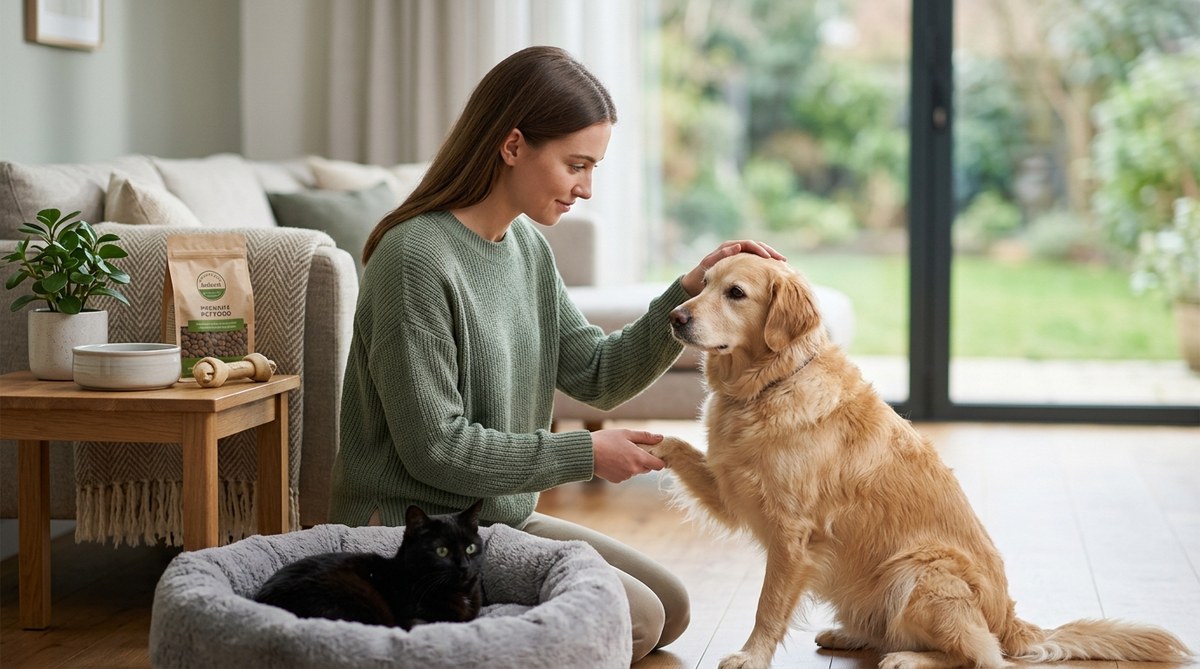
Taking care of a pet is more than just providing food and shelter. It involves a deep commitment to their well-being, happiness, and health. Responsible pet ownership is about understanding your pet’s needs and creating an environment where they can thrive. Whether you’re a new pet parent or looking to refresh your approach, this guide offers practical steps and expert advice to help you become a more responsible and caring owner. Let’s explore how you can make a positive impact on your pet’s life and ensure a loving, respectful relationship that lasts.
Being a responsible pet owner means making a lifelong commitment to your pet’s health, safety, and happiness. It involves education, patience, proper training, and creating a safe environment. By understanding your pet’s unique needs and consistently providing love and care, you help foster a bond built on trust and respect that benefits both you and your furry companion.
Understanding What Responsible Pet Ownership Really Means
Responsible pet ownership is rooted in the idea that pets are family members. It’s about more than basic needs; it’s about ensuring their quality of life. Responsible owners prioritize health, safety, socialization, and ethical choices like adoption over shopping for pets. Every decision you make impacts your pet’s well-being and the overall community of pet owners.
Core Principles of Ethical and Responsible Care
- Providing proper nutrition and veterinary care
- Ensuring a safe environment
- Training with kindness and patience
- Socializing your pet for good behavior
- Respecting your pet’s natural instincts and needs
- Making a lifelong commitment
By following these principles, you lay a strong foundation for a happy, well-adjusted pet and a fulfilling relationship.
Practical Steps for Responsible Pet Ownership
To truly embrace responsibility, you need a clear plan of action. Here are three essential steps to guide your journey:
- Assess Your Readiness and Lifestyle
Before bringing a pet home, evaluate your current lifestyle. Consider your work schedule, living situation, and future plans. Ask yourself if you have enough time and resources to meet your pet’s needs.
- Choose the Right Pet for Your Situation
Not every pet fits every home. Think about your activity level, space, and experience with animals. Research different breeds or species to find a good match. Remember, adopting from shelters helps reduce overpopulation and gives a deserving animal a second chance.
- Prepare Your Home and Mindset
Create a safe space with essentials like food, water, toys, and a cozy resting area. Remove hazards that could harm your pet. Educate yourself about your pet’s specific needs and behavior. Seek advice from professionals or experienced owners if needed.
Tips for Making Ethical Choices
- Always opt for adoption when possible.
- Avoid impulsive purchases from breeders or pet stores.
- Invest in training that emphasizes positive reinforcement.
- Keep your pet’s environment enriching and stimulating.
- Stay committed for the long term, even when challenges arise.
Maintaining Your Pet’s Well-being
Responsible care is ongoing. Regular veterinary visits are vital to prevent illness and catch health issues early. Proper nutrition supports growth and energy. Exercise and mental stimulation keep your pet happy and engaged, reducing behavioral problems.
Routine Veterinary Care
- Schedule annual check-ups
- Keep vaccinations up to date
- Discuss preventive measures like flea and tick control
- Consider dental health as part of regular care
Nutrition and Enrichment
- Feed species-appropriate, high-quality food
- Provide fresh water at all times
- Offer toys and activities that challenge their minds
- Incorporate daily playtime and walks
Training and Socialization
- Use positive reinforcement techniques
- Teach basic commands consistently
- Expose your pet to different environments and people
- Address behavioral issues early with patience
Creating a Safe and Loving Environment
Your home should be a sanctuary for your pet. Pet-proof your space by securing cords, removing toxic plants, and ensuring dangerous objects are out of reach. Use identification tags and microchips to help reunite you if your pet gets lost.
Safety and Identification
| Technique | Common Mistake | Correct Practice |
|---|---|---|
| Microchipping | Forgetting to update info | Keep info current with microchip registry |
| Secure fencing | Using weak fencing | Install sturdy fencing suitable for your pet’s size and activity level |
| Pet-proofing | Leaving hazards accessible | Regularly inspect and remove harmful items |
“The greatness of a nation and its moral progress can be judged by the way its animals are treated.” — Mahatma Gandhi
Grooming and Hygiene
Regular grooming keeps your pet comfortable and helps you spot health issues early. Brush fur, trim nails, and check ears regularly. Maintain a clean living space to prevent infections.
Navigating Challenges with Compassion and Knowledge
All pets have unique personalities and needs. Challenges such as behavioral issues or health concerns require patience and a willingness to learn. Seek guidance from veterinarians, trainers, or pet behaviorists when needed. Remember, mistakes happen, but what matters most is your commitment to doing better.
| Technique | Mistake | Better Approach |
|---|---|---|
| Ignoring behavioral signs | Punishing undesirable behavior | Use positive reinforcement and redirection |
| Skipping vet visits | Overlooking health issues | Schedule regular health checkups |
| Inconsistent training | Confusing your pet | Maintain consistent routines and commands |
Being a Responsible Pet Advocate
Your role extends beyond your home. Share your knowledge with friends and family. Support local shelters and rescue organizations. Volunteer or donate resources to help animals in need. Responsible pet ownership contributes to healthier communities and happier animals.
Caring for Your Pet Through Life’s Changes
Life evolves, and so do your responsibilities. Moving, having children, or changes in work can affect your pet’s routine. Plan ahead to ensure your pet’s stability. Consult professionals for advice tailored to your situation. Flexibility and ongoing commitment are key.
Final Tips for a Fulfilling Pet Relationship
- Stay informed about your pet’s breed-specific needs
- Keep an open mind and adapt as your pet ages
- Celebrate milestones and everyday moments alike
- Remember that responsible ownership is a continuous journey
Making a Difference One Pet at a Time
Owning a pet is a privilege that comes with the duty to care ethically and responsibly. By making informed choices, dedicating time and resources, and showing compassion, you foster a bond that benefits both you and your animal. Your commitment improves lives and sets a positive example for others.
A Warm Send-Off for Future Responsible Owners
Every responsible owner starts with a willingness to learn and a heart full of love. Take the lessons from this guide to heart. Your efforts create a safe, joyful life for your pet and contribute to a more caring community. Remember, responsible pet ownership is a daily practice of kindness, patience, and dedication.
Adopting a pet is a lifelong promise. Make sure you’re ready to keep that promise with love, responsibility, and respect. Your pet depends on you to be their best advocate and companion.