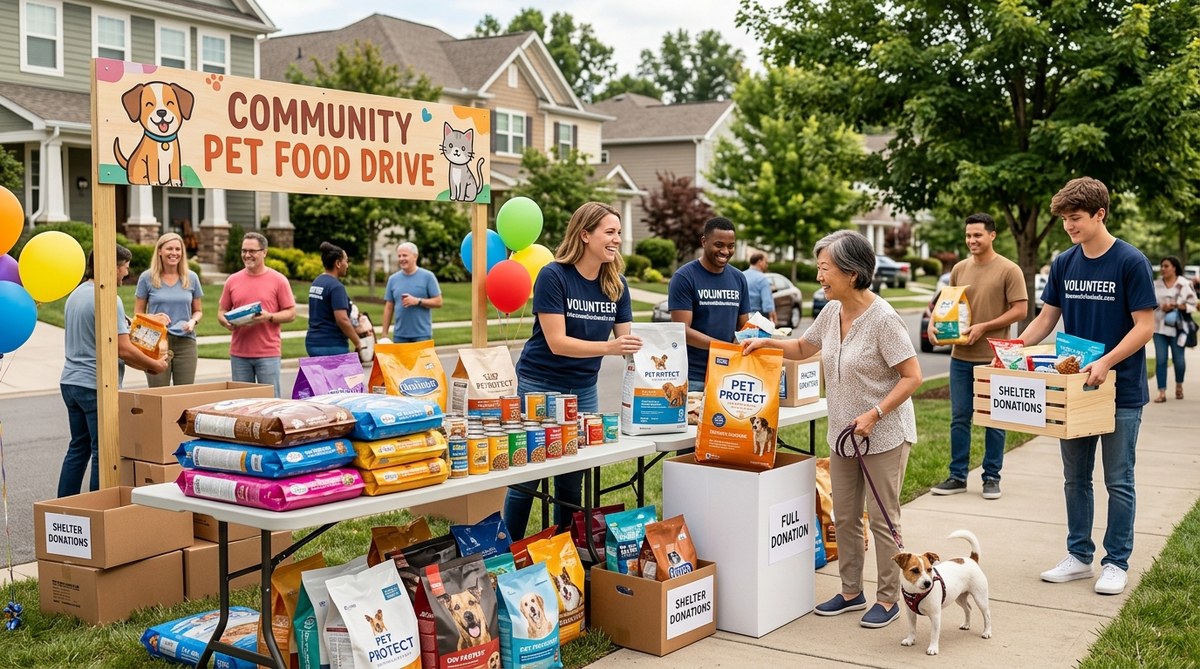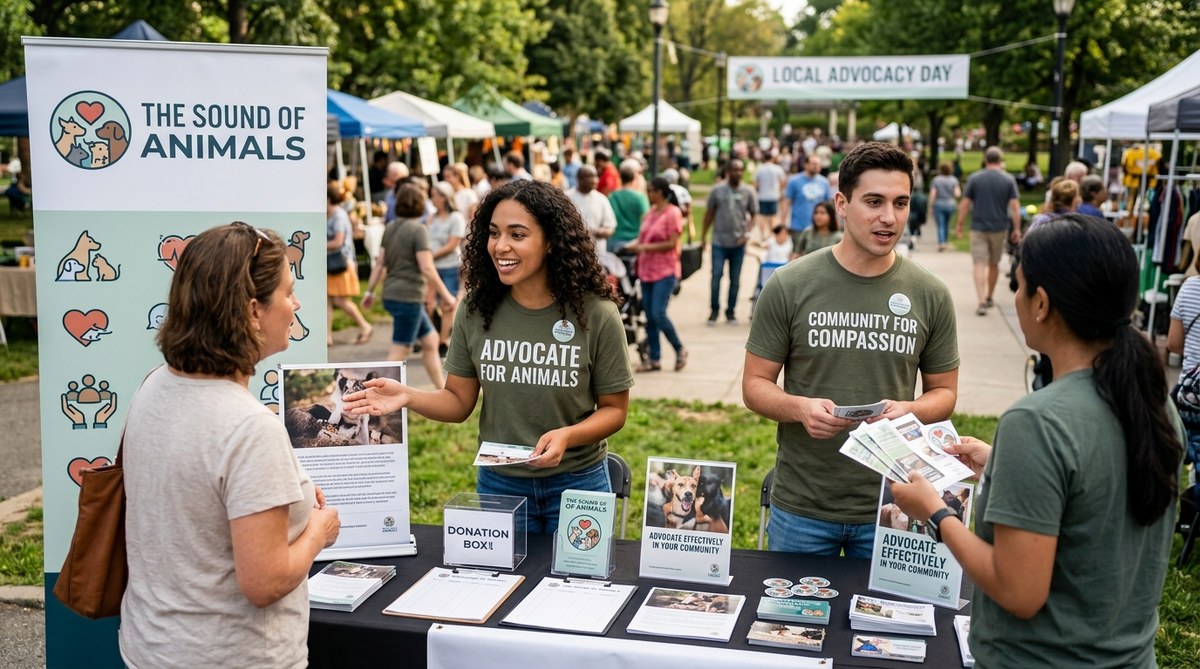
Advocating for animal rights in your community is a powerful way to create meaningful change. It’s about more than just caring for animals; it’s about actively influencing policies, raising awareness, and inspiring others to join the cause. When you take action locally, your efforts can lead to safer environments for animals and a more compassionate community overall. Whether you’re a seasoned activist or just starting out, there are accessible ways to make your voice heard and help animals thrive.
Advocating for animal rights in your community involves understanding local issues, engaging with others, and taking consistent actions. From educating neighbors to working with local officials, your efforts can build a more compassionate environment for animals. Focus on practical steps, stay informed, and inspire others to join your cause for lasting impact.
Understanding Your Role as a Community Advocate
Before jumping into actions, it’s helpful to clarify what advocacy truly means. It’s about being a voice for animals that can’t speak for themselves. Your role can include educating others, pushing for policy changes, and creating a culture of kindness. Recognizing your influence in your community allows you to tailor your efforts effectively.
Effective advocacy often starts with understanding local issues. Are there stray animals in your neighborhood? Is there a shelter that needs support? Are local laws protecting animals, or do they need to be improved? Knowing the landscape helps you prioritize your actions and collaborate with others who share your passion.
Practical Steps to Advocate for Animal Rights in Your Community
- Educate and Raise Awareness
Knowledge is power. Start by sharing information about animal welfare issues with friends, family, and neighbors. Use social media platforms to spread stories, facts, and calls to action. Organize community talks or workshops on responsible pet ownership or the importance of animal protection laws. The more people understand, the more they can be inspired to help.
- Engage with Local Policy Makers
Local laws shape the treatment of animals in your area. Reach out to city council members, attend public meetings, and voice your concerns. Present well-researched proposals for better animal protection laws or programs. Building relationships with officials can lead to meaningful policy changes that benefit animals long-term.
- Volunteer and Support Local Organizations
Join local shelters, rescue groups, or advocacy organizations. Volunteering your time and skills can make a tangible difference. Whether you’re walking dogs, helping with fundraising, or organizing events, your involvement strengthens the community’s capacity to care for animals.
Additional tips for effective advocacy:
- Collaborate with schools for educational programs.
- Host or participate in community clean-up and adoption events.
- Use storytelling to connect emotionally with your audience.
- Advocate for responsible pet ownership and spay/neuter programs.
- Support businesses that prioritize animal welfare.
Techniques for Successful Advocacy and Common Mistakes to Avoid
| Techniques | Mistakes to Avoid |
|---|---|
| Building genuine relationships | Ignoring community input |
| Using clear, respectful communication | Overlooking local laws and regulations |
| Consistency in actions | Being confrontational or aggressive |
| Collaborating with others | Spreading misinformation |
| Staying informed on issues | Focusing only on high-profile campaigns |
“Effective advocacy hinges on patience and persistence. Small, consistent actions often lead to lasting change,” advises Dr. Jane Smith, an animal welfare expert.
Connecting with Your Community for Greater Impact
Community-based advocacy thrives on collaboration. Join or start local groups focused on animal welfare. Attend town hall meetings and advocate for policies that protect animals. Partner with schools, businesses, and other organizations to amplify your message. When more voices come together, change becomes unstoppable.
Ways to broaden your impact:
- Organize educational events at community centers.
- Create petitions for local legislation.
- Use social media to highlight community success stories.
- Encourage local media coverage of animal issues.
- Celebrate milestones and victories with your supporters.
Overcoming Challenges in Community Advocacy
Advocacy is not without obstacles. Some community members may be indifferent or resistant. Others might oppose stricter laws or new initiatives. Address these challenges with patience, empathy, and facts. Listening to concerns and providing solutions can turn opposition into support.
Strategies include:
- Providing evidence-based information.
- Sharing success stories from other communities.
- Highlighting the economic benefits of animal-friendly policies.
- Engaging skeptics in dialogue rather than confrontation.
Measuring Your Progress and Staying Motivated
Track your efforts by noting changes in local policies, community participation, and animal welfare indicators. Celebrate small wins to keep morale high. Remember that community change takes time. Your dedication can inspire others and expand your reach.
Resources for Ongoing Support and Education
- Local animal welfare organizations
- Online advocacy toolkits
- Educational webinars and workshops
- Government websites for policy information
- Social media groups dedicated to community advocacy
Taking Your Advocacy to the Next Level
When you build a network of supporters, your voice grows stronger. Organize community campaigns or events to raise awareness and funds. Advocate for policy changes at city council meetings. Write letters or op-eds to local newspapers. Each step amplifies your impact and encourages others to join.
Final Thoughts: Creating a Culture of Compassion
Advocating for animal rights in your community is a rewarding journey. It’s about inspiring kindness, educating others, and pushing for policies that protect vulnerable animals. Your actions, no matter how small, contribute to a more compassionate world. Start today by reaching out to your neighbors, engaging with local organizations, or simply sharing your passion for animals. Together, you can make a lasting difference.
Keep Moving Forward for the Animals
Remember, real change happens when community members come together. Your voice matters greatly. Continue learning, stay committed, and encourage others to step into advocacy. Every effort counts toward building a society where animals are respected and protected. Your dedication can transform your community into a haven for animals in need.