Your morning coffee does more than wake you up. It can actually become a force for good in the lives of animals. If you care about both your brew and the creatures we share the planet with, you are in the right place. The connection between coffee and animal welfare runs deeper than most people realize. Let us walk through seven surprising ways your daily cup can make a real difference.
Your daily coffee ritual can directly support animal welfare through seven unexpected pathways. From funding shelter meals and protecting wildlife habitats to funding spay/neuter clinics, your choice of beans and brand matters. This guide shows you exactly how to turn your morning cup into a lifeline for animals in need.
Your Coffee Choice Can Fund Shelter Meals
Many coffee roasters now partner directly with animal shelters. They donate a percentage of each sale to help feed and care for homeless pets. When you buy a bag of beans from a brand like Grounds & Hounds or Twitchy Coffee, part of your payment goes straight to a rescue organization. It is a simple transaction that adds up fast.
If you drink one cup of coffee per day, that is over 365 cups a year. Choosing a brand that donates to shelters means you are effectively sponsoring meals for a shelter dog or cat every single day. Some brands even track how many bowls of food their customers have funded. You can see the impact grow in real time.
Look for labels that state a specific donation amount. For example, “one dollar per bag sold” or “ten meals donated per purchase.” These clear commitments make it easy to trust where your money is going.
Shade-Grown Coffee Protects Bird Habitats
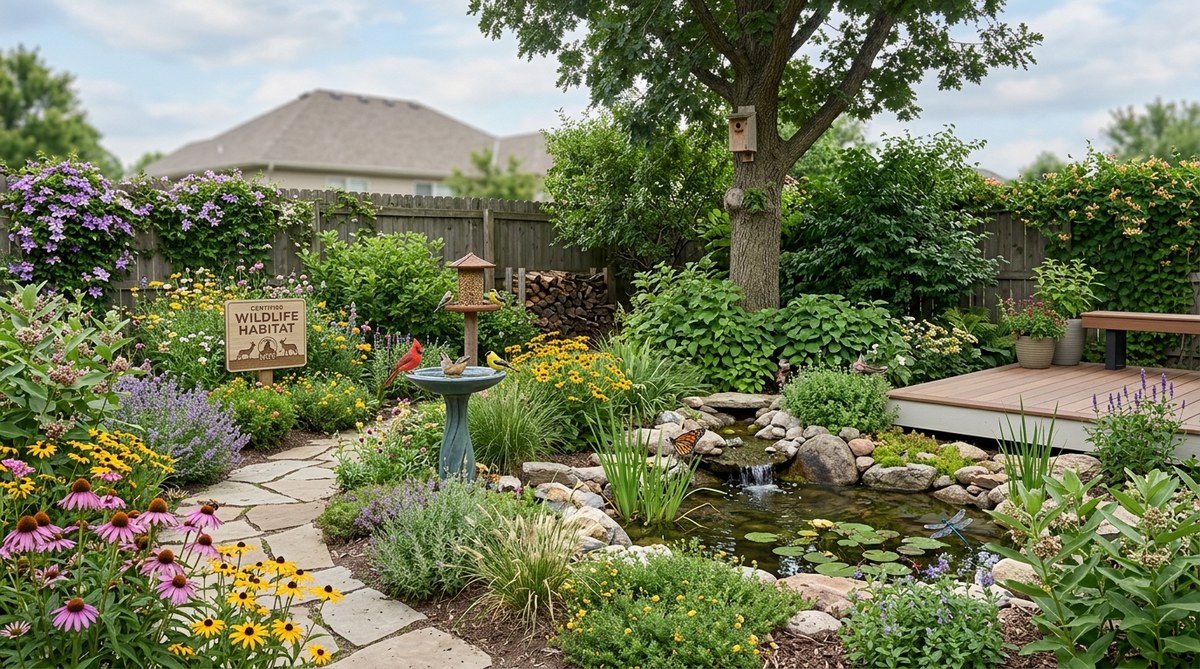
Coffee farms can either help or harm local wildlife. Traditional sun-grown coffee requires clearing forests. This destroys the homes of migratory birds, insects, and small mammals. Shade-grown coffee, on the other hand, keeps the forest canopy intact. Birds get to keep their nesting grounds. Bees and butterflies continue to pollinate native plants.
The Smithsonian Migratory Bird Center certifies shade-grown coffee farms. When you buy coffee with their “Bird Friendly” seal, you are supporting farming methods that protect over 150 species of birds. This is one of the most direct ways your coffee animal welfare connection works through habitat conservation.
You do not have to be a birdwatcher to appreciate this. Healthy bird populations mean fewer pests for farmers, which means less pesticide use. It is a cycle that benefits everyone.
Coffee Grounds Can Enrich Compost for Rescue Farms
Your used coffee grounds do not have to end up in a landfill. Animal sanctuaries and rescue farms often use compost to grow vegetables for their animals. Coffee grounds are rich in nitrogen, which makes them a perfect addition to a compost pile.
Here is a simple process to donate your grounds:
- Collect your used grounds in a sealed container over the course of a week.
- Check with local animal sanctuaries or farm rescues if they accept compost donations.
- Drop off the grounds on their scheduled compost pickup days.
- If they do not accept direct donations, find a community garden that supplies produce to animal rescues.
Some coffee shops now offer “grounds for good” programs where they give away used coffee grounds to gardeners and farmers for free. You can pick up a bag and deliver it to a local rescue yourself.
Ethical Brands Fund Spay and Neuter Clinics
Overpopulation is one of the biggest challenges facing animal shelters. Every year, millions of healthy cats and dogs are euthanized simply because there are not enough homes. Some coffee companies tackle this problem directly by funding spay and neuter programs.
These brands set aside a portion of their profits to pay for low-cost or free clinics in underserved communities. By preventing unwanted litters, they reduce the number of animals entering shelters in the first place. This is a long-term solution that saves lives.
When you buy from these companies, you are contributing to a system that stops the cycle of pet overpopulation. It is a proactive approach to coffee animal welfare that prevents suffering before it starts.
| Brand Focus | How They Help | Impact Example |
|---|---|---|
| Grounds & Hounds | Donates 20% of profits to rescue groups | Funded over 500,000 shelter meals in 2025 |
| Twitchy Coffee | Supports spay/neuter clinics | Helped sterilize 1,200 cats in rural areas |
| Bird Friendly Certified | Protects migratory bird habitats | Preserves 150+ bird species per farm |
Your Morning Routine Can Raise Awareness on Social Media
You do not need a big platform to help animals. A simple photo of your coffee cup can start conversations. When you post about the ethical brand you are drinking, your friends and followers see it. They might ask questions. They might switch their own habits.
Consider these easy ways to spread the word:
- Share a picture of your coffee bag and tag the brand.
- Write a short caption about how your purchase supports animal welfare.
- Use a relevant hashtag like #CoffeeForACause or #BrewForRescue.
- Tag a local shelter to show them you are supporting their work.
One post can inspire ten people to check out the brand. Those ten people might each buy a bag. That is ten more donations to animal welfare, all started by your morning coffee photo.
“Small actions compound. A single customer who posts about their ethical coffee purchase can influence their entire social circle. That is how movements start.” – Sarah Mitchell, director of community outreach at the Animal Welfare Society
Coffee Farms Can Employ Humane Animal Labor Standards
Not all coffee is created equal when it comes to animal welfare. Some farms still use animals for transportation or labor in ways that can be harmful. But a growing number of ethical coffee farms are changing that. They ensure that any working animals on the farm are treated with care, given proper rest, food, and medical attention.
You can look for certifications that include animal welfare standards. The Rainforest Alliance certification, for example, includes criteria for the humane treatment of working animals. When you buy certified coffee, you are voting for a system that respects the animals involved in the production process.
This might not be the first thing you think of when you consider coffee animal welfare, but it matters. Every link in the supply chain affects living creatures.
Your Purchase Supports Rescue Organizations Directly
Some coffee brands have built their entire identity around animal rescue. They donate a fixed percentage of every sale to a specific shelter or rescue network. This creates a reliable stream of funding that shelters can count on.
Shelters use this money for:
- Veterinary care and vaccinations
- Food and bedding
- Adoption event supplies
- Emergency medical treatments
- Transport costs for animals moved to safer regions
When you buy a bag of coffee from a rescue-focused brand, you are not just making a donation. You are becoming a repeat supporter. Shelters love this because it is predictable. They can plan their budgets around it. This is much more effective than relying on one-time donations.
If you want to take it a step further, you can also learn more about how to start a neighborhood pet food drive for shelters in need. Combining your coffee habit with a community action plan multiplies your impact.
Your Morning Cup Has Never Meant More
The next time you brew a pot of coffee, think about the animals that might benefit from your choice. Whether you are protecting birds in the rainforest, funding a spay clinic, or simply buying a bag that feeds a shelter dog, you are part of something bigger. This is not about guilt or pressure. It is about realizing that a habit you already enjoy can do good in the world.
Start small. Pick one brand from this article and try it for a month. See how it feels to know your morning ritual is helping animals. Then share that feeling with someone else. That is how change happens, one cup at a time.