You love animals. That much is clear. Maybe you grew up with a rescue dog, or you feel a tug in your chest every time you see a stray cat. But for reasons ranging from allergies to emotional sensitivity to a packed schedule, walking shelter dogs or cleaning kennels isn’t an option for you. That does not mean your compassion has to go to waste. In fact, some of the most critical roles in animal welfare involve zero direct contact with animals. You can still be their champion from a distance. Let us look at seven practical, heartwarming ways to help.
You do not need to touch, handle, or even be near animals to make a significant impact on their lives. From administrative support to digital advocacy, there are many volunteer opportunities without working with animals that fit your skills, schedule, and comfort level. This guide walks you through seven distinct roles that channel your love for animals into real, measurable help.
Why Indirect Help Is Just as Vital
Many people assume that if you cannot scoop kibble or walk a dog, your help is not needed. That is false. Animal shelters, rescue groups, and advocacy organizations run on more than just hands-on care. They need people to manage phone calls, write grant proposals, take photographs, and coordinate events. Without these behind-the-scenes volunteers, the people who do work directly with animals cannot do their jobs well.
Think of it this way. A veterinarian can only treat as many animals as the front desk staff can schedule. A rescue driver can only transport as many pets as the fundraiser can buy gas for. When you take on a non-animal role, you free up others to focus on the animals themselves.
A Roadmap to Finding Your Perfect Role
Before we get into specific opportunities, here is a simple process to help you identify where you fit best.
- Assess your limits. Write down exactly what you cannot do. Is it handling animals? Being around dander? Witnessing medical procedures? Knowing your boundaries is your first step.
- List your marketable skills. Are you good with spreadsheets? Do you enjoy writing? Can you take a compelling photo? Be honest about what you bring to the table.
- Research local organizations. Look up shelters, rescues, and sanctuaries in your area. Check their websites for volunteer pages. Many list non-animal roles specifically.
- Reach out and ask. Send an email or make a call. Say, “I want to help animals, but I cannot work with them directly. Do you have any openings in admin, fundraising, or communications?”
- Start small. Commit to a short-term project first. You can always take on more later if it feels right.
Seven Roles That Let You Help Without Handling Animals
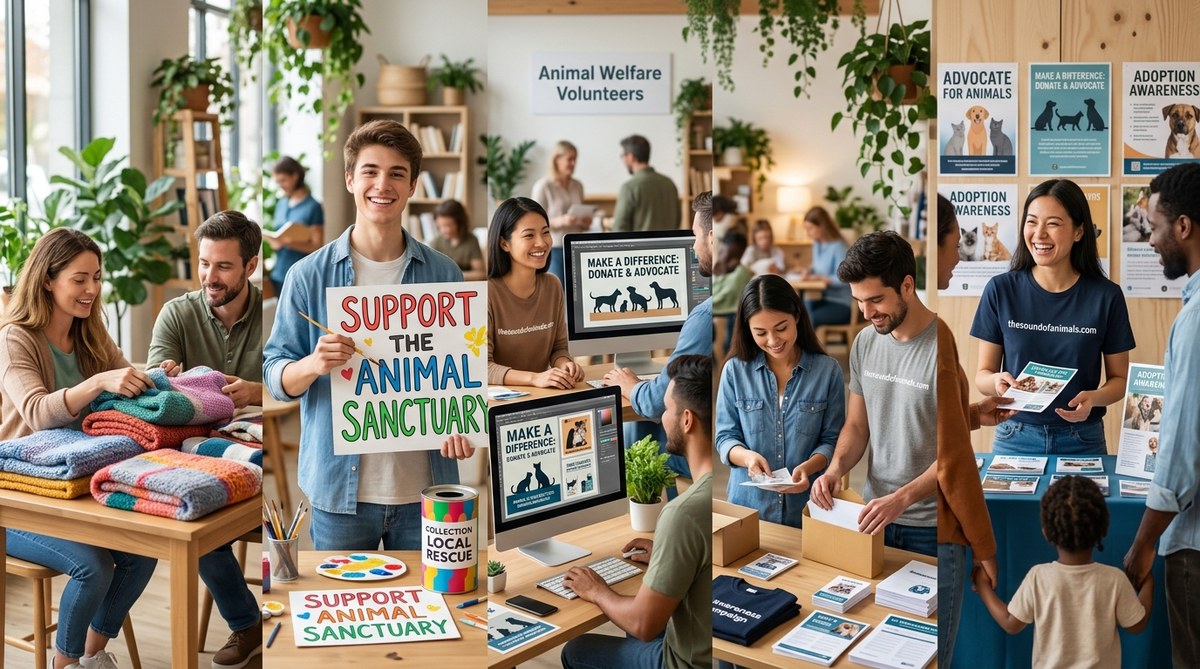
Here are seven specific volunteer opportunities without working with animals. Each one is a legitimate, high-impact way to serve the cause.
1. Administrative and Office Support
Shelters are busy places. The phone rings constantly. Adoption applications pile up. Emails need responses. Volunteers who can handle clerical tasks are worth their weight in catnip.
Typical duties include:
– Answering phones and directing calls
– Data entry for adoption records
– Filing paperwork and organizing files
– Greeting visitors and directing them to the right person
This role is perfect if you have office experience or just good organizational skills. You get to be the calm, helpful voice that connects people with the services they need.
2. Fundraising and Grant Writing
Money makes rescue work possible. It pays for food, medicine, spay and neuter surgeries, and utility bills. Fundraising volunteers plan events, write appeal letters, and manage online giving campaigns. Grant writers research foundations and submit proposals to secure large donations.
If you have a knack for persuasive writing or event planning, this is a powerful way to contribute. Every dollar you raise translates directly into care for animals you never have to touch.
3. Photography and Videography
A great photo can find a home for a shelter pet. Adoption listings with professional-quality pictures get more views and more applications. Volunteers with cameras can visit the shelter to take portraits of animals, capturing their personality in a single frame.
You do not need to interact with the animals if that is a problem. Many shelters have a designated space where staff members handle the animal while you focus on the camera. Your work helps animals find their forever families.
4. Social Media Management and Content Creation
Animal welfare organizations need a strong online presence. They need people to write posts, respond to comments, and share success stories. Social media volunteers build community and spread awareness without ever stepping foot in a kennel.
You could manage a Facebook page, create Instagram stories, or write a monthly newsletter. Your content educates the public, promotes adoption events, and encourages donations. This role is ideal for anyone comfortable with digital tools.
5. Transportation and Supply Runs
This role involves driving, not handling. You might pick up donated supplies from a local pet store, deliver food to a foster home, or transport paperwork between locations. Some organizations need volunteers to drive animals to vet appointments, but you can specify that you prefer supply runs only.
If you have a reliable car and a few free hours each month, you can keep the organization running smoothly. You are the logistics backbone.
6. Event Coordination and Community Outreach
Adoption events, vaccination clinics, and fundraisers do not plan themselves. Event volunteers handle permits, set up tables, manage sign-in sheets, and clean up afterward. Outreach volunteers staff booths at farmers markets or school fairs, handing out literature and talking to the public.
You represent the organization without needing to handle a single animal. Your job is to connect with people and spread the mission.
7. Foster Support and Supply Preparation
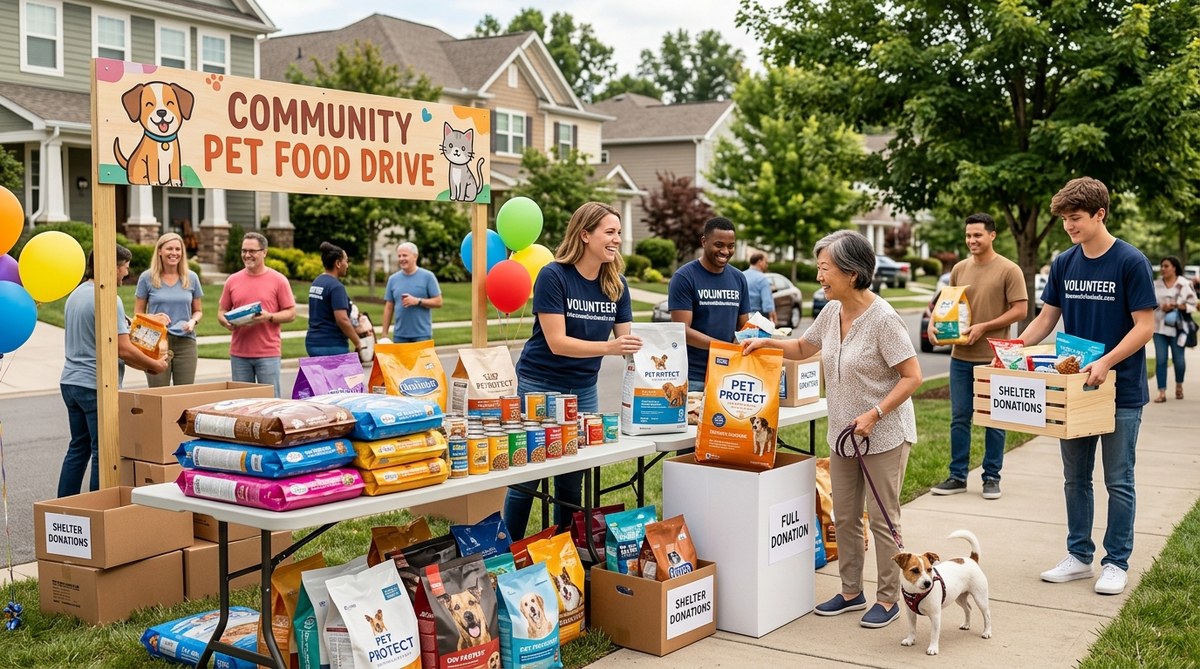
Foster care is a lifeline for many shelters. But foster families need support too. You can help by preparing supply kits, washing donated bedding, sorting food donations, or coordinating pickups and drop-offs. Some organizations need people to fold laundry or sanitize crates.
This is a hands-on role with stuff, not with animals. You make sure foster parents have everything they need to care for their temporary guests.
Comparing Common Indirect Roles
Not sure which one fits you? Here is a table that breaks down key factors for the most common roles.
| Role | Time Commitment | Physical Demand | Skill Needed | Best For |
|---|---|---|---|---|
| Admin Support | 3-6 hours/week | Low | Organization, phone skills | People who like structure |
| Fundraising | 2-8 hours/week | Low | Writing, creativity | Persuasive communicators |
| Photography | 2-4 hours/session | Medium | Camera skills, patience | Creative types |
| Social Media | 3-5 hours/week | Low | Writing, basic design | Digital natives |
| Supply Runs | 1-3 hours/run | Medium | Valid license, car | People who enjoy driving |
| Event Support | 4-8 hours/event | Medium | People skills | Extroverts |
| Foster Support | 2-4 hours/week | Medium | Attention to detail | Organizers |
Common Mistakes to Avoid When Starting Out
Even well-meaning volunteers can stumble. Here are a few pitfalls to watch for.
- Overcommitting too fast. You want to help, so you say yes to everything. Then you burn out. Start with a small, defined role.
- Not being clear about your boundaries. If you cannot handle animal contact, say so upfront. Do not let guilt push you into a role that makes you uncomfortable.
- Choosing a role that mismatches your skills. If you hate phone calls, do not sign up for front desk duty. You will resent it, and you will not last.
- Forgetting to ask about training. Some roles require specific knowledge. Make sure the organization provides clear instructions.
- Ignoring your own emotional limits. Even indirect roles can be heavy. If you are processing adoption paperwork for animals that get euthanized, that takes a toll. Know your limits.
“The most effective volunteers are the ones who know exactly what they can and cannot give. That honesty is a gift to the organization, not a weakness.” — Sarah K., volunteer coordinator at a midwest animal rescue
How to Get Started Today
You do not need to wait for a formal application period. Here is what you can do right now.
- Visit the websites of three local shelters. Look for a “Volunteer” or “Get Involved” page.
- If you do not see non-animal roles listed, call them. Ask directly.
- Join a community Facebook group for animal lovers in your area. Often, smaller rescues post urgent needs there.
- Consider virtual volunteering. Some organizations need remote help with data entry or social media. You can help from your living room.
If you want to learn more about specific ways to support rescue work from home, check out this guide on top 10 simple ways to support animal rescue efforts from home. It covers everything from fostering to fundraising.
The Real Impact of Your Indirect Help
It can feel strange to help animals without being near them. You might wonder if your work matters. Let me put it plainly. Without the volunteer who answers the phone, a potential adopter might give up and go elsewhere. Without the person who writes the grant, the shelter cannot afford vaccines. Without the photographer, a senior dog sits in a kennel for months.
Your contribution is a critical piece of a larger machine. You are not a backup option. You are a frontline supporter.
Matching Your Personality to the Right Task
Some roles suit certain personalities better than others. Here is a quick list to help you match.
- If you are a people person: event coordination, front desk, community outreach
- If you prefer working alone: data entry, grant writing, photography
- If you are handy: building shelves, repairing fences, painting kennels
- If you are a writer: newsletter content, social media posts, appeal letters
- If you are a planner: fundraising events, supply inventory, schedule coordination
A Note on Emotional Safety
You care deeply. That is why you are reading this. But caring deeply can also lead to compassion fatigue. Indirect volunteers sometimes see the hard parts of animal rescue: the intake forms for neglected animals, the financial records showing how little money is left, the emails about animals that did not make it.
Give yourself permission to step back when you need to. Set boundaries on how much exposure you have to difficult material. Your mental health matters. A burned-out volunteer helps no one.
Your Compassion Has a Place Here
The animal welfare movement needs all kinds of people. It needs the ones who can hold a scared dog and the ones who can hold a spreadsheet. It needs the ones who can clean a cage and the ones who can clean a database. Do not let anyone tell you that your help is less valuable because you cannot be hands-on.
You love animals. That love can take many forms. Find the one that fits you.
Building a Lasting Connection to the Cause
Once you find a role that works, lean into it. Show up consistently. Build relationships with the staff and other volunteers. Ask for feedback and improve. Over time, you become an indispensable part of the team. You might even train new volunteers or take on a leadership role.
Your indirect support can grow into a long-term commitment that changes lives. Yours included.
The Quiet Power of Behind-the-Scenes Work
There is a special satisfaction in knowing that you helped without needing recognition. You are the person who made sure the adoption event had enough chairs. You are the one who wrote the email that brought in a thousand dollars in donations. You do not need a photo with a puppy to prove your worth.
That quiet, steady work is what keeps animal welfare organizations alive. Be proud of it.
Finding Your First Role in 2026
The new year is a great time to start. Many organizations run volunteer orientations in January. Check local listings. If you live in a rural area, consider supporting a rescue in a nearby city virtually. Distance does not have to stop you.
For more ideas on how you can make a difference, read about 5 overlooked ways to support animal rescue without volunteering in person. It offers additional strategies that complement the roles above.
Your Next Step
Pick one role from this list. Call one organization this week. Have a conversation. You do not need to commit to anything yet. Just ask questions and see what feels right. The animals are waiting, and you have everything they need. Just not in the way you expected.
Go ahead. Make that call. Your heart knows the way.