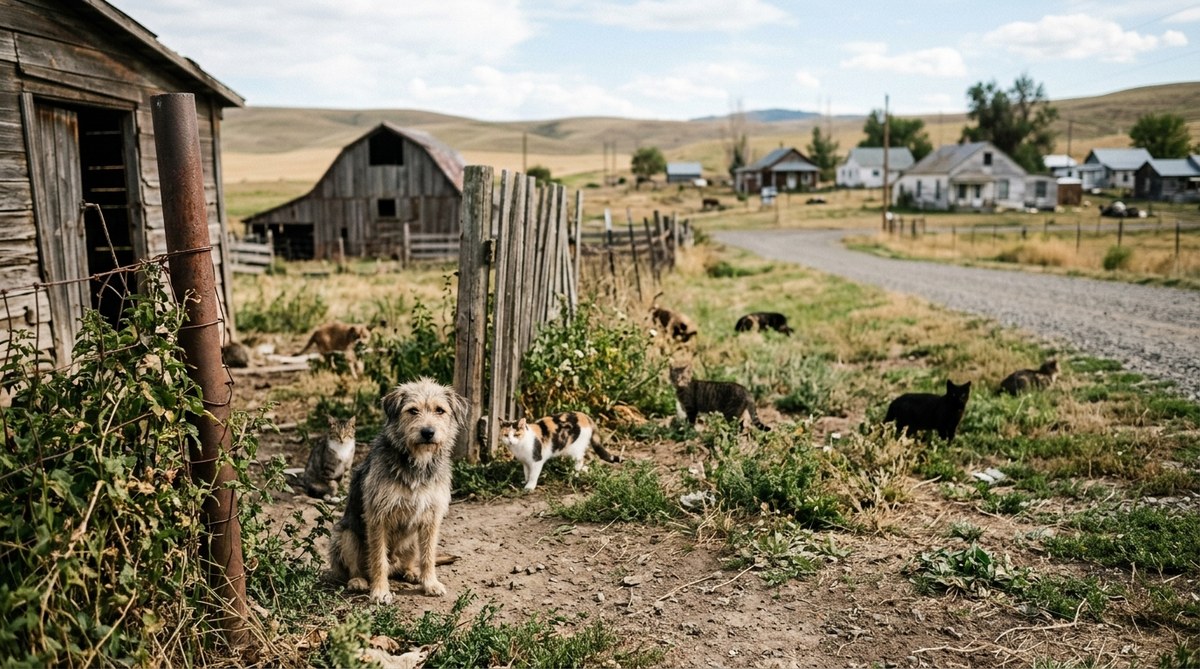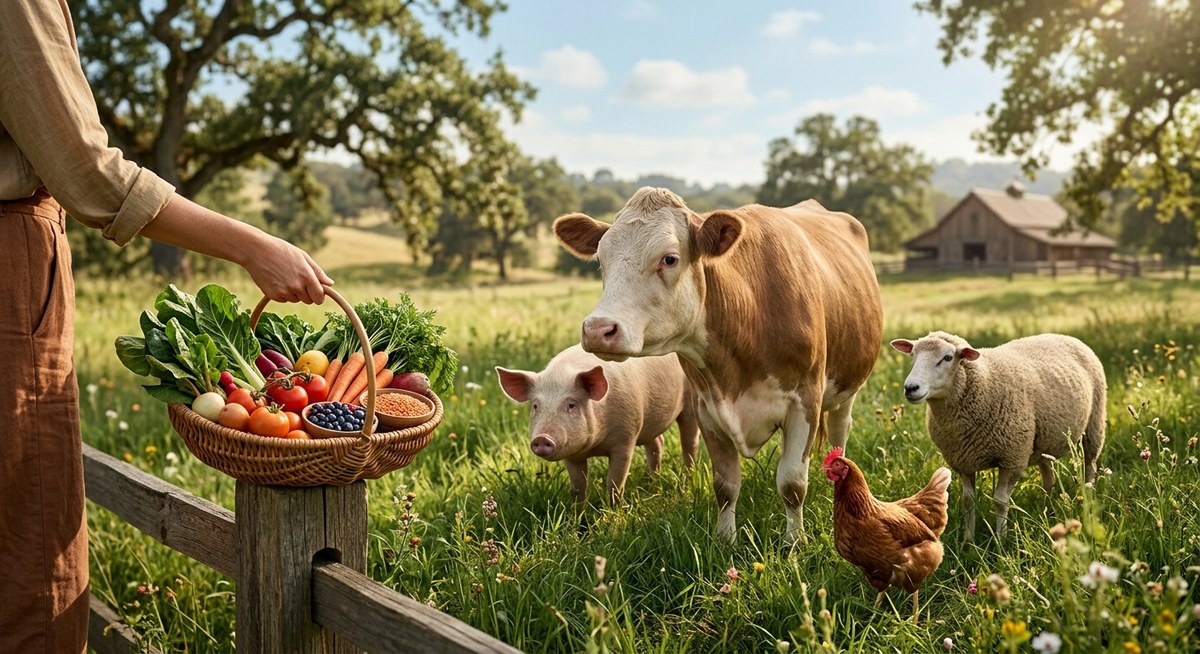
The air in your neighborhood might smell clean. The creek behind the school might look clear. But if there is a large animal feeding operation within a few miles of where you live, the health of your local ecosystem is likely under pressure in ways you cannot see. Factory farming, also known as concentrated animal feeding operations (CAFOs), does not just affect the animals inside those barns. It reaches into your groundwater, your soil, your local wildlife, and even the air your kids breathe during soccer practice. And in 2026, with more operations expanding into rural and suburban edges, the impact is closer than many people realize.
Factory farming harms your local ecosystem through water contamination, air pollution, soil degradation, and biodiversity loss. These effects reach beyond the farm itself, impacting community health and native wildlife. Understanding these hidden consequences is the first step toward protecting your neighborhood and advocating for stronger environmental regulations.
The Invisible Plume in Your Watershed
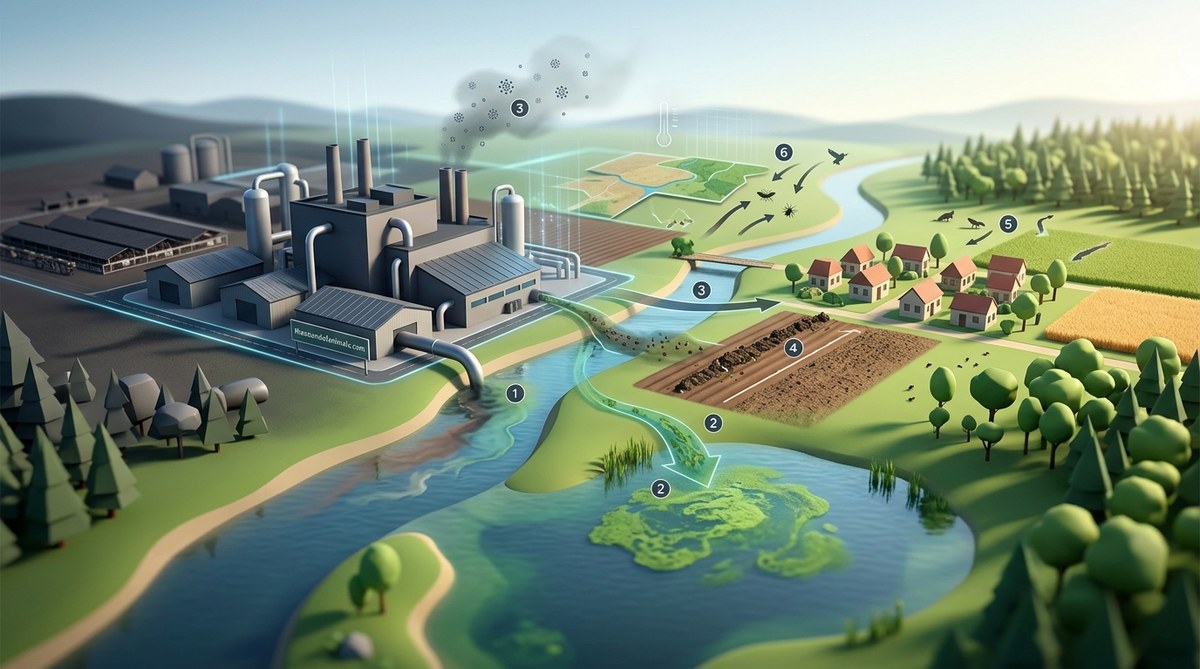
When rain falls on a factory farm, it does not just soak into the ground. It mixes with manure, antibiotics, hormones, and heavy metals. This toxic soup then runs off into nearby streams, rivers, and groundwater. A single large CAFO can produce more waste than a small city. Unlike human sewage, that waste often receives minimal treatment before being spread onto fields as fertilizer.
The problem is that crops cannot absorb all those nutrients at once. Nitrogen and phosphorus build up in the soil. When it rains again, they wash into local waterways. This process, called nutrient pollution, triggers algae blooms. Those blooms suck oxygen out of the water, creating dead zones where fish and amphibians cannot survive.
A 2025 study from the Environmental Working Group found that over 70% of water samples taken near CAFOs in the Midwest contained nitrate levels above the federal safety limit. High nitrates in drinking water are linked to a condition called blue baby syndrome in infants and have been associated with thyroid problems and certain cancers in adults.
What Happens to Local Wildlife
Factory farms do not just pollute water. They physically reshape the landscape. Natural habitats are cleared to make room for feed crops like corn and soy. Native grasslands and forests are replaced with monoculture fields. This destroys the homes of birds, pollinators, and small mammals.
The effects ripple through the food chain. When insects disappear because of pesticide use on feed crops, the birds that eat them vanish too. When water sources become toxic, amphibian populations crash. And when predators like foxes or hawks eat rodents that live near manure lagoons, they ingest a cocktail of chemicals that can harm their reproduction and survival.
One surprising example involves monarch butterflies. The milkweed they depend on is often sprayed with herbicides on land used to grow animal feed. Monarch populations have declined by more than 80% in the last two decades, and habitat loss from industrial agriculture is a major driver.
Air Quality and Your Lungs
You might think pollution from factory farming stays on the farm. It does not. Ammonia gas from decomposing manure can travel dozens of miles. So can hydrogen sulfide and particulate matter. These pollutants have been linked to respiratory problems, headaches, and nausea in people who live nearby.
Children are especially vulnerable. Their lungs are still developing, and they breathe more air per pound of body weight than adults. Schools located within three miles of a CAFO often report higher rates of asthma and respiratory infections. A study published in 2024 found that asthma rates among children living near large hog farms were 30% higher than in similar communities without CAFOs.
Soil Health and the Hidden Cost of Cheap Meat
Healthy soil is alive. It contains billions of microorganisms, fungi, and earthworms that cycle nutrients and hold carbon. Factory farming degrades soil in two ways. First, the massive amounts of manure applied to fields overload the soil with nutrients, killing beneficial organisms. Second, the constant monocropping of feed grains strips the soil of organic matter.
Over time, the soil becomes compacted and less able to absorb water. This leads to more runoff and erosion. The topsoil that took centuries to form washes away in a few heavy rains. And because the soil cannot hold as much carbon, it releases carbon dioxide into the atmosphere instead of storing it.
Regenerative agriculture offers a different path. Farms that rotate crops, use cover crops, and integrate animals on pasture can actually build soil health. But these practices are rare in the factory farm model.
The Antibiotic Resistance Crisis in Your Backyard
Factory farms feed low doses of antibiotics to healthy animals to promote growth and prevent disease in crowded conditions. This practice creates the perfect breeding ground for antibiotic-resistant bacteria. These superbugs do not stay on the farm. They travel through dust, water, and meat.
A 2026 report from the Centers for Disease Control and Prevention found that antibiotic-resistant infections are now responsible for more than 35,000 deaths in the United States each year. A significant portion of those resistant bacteria originate in livestock operations. When you swim in a local lake or drink from a well near a CAFO, you could be exposed to bacteria that no longer respond to standard treatments.
How Factory Farms Affect Local Biodiversity
Biodiversity is the web of life that keeps ecosystems stable. Factory farming unravels that web in several ways.
- Native pollinators like bees and butterflies lose their food sources when wildflowers are replaced with feed crops.
- Predators that hunt near farms are poisoned by rodenticides or shot by farmers protecting livestock.
- Migratory birds lose stopover habitats when wetlands are drained for feed production.
- Fish populations decline when manure runoff creates oxygen-depleted dead zones in rivers and lakes.
- Beneficial insects that control pests naturally are killed by broad-spectrum pesticides.
The loss of biodiversity makes ecosystems less resilient. A diverse ecosystem can bounce back from drought or disease. A simplified one cannot.
Practical Steps You Can Take to Protect Your Local Ecosystem
You do not have to feel helpless. There are concrete actions you can take to reduce the impact of factory farming on your community.
-
Test your well water. If you live near a CAFO, get your well tested for nitrates, bacteria, and heavy metals at least once a year. Many county health departments offer low-cost testing.
-
Support local farmers who use regenerative practices. Farmers markets and community supported agriculture (CSA) programs connect you with producers who build soil health instead of degrading it.
-
Advocate for stronger local regulations. Attend town hall meetings and zoning board hearings. Push for setback requirements that keep CAFOs away from schools, homes, and waterways.
-
Reduce your consumption of factory-farmed meat. Even one or two plant-based meals per week can reduce demand. When you do buy meat, look for labels like “pasture-raised” or “Certified Humane.”
-
Join or donate to local environmental groups. Organizations like the Sierra Club, Riverkeeper, and local watershed alliances often work on CAFO issues.
-
Plant native species in your yard. Native plants support local pollinators and birds. They also require less water and fertilizer than lawns or exotic ornamentals.
-
Report suspected violations. If you see manure runoff, smell strong odors consistently, or notice dead fish in a nearby stream, report it to your state environmental agency.
What to Look for When Choosing Meat and Dairy
Not all animal products are created equal. The table below shows what different labels actually mean for the environment and animal welfare.
| Label | What It Means | Ecosystem Impact |
|---|---|---|
| Pasture-raised | Animals spend most of their lives outdoors on pasture | Low. Manure is distributed naturally, building soil. |
| Grass-fed | Animals eat grass instead of grain, but may still be confined | Moderate. Better than feedlot, but confinement can still cause pollution. |
| Organic | No antibiotics or synthetic hormones, but can still be confined | Moderate. Reduces chemical pollution but not waste volume. |
| Natural | Only means no artificial ingredients. No standard for farming method | High. Often just a marketing term. |
| No added hormones | Federally required for pork and poultry. Tells you nothing | High. Meaningless for most meat. |
| Conventional | No special standards. Likely from a CAFO | Very high. Full environmental impact. |
The Connection to Climate Change
Factory farming contributes to climate change in three major ways. First, manure lagoons release methane, a greenhouse gas 28 times more potent than carbon dioxide. Second, the feed crops require massive amounts of fossil fuel for fertilizer, planting, and harvest. Third, deforestation for feed production destroys forests that absorb carbon.
Climate change then amplifies the ecosystem damage. Warmer temperatures increase the frequency of harmful algae blooms. Heavier rains cause more manure runoff. Droughts concentrate pollutants in shrinking water bodies. It is a feedback loop that makes every problem worse.
What You Can Do This Week
You do not need to overhaul your entire life to make a difference. Start small.
- Swap one meat meal for a plant-based option this week.
- Call your county commissioner and ask about CAFO regulations.
- Plant a milkweed patch for monarch butterflies.
- Share this article with a neighbor who cares about the local creek.
- Volunteer with a local watershed cleanup group.
For more ideas on how to take action, check out our guide on how to advocate effectively for animal rights in your community. You can also learn 10 creative ways to raise awareness for animal welfare in your community.
“The most dangerous thing about factory farming is that most people do not know it is happening in their backyard. Once you see the connection between the chicken house down the road and the algae in your local lake, you cannot unsee it.” – Dr. Sarah Taber, agricultural scientist and former farm worker
Your Local Ecosystem Deserves Better
The health of your neighborhood, your water, and your wildlife is worth protecting. Factory farming may seem like a distant issue, but its effects are local, personal, and measurable. By understanding how these operations impact your ecosystem, you become a more effective advocate for change. Start with one small action today. Your local creek, your soil, and the birds in your backyard will thank you.