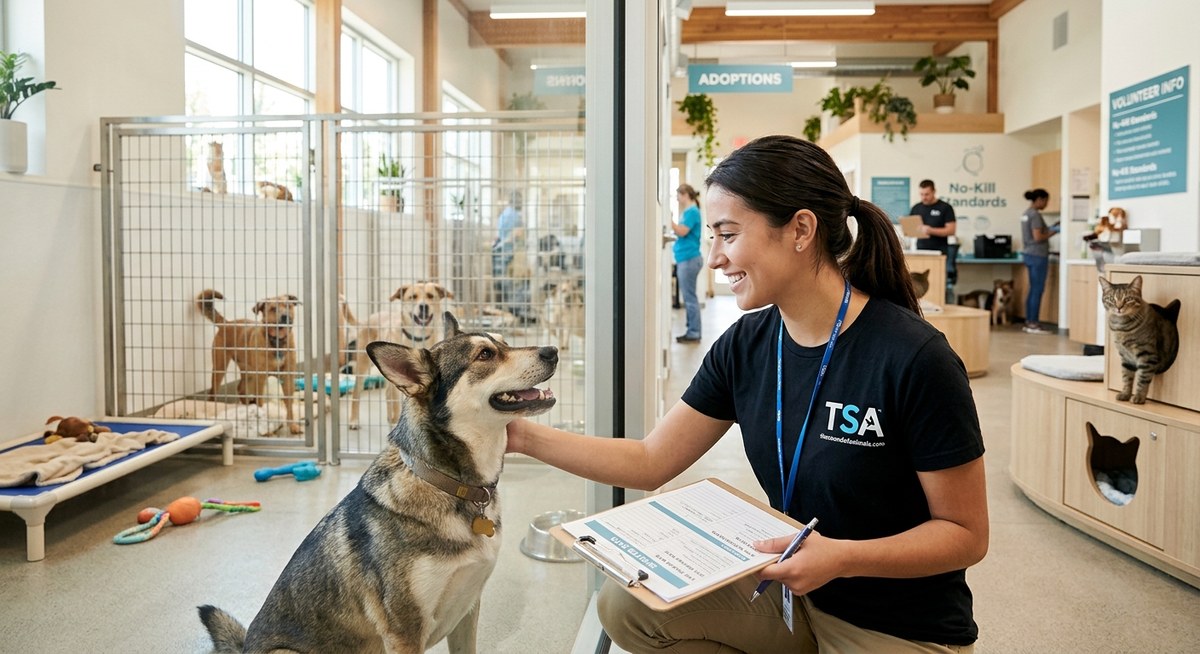
You care deeply about animals. You want to help local shelters save lives, but your schedule is packed, your health limits in-person visits, or you live too far away. It can feel frustrating to want to pitch in and not know how. The good news is that shelters need far more than just hands-on volunteers. In 2026, with so many options for remote and creative support, you can have a huge impact without ever stepping through the shelter door. Let us walk through some of the most powerful ways to support animal rescue from wherever you are.
You do not have to volunteer in person to make a real difference for shelter animals. Remote fostering, strategic donations, virtual advocacy, skill-based volunteering, and conscious shopping all provide critical support. By choosing even one of these approaches, you directly help pets find homes, stay healthy, and get the care they deserve. Your time, money, and voice matter from anywhere.
Fostering: A Lifeline from Your Living Room
One of the most direct ways to help without stepping into a shelter is to open your home as a foster parent. Many shelters cannot keep up with the number of animals they receive. Foster homes provide temporary care, which reduces overcrowding and gives frightened pets a calm environment to decompress.
You might think fostering requires a huge commitment. In reality, fosters can last anywhere from a few days to a few weeks. Some organizations even offer short-term “sleepover” programs where you take a pet for a weekend to give them a break from kennel stress.
- You provide food and basic supplies (or the shelter covers them).
- You transport the animal to vet appointments and adoption events.
- You share updates and photos to help the pet get adopted.
If you want to dip your toes in first, many shelters allow you to foster for a specific holiday or emergency. For example, during July 4th fireworks season in 2026, shelters often need temporary fosters to relieve anxious dogs. That is a low-pressure way to start. If you are truly unable to foster due to living situation or allergies, consider donating to a foster program instead. Your money can buy bedding, crates, and medical care for foster animals.
Want to learn how to start a neighborhood effort? Read our guide on https://thesoundofanimals.com/how-to-start-a-neighborhood-pet-food-drive-for-shelters-in-need/ to pair fostering with a food drive.
Smart Donations That Go the Distance
Donating money is the most obvious way to help, but not all donations are equal. Shelters appreciate cash because they can use it where it is needed most. In 2026, many shelters have updated their wish lists with specific needs.
Here is a breakdown of donation strategies to maximize your impact:
| Donation Type | Best For | What to Avoid |
|---|---|---|
| Monthly recurring gift | Stable funding for operations | One-time small gifts (still helpful but less predictable) |
| Purchasing from an Amazon wish list | Ensuring exactly what is needed | Donating opened bags of food (some shelters cannot accept) |
| Stock or planned gifts | Long-term shelter growth | Cash without a note (unsure of preference for use) |
| Gift cards to pet stores | Flexible supply purchasing | Random items not on the shelter list |
“The single best thing someone can do from home is set up a $10 monthly donation,” says Maria Torres, director of operations at a midwest animal rescue. “A consistent stream lets us plan spay/neuter clinics and emergency vet visits without scrambling.”
If you prefer to donate supplies, check the shelter’s website first. Many post an updated wish list for 2026. Also consider contributing to specific funds like a medical emergency fund or a senior pet adoption fund. That directs your money exactly where it does the most good.
Use Your Professional Skills Remotely
Shelters run on more than cleaning kennels and walking dogs. They need people who can design flyers, manage social media, write grant proposals, fix websites, and crunch numbers. If you have a skill you use at work, chances are a rescue could use it from afar.
Here are a few in-demand remote tasks:
- Graphic design: Create adoption posters and social media graphics.
- Photography: Edit photos of adoptable pets that the shelter uploads.
- Writing: Draft success stories, newsletters, or grant applications.
- Bookkeeping: Help with financial records and tax filings.
- IT support: Troubleshoot their website or database.
You do not need a fancy portfolio. Shelters are usually thrilled for any help. Send an email offering your specific skill and ask what they need most. Many will set up a remote volunteer role that fits your schedule.
For example, you could spend one hour a week editing pet photos. Those photos get posted online, catch adopters’ eyes, and help animals find homes faster. That is a huge win without leaving your desk.
Curious about other creative ways to make a difference? Check out https://thesoundofanimals.com/10-innovative-ways-to-promote-compassion-and-ethical-treatment-for-animals/ for more ideas.
Be an Advocate from Your Couch
You do not need to stand at a street corner with a sign to advocate. The loudest voices for animals often come from home. Social media algorithms in 2026 favor shares and engagement, so your likes and shares directly spread shelter reach.
Here are simple advocacy actions that take under five minutes:
- Follow your local shelter on Instagram, Facebook, and TikTok.
- Share adoption posts to your stories.
- Leave a positive Google review for the shelter.
- Tag friends in cute pet videos – it may lead to an adoption.
- Sign up for shelter email alerts and forward them to friends.
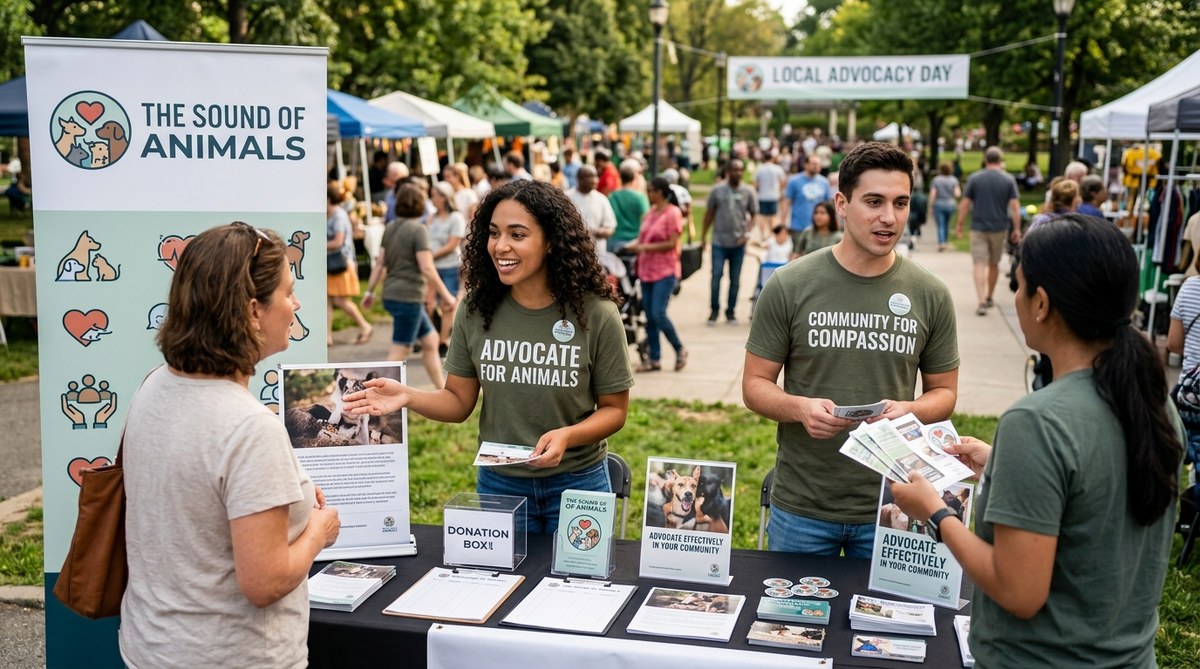
You can also advocate on a larger scale. Write or call your local representatives about animal welfare legislation. The 2026 midterm elections are approaching; many animal-related bills are being debated. A short email or phone call from a constituent can influence a lawmaker’s vote.
If you want a step-by-step guide on effective advocacy, see
Shop with Purpose
Your everyday purchases can send money to shelters without costing you extra. Many online retailers have charity programs where a percentage of your purchase goes to the nonprofit you choose.
In 2026, the most popular options include:
- AmazonSmile (still active for many shelters).
- iGive: a browser extension that donates a portion of your shopping.
- Chewy’s “Chewy Gives Back” program.
- Local pet boutiques that donate a portion of sales to rescue groups.
Before buying pet supplies, check if the brand itself supports shelters. Some companies, like Petco and PetSmart, have foundations that donate millions to rescue organizations. By choosing those brands, you vote with your wallet.
Additionally, you can use cash-back apps (like Rakuten) and donate the cash back to a shelter. It takes two minutes to set up and can add up over a year.
Host a Virtual Fundraiser
You do not have to be a celebrity to raise money. In 2026, platforms like Facebook, GoFundMe, and TikTok Live make it easy to host a fundraiser for your birthday, a holiday, or even a challenge.
For example, you could say “Instead of gifts this year, please donate to the local animal shelter.” Share a link on your social media. Many people will give. Even if only ten friends donate $10 each, that is $100 for a shelter.
You can also do a livestream event. Play video games, read poems, or do a craft while encouraging viewers to donate. Shelters love these because they bring in new supporters. Make sure to tag the shelter so they can share your fundraiser.
If you want to combine fundraising with a pet food drive, read our guide on https://thesoundofanimals.com/how-to-start-a-neighborhood-pet-food-drive-for-shelters-in-need/ for a complete strategy.
Avoid These Common Mistakes
Even with good intentions, some efforts can fall flat. Here is a short list of what to avoid when trying to help shelters from home:
- Donating old, expired pet food or medication.
- Calling the shelter during peak hours for casual chats.
- Sending unsolicited advice without knowing their protocols.
- Starting a fundraiser without asking the shelter first (they may have rules).
- Sharing outdated adoption information (always check the date).
By keeping these pitfalls in mind, you ensure your help is welcome and effective.
Your Role in the Bigger Picture
Every animal that enters a shelter has a story. Your support, from fostering to donating to spreading the word, writes the next chapter. In 2026, shelters continue to face overcrowding, rising veterinary costs, and staffing shortages. The gap between the help they need and the help they get is real. But you can close that gap without ever tying your shoes to go volunteer.
Start with one action this week. Maybe it is signing up for a $10 monthly donation. Maybe it is sharing an adoptable pet’s photo. Maybe it is writing a grant for a rescue in your area. Each small step sends a message that you care. And that message travels far beyond your front door.
For more inspiration, see our collection of https://thesoundofanimals.com/top-10-simple-ways-to-support-animal-rescue-efforts-from-home/ and find the method that fits your life best.