You love your pet. You feed them quality food, take them for regular vet checkups, and make sure they have a cozy spot on the couch. But there is one thing many owners put off that could make the difference between a happy reunion and a permanent loss: microchipping.
A tiny implant, about the size of a grain of rice, sits just beneath your pet’s skin. It holds no battery. It does not track their location using GPS. What it does is store a unique identification number that links back to your contact information in a national database. When a shelter or veterinary clinic scans that chip, they know exactly who to call. That simple act has brought countless dogs and cats back home after they slipped through a gate, bolted during a thunderstorm, or wandered off during a holiday barbecue.
Microchipping is the most reliable way to ensure your pet can be identified if they get lost. Unlike collars or tags that can fall off, a microchip is permanent, painless to insert, and lasts your pet’s entire lifetime. It works for dogs, cats, rabbits, and even horses. Registering the chip with your current phone number and address is just as important as the implant itself.
How a Microchip Actually Works
Let’s clear up a common misunderstanding. A pet microchip is not a tracking device. You cannot open an app on your phone and see where your cat is hiding. Instead, it uses radio-frequency identification (RFID) technology.
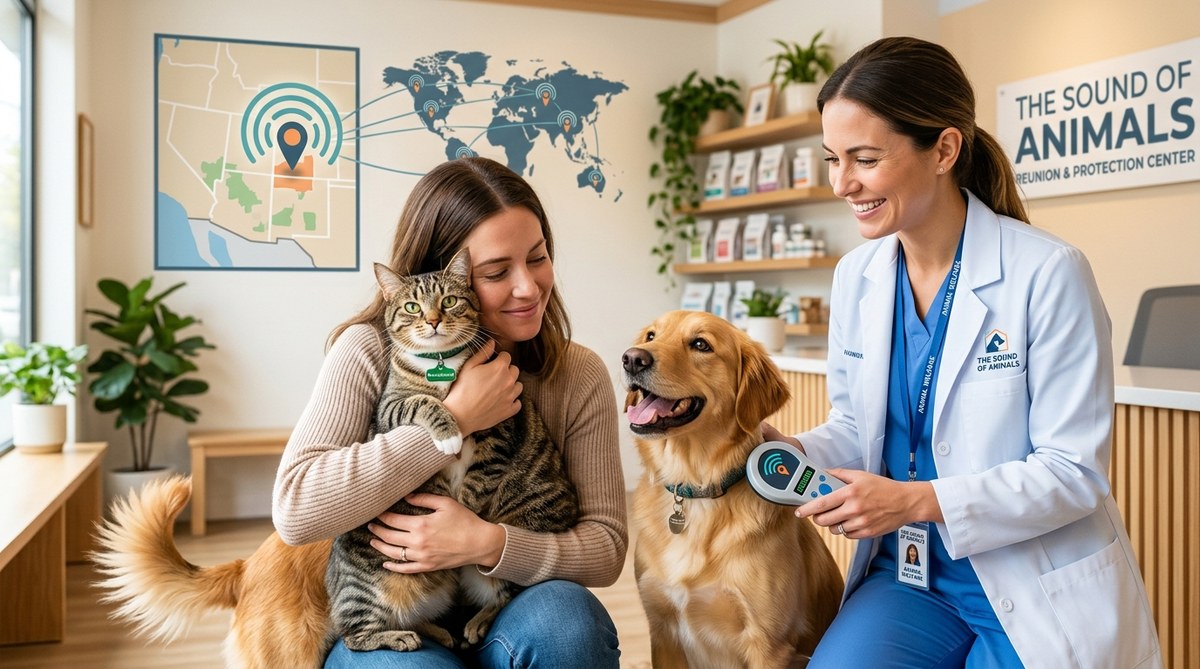
When a shelter worker or veterinarian passes a handheld scanner over the area where the chip was implanted (usually between the shoulder blades), the scanner sends out a low-frequency radio wave. That wave activates the chip, which then transmits its unique ID number back to the scanner. The staff member enters that number into a database, finds your contact details, and calls you.
The whole process takes about ten seconds.
What the chip does and does not do
- Stores a 15-digit alphanumeric code
- Lasts the lifetime of your pet (no battery to replace)
- Requires no maintenance after implantation
- Cannot be removed by your pet or fall off like a collar tag
- Works for any breed, age, or species
- Is protected by a biocompatible glass capsule that prevents rejection
The Real Cost of Not Microchipping
The American Society for the Prevention of Cruelty to Animals reports that only about one in five lost cats without a microchip ever makes it back home. For dogs, the numbers are better but still sobering. Many pets end up in shelters where staff have no way to trace their owner.
Consider the financial side too. A microchip procedure at most veterinary clinics costs between $25 and $60. Compare that to the cost of boarding your pet at a shelter, printing lost pet flyers, offering a reward, or paying a pet detective service. The math is simple. Prevention costs less than the cure.
“I have scanned thousands of stray animals in my career. The ones with chips go home within hours. The ones without chips often stay for weeks or months. A microchip is the single most effective tool we have for reuniting families.” — Dr. Sarah Kendrick, DVM, Animal Welfare League of America
A Step-by-Step Guide to Getting Your Pet Microchipped
If you are ready to protect your pet, the process is straightforward. Here is exactly what to expect.
-
Schedule an appointment with your veterinarian or a local shelter clinic. Many animal rescues offer low-cost microchipping events. Check with your local humane society for upcoming dates in your area.
-
The vet will scan a pre-loaded sterile syringe. The chip is already inside the needle. They will confirm the ID number matches the registration paperwork before they begin.
-
Your pet receives the implant between their shoulder blades. The needle is about the same gauge as a routine vaccination. Most pets barely flinch. No anesthesia is needed.
-
Register the chip immediately. This is the step people forget. The chip is useless if your contact information is not in the database. Use the registration card that comes with the chip, or visit the manufacturer’s website to enter your details online.
-
Keep your registration updated. If you move, change your phone number, or update your email address, log in to the database and make the change. Many reunions fail because the owner’s number is disconnected.
Common Mistakes Owners Make With Microchips
Even well-meaning pet owners can slip up. Here are the most frequent errors and how to avoid them.
| Mistake | Why It Happens | How to Fix It |
|---|---|---|
| Chip is never registered | Owner assumes the vet did it | Register the chip yourself before leaving the clinic |
| Contact info is outdated | Owner moved or changed numbers | Set a calendar reminder to update info every January 1st |
| Chip migrates under the skin | Implanted incorrectly or pet is very active | Have the vet scan the chip at annual checkups to confirm location |
| Owner forgets which brand | Multiple brands exist (HomeAgain, AKC Reunite, etc.) | Keep the registration card in your pet’s medical file |
| Shelter uses a different scanner | Not all scanners read all chips | Choose a universal chip brand like ISO standard 11784/11785 |
Why a Collar Tag Is Not Enough
Many people assume a collar with a phone number tag provides the same protection. It does not. Collars can break, snag on branches, or be removed by another person. A cat that escapes through a broken window screen might lose its collar before it reaches the next yard.
A microchip stays put. It is inside your pet, not on them. No amount of wiggling, scratching, or rolling in the mud will dislodge it.
When microchips save the day
Think about the times a pet is most likely to run off. July 4th fireworks send hundreds of pets fleeing from backyards every year. A moving truck with an open door is an invitation for a curious cat. Even a well-trained dog can bolt after a squirrel during a walk. In all these scenarios, a microchip is the backup plan that works when everything else fails.
If you want to go further in protecting animals beyond your own household, consider learning how to advocate effectively for animal rights in your community. Advocacy starts with responsible ownership.
The Procedure: Painless and Safe
Veterinarians perform microchip implants every single day. The needle is pre-sterilized and single-use. The chip itself is encased in a biocompatible glass that will not cause an allergic reaction or infection in healthy animals.
Most pets show no reaction beyond a brief pinch. Afterward, they go about their day as if nothing happened. There is no recovery period, no bandage needed, and no activity restrictions.
Which pets can be microchipped?
- Dogs of any size and age
- Cats (indoor and outdoor)
- Rabbits
- Ferrets
- Horses
- Birds (with specialized chips)
How to Check if Your Pet Already Has a Chip
If you adopted your pet from a shelter or rescue, they might already have a microchip. Many organizations implant chips before adoption. Ask your vet to scan your pet during their next visit. If a chip is found, the scanner will display the ID number. You can then look up the database to see if the registration points to you or to the shelter.
If the chip is still registered to the shelter, call them and ask to transfer the registration to your name. This takes five minutes and ensures you are the contact on file.
For more ways to keep your pet safe and engaged at home, check out our guide on essential tips for keeping your pets healthy and happy.
What to Do If You Find a Lost Pet
Finding a stray animal can be stressful. You want to help, but you may not know where to start. If the animal is wearing a collar with tags, call the number. If not, take them to a local veterinary clinic or animal shelter to be scanned for a microchip. Most clinics will do this for free, even if you are not a client.
While you are there, ask the staff to check for tattoos or ear tags that might indicate the pet is part of a research or breeding program. Every detail helps.
If you are interested in supporting animal welfare on a broader scale, read about the top 5 ways to support animal welfare through volunteer initiatives.
Making Microchipping a Standard Part of Pet Care
Vaccinations, flea prevention, and annual checkups are already part of responsible pet ownership. Microchipping deserves a spot on that list. It is one of the few things you can do that works silently in the background for years.
Some owners worry about privacy. Rest assured, the chip contains no personal data. It holds only a number. Your name, address, and phone number live in a secure database that only authorized shelters, rescues, and veterinary clinics can access. No one can track your pet’s movements or location using the chip.
The One Thing You Should Do Right Now
If you have read this far and your pet is not yet microchipped, call your vet tomorrow. If your pet already has a chip but you cannot remember the last time you updated the registration, log in to the database tonight. Check that your phone number is current and that your emergency contact information is listed.
That five-minute task could be the reason your pet sleeps in their own bed tonight instead of a kennel at the shelter.