Supporting animal welfare is more than just a heartfelt desire. It’s about taking tangible actions that improve the lives of animals and foster compassionate communities. Volunteer initiatives play a crucial role in creating safe, nurturing environments for animals in shelters, on farms, and in the wild. Whether you’re new to volunteering or looking for new ways to get involved, understanding how to support animal welfare through volunteer efforts can truly transform lives — for animals and humans alike.
[Supporting animal welfare through volunteer initiatives](https://en.wikipedia.org/wiki/Animal_welfare) involves hands-on care, advocacy, donations, and community involvement. Practical steps include adopting or fostering pets, volunteering at shelters, and spreading awareness. These actions create lasting change and foster compassionate communities dedicated to protecting animals.
How to Make a Real Impact Supporting Animal Welfare Volunteer Initiatives
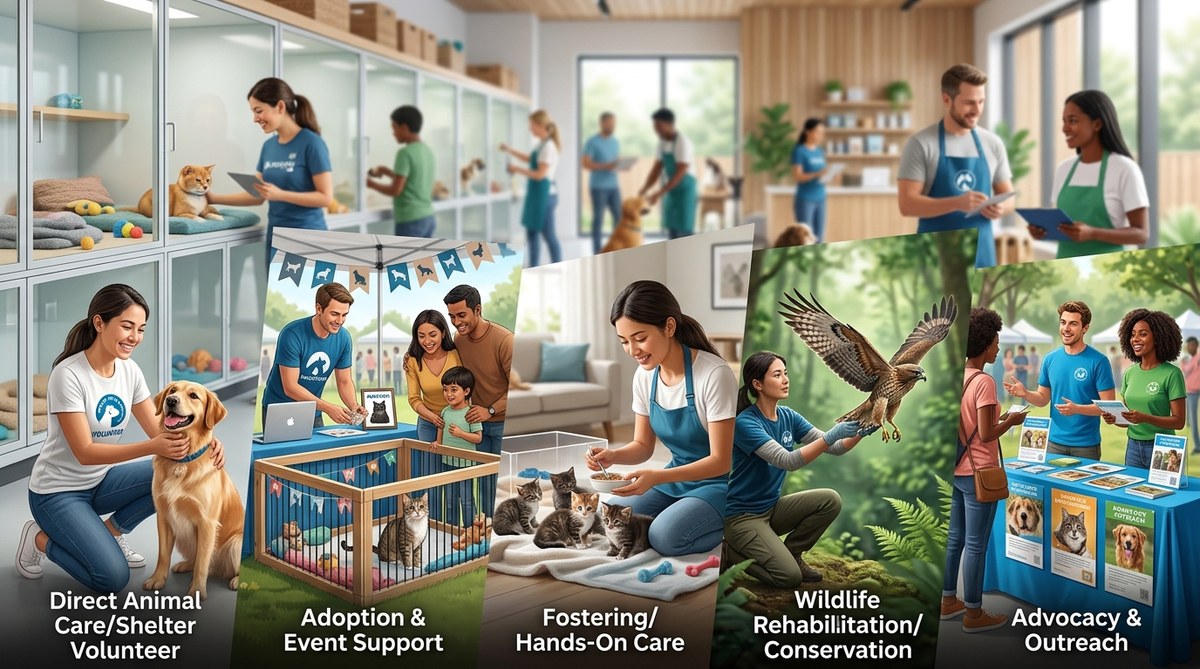
Getting involved in animal welfare volunteer work can feel overwhelming at first. However, small, consistent efforts can lead to significant change. Here are five practical ways you can support animal welfare initiatives and ensure your efforts truly make a difference.
1. Offer Hands-On Care at Shelters and Rescue Organizations
One of the most direct ways to support animals is by volunteering your time at local shelters or rescue groups. This can include feeding, cleaning, walking dogs, socializing cats, or assisting with medical care. Your presence provides comfort and reduces stress for animals awaiting their forever homes.
- Why it matters: Animals thrive with individual attention and socialization, which increases their chances of adoption.
- Getting started: Reach out to nearby shelters or rescue groups. Many organizations have volunteer programs that welcome new helpers.
2. Foster Animals to Expand Shelter Capacity
Fostering animals is a flexible way to support animal welfare. It involves caring for animals in your home temporarily until they find permanent homes. Fosters help reduce shelter overcrowding and provide animals with a more comfortable environment.
- How to begin: Contact local shelters or rescue organizations that need foster homes. They often provide supplies and support to foster families.
- Benefits: Fostering allows you to see firsthand what it takes to care for animals and helps match pets with suitable adopters.
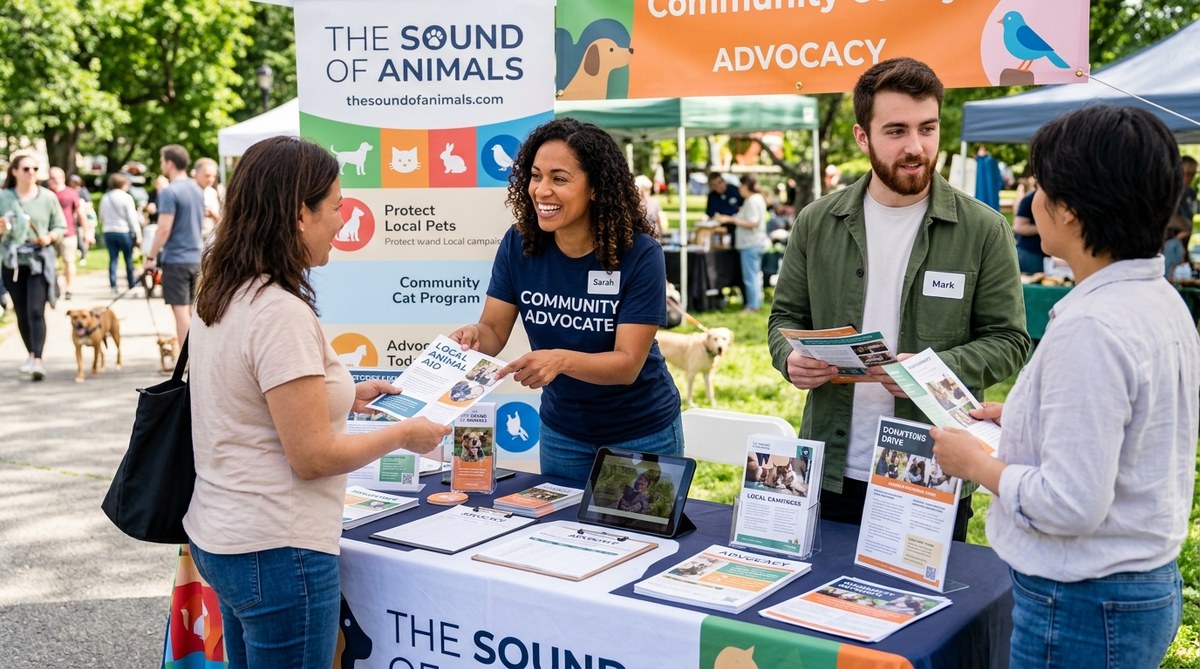
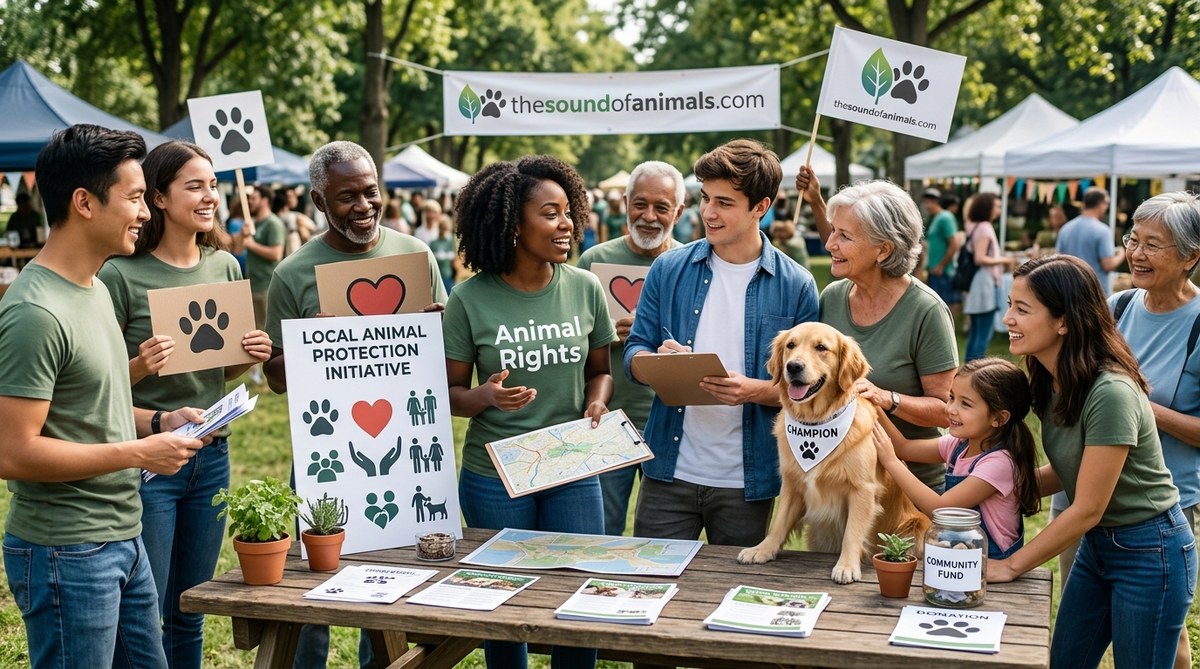
3. Advocate for Animals in Your Community and Online
Creating awareness is a powerful tool in supporting animal welfare. Share stories, facts, and resources to educate others about responsible pet ownership, wildlife conservation, and cruelty prevention.
- Offline tactics: Host community events, distribute flyers, or speak at local schools and clubs.
- Online efforts: Use your social media platforms to highlight rescue stories, promote local events, and challenge harmful practices.
“Advocacy helps shift community attitudes toward kindness and responsibility, creating long-term change for animals,” says animal welfare expert Dr. Jane Doe.
4. Donate Supplies and Funds to Support Shelter Operations
Financial contributions and donations of supplies like pet food, bedding, toys, and cleaning products are invaluable. These resources ensure shelters can provide proper care and improve living conditions for animals.
- How to contribute: Identify reputable organizations in need through their websites. Many have wish lists or donation drives.
- Innovative ideas: Organize supply drives in your neighborhood or workplace to gather resources.
5. Participate in Community Events and Fundraisers
Joining or organizing fundraising events amplifies the support for local and national animal welfare efforts. Events like charity walks, adoption fairs, or online crowdfunding campaigns raise funds and awareness simultaneously.
- Getting involved: Volunteer to help plan or run events. Your energy can make a significant difference.
- Ideas for success: Collaborate with local businesses, schools, or clubs to expand reach and impact.
Practical Techniques for Effective Volunteer Support
Supporting animal welfare through volunteer work requires strategic planning and awareness of what works best. Here’s a quick comparison of techniques and common pitfalls:
| Technique | What to Do | Common Mistakes |
|---|---|---|
| Regular volunteering | Commit consistently to shelter or community programs | Overcommitting and burning out |
| Fostering pets | Provide temporary homes with love and patience | Lack of preparation or understanding of needs |
| Advocacy campaigns | Share factual information and success stories online | Spreading misinformation or negative messaging |
| Donations of supplies | Contribute items from shelters’ wish lists | Giving unsuitable or expired items |
| Organizing events | Plan engaging activities that draw community participation | Poor promotion or lack of coordination |
Techniques to Avoid When Supporting Animal Welfare
| Mistake | Why it’s harmful | Better approach |
|---|---|---|
| Ignoring shelter guidelines | Can lead to unsafe or unhelpful help | Always follow organization protocols |
| Overpromising your involvement | Leads to burnout and disappointment | Set realistic commitments |
| Neglecting education | Support without understanding can cause harm | Educate yourself and others about best practices |
| Giving unneeded supplies | Waste resources and clutter storage | Ask shelters what they need before donating |
| Focusing only on rescue efforts | Long-term community support is essential | Balance rescue work with advocacy and prevention |
Expert Advice for Lasting Support
“Sustainable support for animal welfare involves a mix of direct care, education, and community action,” emphasizes animal advocate Lisa Green. “Every effort, no matter how small, contributes to a kinder world for animals.”
Building a Community of Compassion
Supporting animal welfare through volunteer initiatives creates ripple effects. Your involvement can inspire friends, family, and neighbors to join in. Remember, success comes from consistent, heartfelt actions combined with strategic planning. Whether you’re walking dogs, advocating online, or organizing a fundraiser, your efforts are vital.
Getting involved is accessible and rewarding. Start with what resonates most with your skills and interests. Over time, your contributions can help transform shelters, influence policies, and raise awareness about animal needs.
Your Next Step Toward Animal Compassion
Supporting animal welfare through volunteer efforts is a fulfilling journey. It’s about making meaningful connections, fostering kindness, and creating communities that prioritize the well-being of all creatures. Find an organization near you, identify your strengths, and take that first step today. Each action, big or small, adds up to a brighter future for animals everywhere.