Starting efforts to champion animal rights within your community can feel overwhelming. Yet, real change begins when local people come together, share their passion, and take concrete steps. Building a movement that places animals at the heart of community life is not just a dream; it’s achievable with clear strategies, genuine collaboration, and persistent outreach. Every community has the potential to become a safer, kinder place for animals.
Empowering local communities for animal rights involves engaging residents, forming partnerships, educating others, and taking practical action. Success depends on clear steps, open communication, and persistent advocacy that inspires everyone to participate in creating lasting change for animals.
Why community involvement is key to animal rights success
Activism at the local level can be the most effective way to make a difference. When people see tangible improvements in their neighborhoods, they feel motivated to continue. Community-driven efforts foster ownership, which encourages long-term commitment. Plus, local actions often influence larger policies, creating ripple effects that benefit animals far beyond the initial efforts.
By empowering residents, community groups, and local organizations, you turn bystanders into advocates. You also build a culture that values kindness, respect, and responsibility for animals. This collective approach is essential because it addresses specific needs, leverages local knowledge, and creates sustainable change.
Practical steps to mobilize your community for animal rights
Taking action might seem daunting at first, but breaking it down into manageable steps makes everything easier. Here are the core actions to start empowering your community:
1. Educate and raise awareness
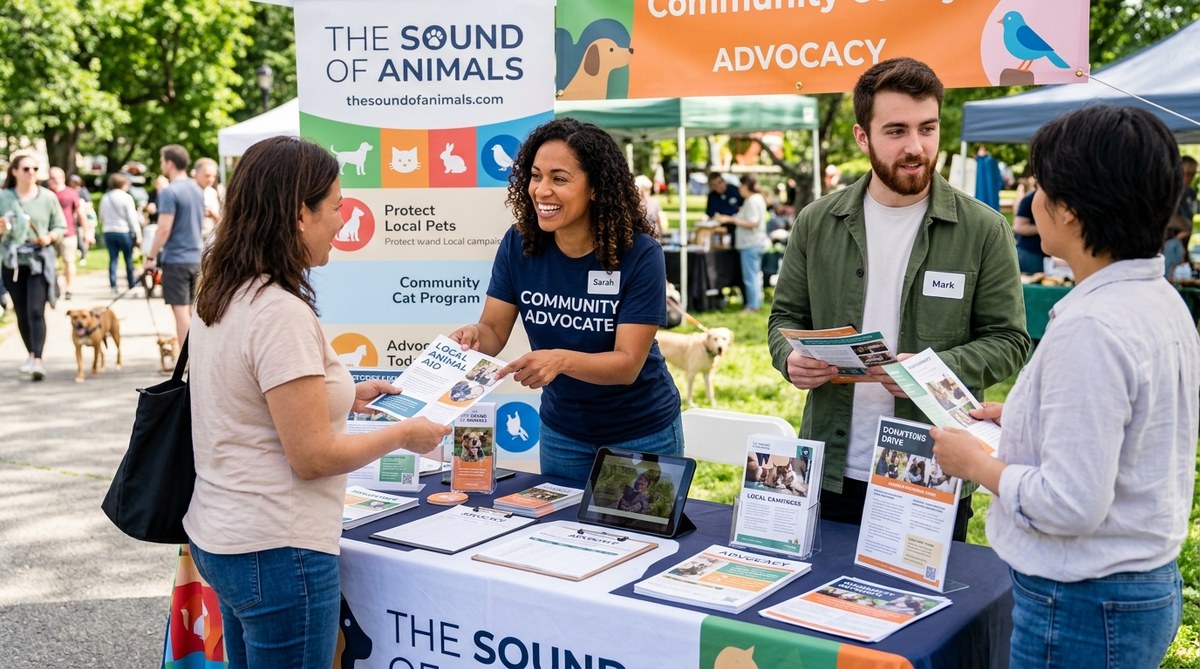
Knowledge is the foundation of change. Organize workshops, distribute flyers, or host social media campaigns that highlight pressing animal issues in your area. Use stories and images to make the cause relatable. Inform residents about local laws, resources, and how they can help.
2. Build partnerships with local organizations
Collaborate with shelters, rescue groups, veterinarians, schools, and businesses. These partnerships amplify your efforts and create a support network. For example, partner with a local vet clinic to host free or low-cost spay and neuter clinics. Or work with schools to incorporate animal welfare into their curriculum.
3. Foster community involvement through events
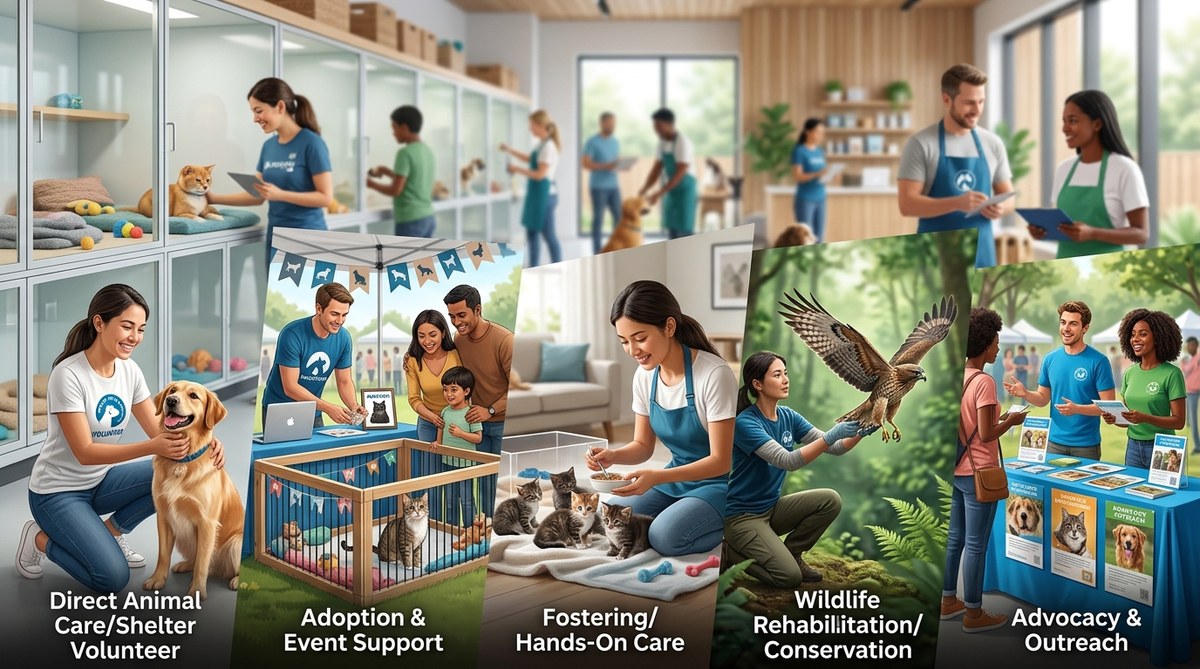
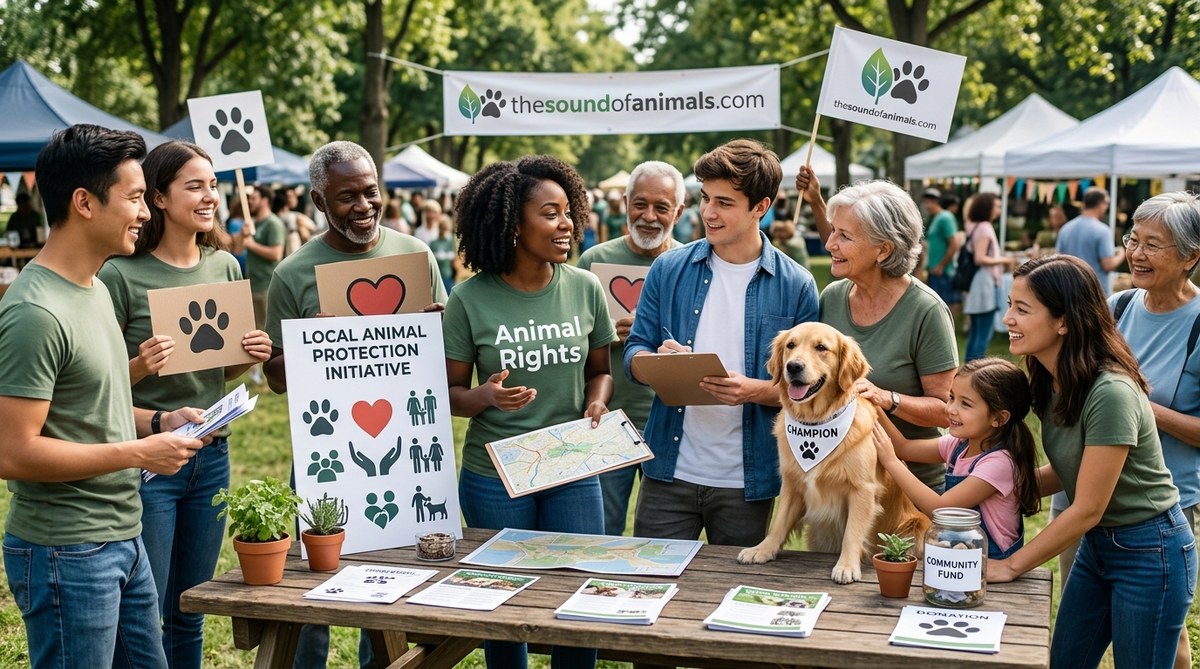
Create opportunities for residents to engage directly. Organize community cleanups for parks and streets where stray animals live. Host adoption fairs or pet wellness days. Encourage volunteers to assist with shelter activities or outreach programs. Events generate energy and attract new supporters.
4. Advocate for policy change locally
Work with city councils or local officials to enact animal-friendly policies. This could include banning inhumane practices, improving shelter standards, or creating protected outdoor spaces for animals. Use your community’s voice by collecting signatures, attending meetings, or writing letters.
5. Offer tangible ways for individuals to contribute
Make it easy for community members to help. Provide volunteer opportunities, donation options, or supplies needed by shelters. Share success stories to inspire ongoing engagement. When people see how their efforts make a difference, they are more likely to stay involved.
Techniques for effective community advocacy
Success depends on employing proven methods that resonate. Here are some techniques to help you rally support and create momentum:
- Use storytelling to personalize issues and evoke empathy.
- Organize “animal rights days” to focus attention on specific topics.
- Leverage social media to reach wider audiences quickly.
- Create petitions to demonstrate community support for policy changes.
- Form coalitions with diverse groups to broaden influence.
Common mistakes to avoid
| Technique | Mistake | Why it matters |
|---|---|---|
| Clear messaging | Vague or inconsistent communication | Confuses supporters and weakens your message |
| Collaboration | Working in isolation | Limits resources and community reach |
| Engagement | Overloading supporters with too many demands | Leads to burnout and disengagement |
| Follow-through | Making promises without action | Reduces trust and credibility |
“The most effective advocates are those who listen as much as they speak. Understanding your community’s unique needs allows you to craft initiatives that truly resonate.” — Animal rights expert
Fostering sustainable change in your neighborhood
Building a lasting movement requires patience and persistence. Keep your efforts consistent and celebrate small wins along the way. Engage new volunteers regularly and keep communication open. Remember that change takes time but is always possible when people unite around a shared goal.
You can also use community events as opportunities to educate and inspire. For instance, hosting a local “animal awareness week” during a holiday or seasonal change can create a focused rallying point. Additionally, tracking your progress helps keep volunteers motivated and demonstrates tangible impact.
How to sustain momentum and expand your reach
Once initial goals are met, look for ways to deepen your impact:
- Develop leadership within your community by training new advocates.
- Expand partnerships to include local businesses or faith groups.
- Use success stories to motivate others and attract media attention.
- Create ongoing campaigns that keep animal issues in public discourse.
- Consider setting up a community fund to support ongoing projects.
Tips for maintaining motivation
- Recognize and thank volunteers regularly.
- Share updates on how community efforts are improving animal lives.
- Set clear, achievable goals to keep everyone aligned.
- Remember that even small actions contribute to larger change.
Final thoughts: turning passion into action
Empowering local communities for animal rights is a powerful way to create meaningful, lasting change. It takes dedication, cooperation, and heartfelt commitment. Every community has the potential to become a beacon of compassion and respect for animals. By starting with education, building partnerships, engaging residents, and advocating for supportive policies, you set the stage for real progress.
Encourage others to join your efforts. Small steps taken consistently can turn into a community-wide movement. The animals in your neighborhood will thank you for it. Remember, change begins with you and the people around you. Together, you can make your community a better place for all living beings.
Keep the momentum going and make a difference
Now is the time to turn your passion for animals into action. Reach out to local groups, organize an event, or simply start a conversation. The more people get involved, the stronger your community becomes. Each effort adds up to a big impact. Stay persistent, share your successes, and keep inspiring others to join the cause. Your community’s kindness can transform lives—both human and animal alike.