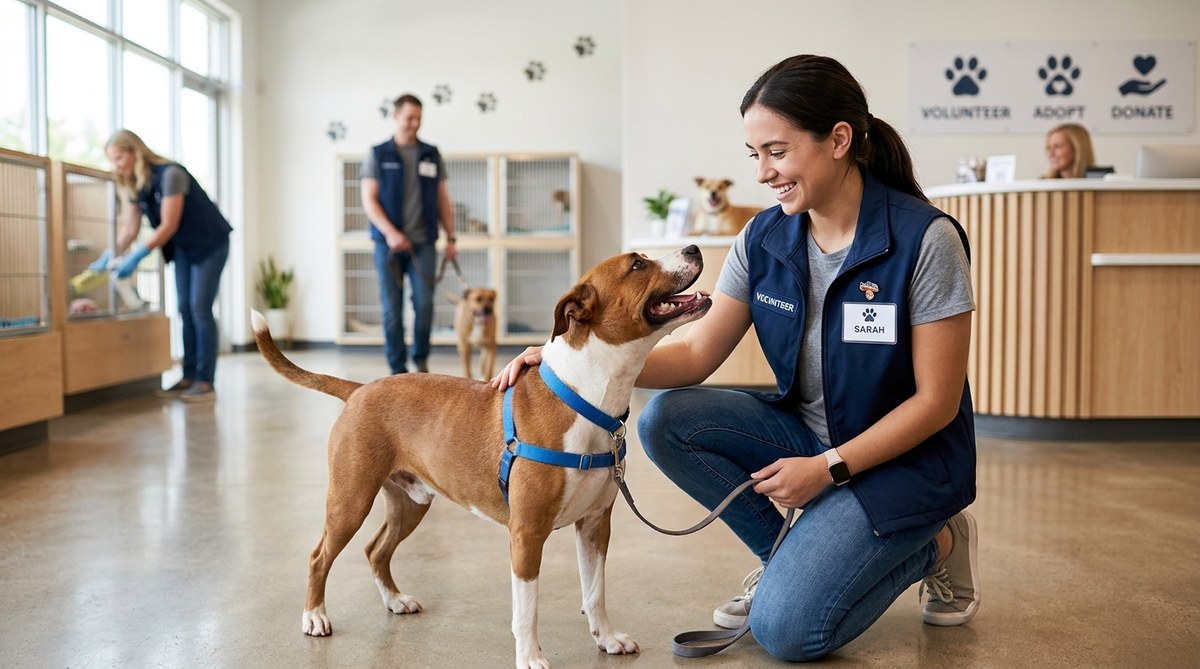
Volunteering at a local animal shelter can be a rewarding experience that allows you to make a real difference in animals’ lives. Whether you are an animal lover, a community member seeking meaningful ways to help, or someone considering a new path in volunteer work, understanding how to get started is key. Many shelters welcome new volunteers and provide opportunities to contribute your time and skills. This guide will walk you through the steps to become a volunteer and share tips to make your experience fulfilling and impactful.
Getting involved as a volunteer at local animal shelters is easier than you think. Start with research, understand the requirements, and commit your time to help animals. Your efforts support shelter operations and improve animal wellbeing, creating a positive impact in your community.
Understanding Why Volunteering Matters
Volunteering at an animal shelter offers more than just a way to spend free time. It directly impacts the lives of animals in need, providing care, socialization, and comfort. Volunteers help shelter staff manage daily tasks like feeding, cleaning, and exercising animals, which improves their health and happiness. Beyond the animals, volunteering fosters a sense of community, connects people to causes they care about, and develops personal skills such as responsibility, empathy, and teamwork.
Who Can Volunteer and What to Expect
Most shelters welcome volunteers from diverse backgrounds and age groups. Some may have specific age or health requirements, but many are flexible. Expect to attend an orientation session where staff will review policies, safety procedures, and the specific roles volunteers can assume.
Common volunteer activities include:
– Walking and exercising dogs
– Socializing cats and small animals
– Cleaning cages and common areas
– Assisting with adoption events
– Providing administrative support
– Helping with fundraising and outreach
How To Get Started: Step-by-Step Guide
Taking the first step might seem daunting, but breaking it into manageable parts makes it straightforward. Here are the key steps to begin your volunteering journey:
1. Research local animal shelters
Start by finding shelters in your area. Use search engines or community boards to identify reputable organizations. Many shelters have websites or social media pages that detail their volunteer programs. Visiting their online pages provides insight into their mission, needs, and requirements.
2. Review volunteer requirements
Each shelter has its own policies. Check age restrictions, commitment levels, and any prerequisites like background checks or training sessions. Some shelters need volunteers for specific roles or hours, so make sure their expectations align with your availability.
3. Attend an orientation or training session
Most shelters offer an orientation to familiarize newcomers with their procedures. This is a great opportunity to ask questions, learn safety protocols, and understand how your role fits into the shelter’s operations. Attending these sessions demonstrates your commitment and helps you feel confident in your responsibilities.
4. Complete any necessary paperwork
Be prepared to fill out volunteer application forms and, in some cases, provide references or consent for background checks. This process ensures a safe environment for everyone, including the animals.
5. Start volunteering
Once approved, you can begin participating in activities. Start with tasks that match your comfort level and gradually take on more responsibilities as you gain experience and confidence.
Tips to Make Your Volunteer Experience Count
- Be consistent: Regular visits help animals build trust and allow staff to rely on your support.
- Follow shelter policies: Respect rules about handling animals, cleaning procedures, and safety protocols.
- Ask for feedback: Seek advice from staff to improve your skills and help animals more effectively.
- Be patient and gentle: Animals may be shy or scared. Your calm demeanor helps them feel safe.
- Stay positive: Volunteering can sometimes be challenging, but your attitude makes a big difference.
Common Mistakes to Avoid When Volunteering
| Technique | Mistake |
|---|---|
| Not attending required training | Ignoring orientation sessions can lead to misunderstandings or safety issues. |
| Overcommitting | Taking on too many hours or tasks may lead to burnout and reduce your effectiveness. |
| Ignoring shelter policies | Disregarding rules can compromise safety and animal wellbeing. |
| Not asking questions | Assuming roles or procedures without clarification can cause confusion. |
| Forgetting to wash hands or sanitize | Overlooking hygiene affects both animals and humans. |
Expert Advice for New Volunteers
“Remember, patience and consistency are key. Animals in shelters often have a history of trauma or neglect, so your gentle approach helps them heal. Don’t hesitate to ask staff for guidance. They are there to support you and ensure your experience is both meaningful and safe.”
How to Make Your Volunteer Role More Rewarding
- Build relationships: Spend time bonding with animals and fellow volunteers.
- Learn about animal behavior: Understanding pet cues helps you interact better.
- Participate in special events: Adoption fairs or awareness campaigns are great ways to engage.
- Share your experience: Use social media or community talks to inspire others to volunteer.
- Keep an open mind: Volunteering can reveal new interests, skills, or even career paths.
Why Community Support Matters More Than Ever
Local animal shelters depend heavily on volunteers to operate effectively. Your contribution not only helps animals find loving homes but also strengthens community ties. As you gain experience, you might find yourself advocating for animal welfare in other ways, such as fostering or fundraising.
Final Steps: Your Next Move Toward Making a Difference
If you’re ready to step into a role that benefits animals and your community, start by reaching out to shelters nearby. Many organizations provide clear instructions on how to become a volunteer. Remember, every hour you donate is a gift to animals in need. Your kindness can change lives and create a ripple effect of compassion.
Connecting Your Passion to Action
Volunteering at a local animal shelter is a fulfilling way to give back. With simple steps, a bit of preparation, and a caring heart, you can become a vital part of the solution. Take that first step today, and watch how your effort transforms lives — for animals and yourself alike.