You walk past the local animal shelter every day on your way to the coffee shop. Maybe you have seen the sign out front pleading for donations, or you noticed the volunteer calendar taped to the front door. In 2026, that shelter is facing a crisis that feels bigger than anything in recent memory. Pet surrender rates have climbed sharply across the United States. Shelters are running out of kennel space. Staff are burning out. And the animals caught in the middle are the ones paying the price. If you have been wondering why animal shelters need help 2026, the answer is both heartbreaking and urgent. The good news is that you have more power to help than you realize.
Animal shelters in 2026 are overwhelmed by a surge in owner surrenders, rising medical costs, and chronic understaffing. Your support, whether through fostering, donating, volunteering, or advocating, directly reduces euthanasia rates and improves animal welfare. Small actions from local residents create a safety net that keeps shelters operational and pets alive.
The Perfect Storm Hitting Shelters This Year
Shelters across the country are reporting record intakes. The reasons are layered, and they all landed at once.
First, the cost of pet care has gone up. Veterinary visits, food, and pet supplies are more expensive than they were a few years ago. Many families who adopted a pet during the pandemic are now struggling to afford basic care. Some are being forced to choose between paying rent and feeding their dog. That is a terrible position for anyone to be in. Shelters are seeing a wave of owner surrenders as a result.
Second, housing instability is a major factor. Landlords are raising pet deposits, banning certain breeds, or restricting pet ownership entirely. When a family has to move and cannot find pet-friendly housing, the shelter becomes the only option. This problem has gotten worse in 2026 as rental markets tighten.
Third, there is a shortage of veterinary staff. This means shelters cannot spay or neuter animals as quickly as they would like. It also means longer wait times for medical treatment. Animals stay in the shelter longer, which reduces the number of open kennels.
“We are seeing surrender rates that we haven’t seen since the worst months of 2020. But back then, people were adopting. Now, adoptions are slowing down while intakes are going up. It is a dangerous imbalance.” – Dr. Maria Santos, director of a midwest animal welfare coalition.
What Happens When Shelters Are Over Capacity
When a shelter runs out of room, hard decisions get made. Some shelters are forced to turn away animals. Others have to euthanize healthy pets simply because there is no space to house them. This is called “space euthanasia,” and it is a reality in many communities across the country in 2026.
Even shelters that claim to be no-kill are feeling the pressure. They often have waiting lists that stretch for weeks. Animals languish in temporary boarding, in overcrowded foster homes, or worse, on the streets.
The emotional toll on shelter staff is also severe. Burnout rates are at an all time high. Volunteers are harder to recruit because people are busy with their own financial struggles. The entire system is strained.
How You Can Help Right Now
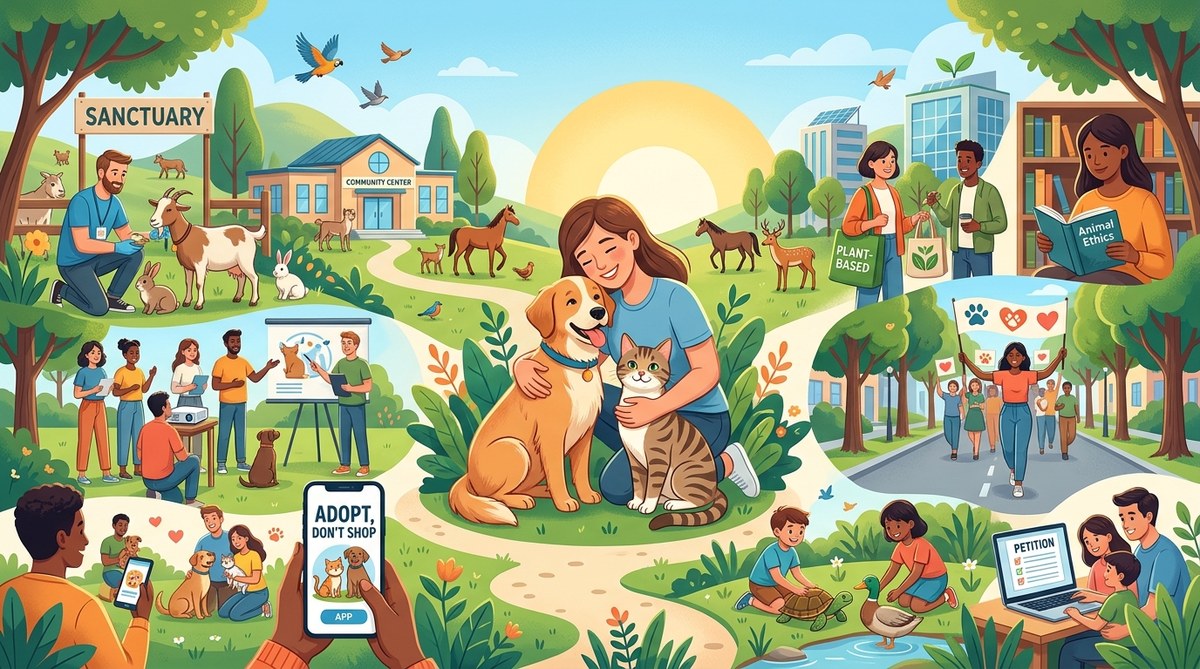
You do not need to adopt a pet to make a difference. In fact, some of the most valuable forms of help do not involve taking an animal home at all. Here are the most effective ways to support your local shelter in 2026.
1. Become a foster parent for shelter animals
Fostering is one of the biggest needs right now. Shelters need temporary homes for animals that are too young, too sick, or too stressed to stay in a kennel. Fostering frees up kennel space for incoming animals. It also gives pets a better chance at adoption because they learn to live in a home environment.
Most shelters provide all the supplies. You just provide the love and a spare room. If you have been thinking about it, now is the time to sign up.
2. Donate money, not just stuff
Shelters always appreciate donations of food, blankets, and toys. But what they need most in 2026 is cash. Money gives them the flexibility to pay for emergency veterinary care, spay and neuter surgeries, and utility bills. A monetary donation goes further than a bag of kibble because it can be used where the need is greatest.
Consider setting up a monthly recurring donation. Even ten dollars a month adds up.
3. Volunteer your time and skills
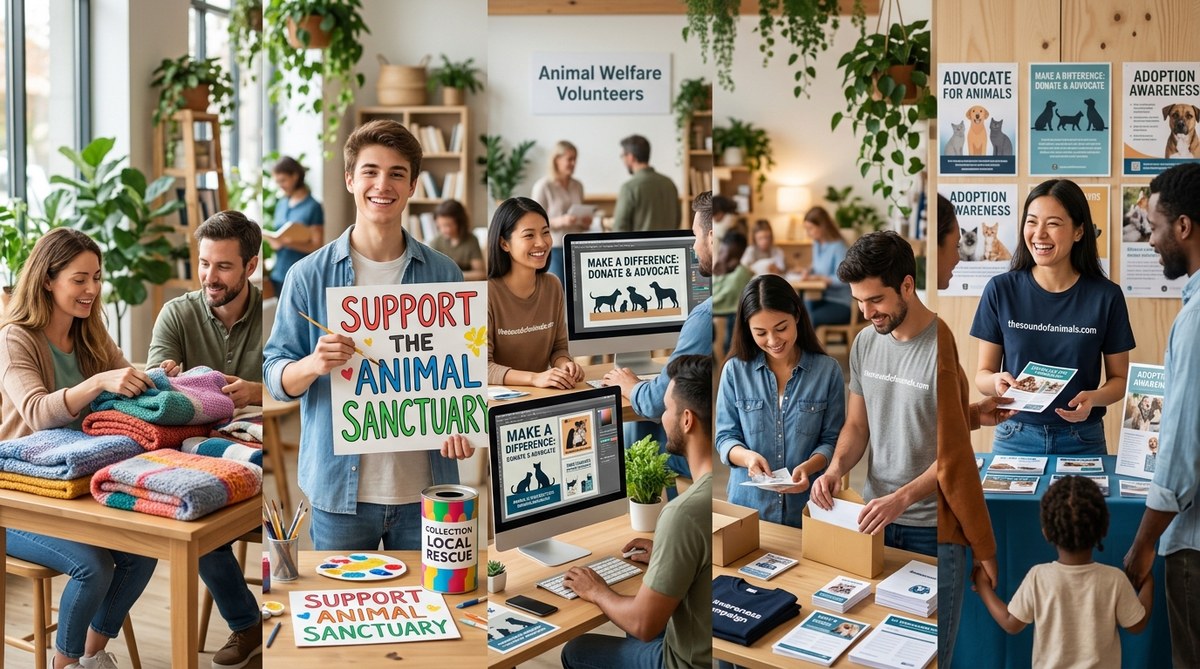
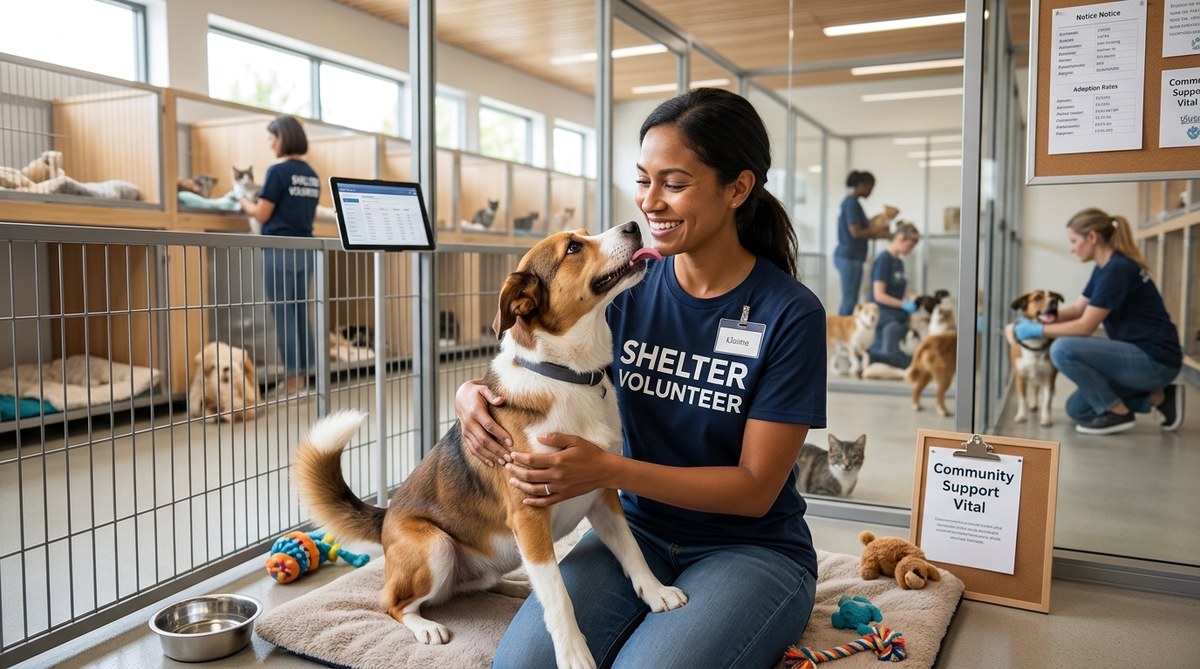
Shelters need people to walk dogs, clean kennels, and socialize cats. But they also need people with specific skills. Do you know how to take good photographs? Shelters need photos of adoptable pets for their websites. Are you good at social media? You can help share adoption listings. Do you have a pickup truck? You can help transport supplies or animals to vet appointments.
4. Advocate for policy change
Local laws can make a huge difference. You can advocate for better pet-friendly housing policies, stronger spay and neuter funding, and laws that regulate puppy mills. Showing up at a city council meeting and speaking up for animals is a powerful way to help.
If you want to learn more about this side of advocacy, read our guide on how to advocate effectively for animal rights in your community.
Common Mistakes People Make When Trying to Help
It is easy to want to help, but some well intentioned actions can actually make things harder. Here is a table that breaks down what works and what does not.
| Action | Why It Can Be a Problem | Better Alternative |
|---|---|---|
| Dropping off a stray animal without calling first | The shelter may be full and have no space. You could be forcing them to turn the animal away. | Call ahead and ask for guidance. They may have a waiting list or a different intake process. |
| Donating opened bags of food or old bedding | Shelters cannot accept opened food due to health regulations. Old bedding may be dirty or unsafe. | Donate new, unopened food and clean towels or blankets. Check the shelter’s wish list first. |
| Showing up unannounced to volunteer | Staff may not have time to train you on the spot. You could be a distraction. | Sign up for an orientation session. Most shelters have a formal volunteer onboarding process. |
| Adopting on impulse without preparation | The animal may end up returned to the shelter, which is traumatic for the pet. | Do your research. Make sure your lifestyle fits the animal’s needs. Consider fostering first. |
The Role of Community Support in 2026
Shelters are not government agencies. Most are private nonprofits that rely on community donations and volunteers. When the local economy struggles, shelters struggle too. That is why your support matters more than ever.
Think of your local shelter as a safety net for the entire community. When a family loses their home, the shelter is there to take in their pet. When a stray dog is hit by a car, the shelter provides emergency medical care. When a feral cat colony needs to be managed, the shelter coordinates trap-neuter-return programs.
Without community support, that safety net falls apart.
There are also creative ways to help that you might not have considered. For example, you can organize a neighborhood pet food drive. You can use your social media following to share adoption posts. You can even choose to shop at brands that donate a portion of their profits to animal welfare. Every small action creates a ripple effect.
For more ideas, check out our list of 10 ways you can support local animal shelters in 2026.
A Simple Three Step Plan to Get Started
If you are feeling overwhelmed, start small. Here is a practical process that anyone can follow.
-
Pick one action. Decide whether you want to foster, donate, volunteer, or advocate. Do not try to do everything at once. Choose one thing that fits your schedule and energy level.
-
Contact your local shelter. Visit their website or call them. Ask what their most urgent needs are right now. Every shelter is different. Some might desperately need foster families. Others might need help with administrative tasks. Let them tell you what would help the most.
-
Commit to a specific date. Put it on your calendar. If you are going to volunteer, schedule your first shift. If you are going to donate, set up the recurring payment today. If you are going to foster, fill out the application before the end of the week.
That is it. Three steps. You will be making a difference before the month is over.
Why Your Local Shelter Needs You More Than Ever
The phrase “why animal shelters need help 2026” is not just a search term. It is a reality that plays out every day in communities across America. Shelters are facing a crisis of capacity, funding, and staffing. But they are also filled with dedicated people who refuse to give up on the animals in their care.
You can be part of the solution. Whether you have five dollars to spare, a spare bedroom for a foster cat, or a few hours on a Saturday, your contribution matters. The animals cannot wait. They need you now.
Start today. Call your local shelter. Ask what they need. Then show up and deliver. That is how we get through this together.