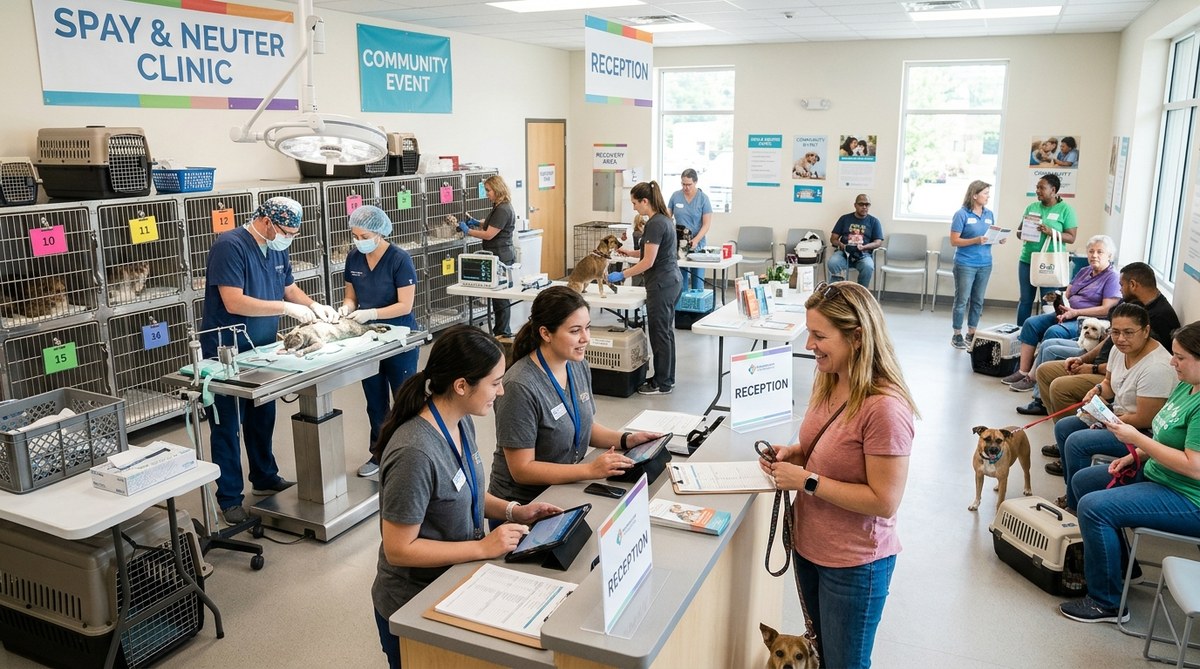
Supporting local animal shelters in 2026 means more than just occasional donations. It’s about making a consistent, positive impact on the lives of countless animals waiting for their forever homes. With community involvement, compassionate giving, and proactive advocacy, everyone can contribute to creating a better environment for these pets. Whether you’re an animal lover, a busy parent, or a community leader, your efforts can help shelters thrive and save more lives this year.
Supporting local animal shelters in 2026 involves volunteering, donating, fostering, advocating, and spreading awareness. Every action helps improve shelter conditions and find homes for pets in need. Small steps by community members can make a big difference for homeless animals this year.
How To Support Local Animal Shelters Effectively
Supporting your local animal shelter can seem overwhelming at first. But with a few targeted steps, you can make a meaningful difference. From hands-on volunteering to community outreach, there are numerous ways to get involved and help shelters operate more effectively. Here are ten practical methods to support local animal shelters in 2026.
1. Volunteer your time and skills
One of the most direct ways to support local shelters is by volunteering. Shelters often need help with cleaning, feeding, walking animals, and administrative tasks. Your time can free up staff for medical care and adoption outreach. Many shelters also welcome volunteers to assist with events or social media outreach. Check with your local shelter about their volunteer programs and sign up to give your time.
2. Donate supplies and funds
Shelters rely heavily on donations to keep running smoothly. Items like pet food, bedding, toys, and cleaning supplies are always in demand. Monetary donations can help cover medical expenses, shelter upgrades, or outreach programs. Many shelters also accept sponsorships for specific animals, helping cover their care costs until they find homes.
3. Foster pets in need
Fostering provides animals with a safe, loving environment while they wait for adoption. It reduces shelter overcrowding and gives pets a chance to thrive in a home setting. Fosters often help with socialization and behavior training, making animals more adoptable. Reach out to your local shelter to learn about their foster programs and how you can participate.
4. Advocate for policies that benefit animals
Supporting legislation that enhances animal welfare is crucial. This can include pushing for stronger anti-cruelty laws, funding for spay and neuter programs, and pet-friendly housing policies. Advocacy can also involve raising awareness online or attending community meetings. Your voice can influence local policies that create long-term change for shelter animals.
5. Organize or participate in fundraising events
Fundraisers help shelters acquire the resources they need. You could host a charity walk, a bake sale, or a virtual fundraiser. Collaborate with local businesses or schools to maximize participation. Many shelters also organize adoption events or awareness drives, and your involvement can help increase their reach.
6. Educate your community about responsible pet ownership
Prevention is better than cure. Educate friends, family, and neighbors about the importance of spaying and neutering, proper pet care, and adopting instead of buying. Schools and community centers often welcome guest speakers or informational booths. Spreading knowledge reduces the number of animals ending up in shelters.
7. Support shelter staff and volunteers
Recognize the hard work of shelter workers and volunteers by thanking them or offering small gestures of appreciation. Sharing their stories or highlighting their work on social media can also boost morale and awareness. Supporting the people behind the scenes is vital to sustaining shelter efforts.
8. Use social media to raise awareness
Sharing shelter stories, adoptable pet profiles, and upcoming events online can reach a broader audience. Social media campaigns often go viral, helping to find homes faster. Tag local shelters and use relevant hashtags to amplify your message. Your online voice can inspire others to contribute.
9. Foster a rescue mindset in your community
Encourage others to consider fostering or adopting instead of shopping for pets. Organize community drives to facilitate pet adoptions or donations. Building a culture of support around shelter animals can lead to sustained improvements in local shelters’ effectiveness.
10. Start your own support initiatives
If you have a passion for animals, consider creating a local rescue group or advocacy organization. Organize volunteer training, community outreach, or fundraising campaigns. Your leadership can build a network of dedicated supporters working together to support shelters.
Practical Techniques for Supporting Shelters and Common Mistakes to Avoid
| Technique | What to Do | Mistake to Avoid |
|---|---|---|
| Regular donations | Set up recurring gifts to ensure consistent support | Giving sporadically can hinder planning |
| Volunteering in person | Offer specific skills like grooming or admin help | Overcommitting without availability |
| Fostering a pet | Follow shelter guidelines for care and visits | Failing to communicate needs or issues |
| Advocacy campaigns | Use social media to spread awareness | Spreading misinformation or negativity |
| Attending fundraisers | Participate actively and promote events | Only attending without contributing |
“Every small act of kindness, whether volunteering a few hours or sharing a pet’s story online, contributes to a larger movement that saves lives,” says animal rescue advocate Emily Carter.
Keeping the Momentum Going
Supporting local animal shelters in 2026 involves ongoing commitment. Find ways to integrate support into your daily routine or community activities. Invite friends or family to join you in fostering or volunteering. Stay informed about shelter needs and show up when it counts. Remember, every effort counts and creates a ripple effect of compassion.
How to Make a Lasting Impact for Homeless Pets
Your involvement can transform a shelter’s environment and open doors for countless animals. Start small by donating supplies or volunteering your time. As you see the difference your actions make, consider expanding your efforts through advocacy or organizing community events. The key is consistency and genuine care. Together, we can make 2026 a year where every homeless pet finds a safe, loving home.