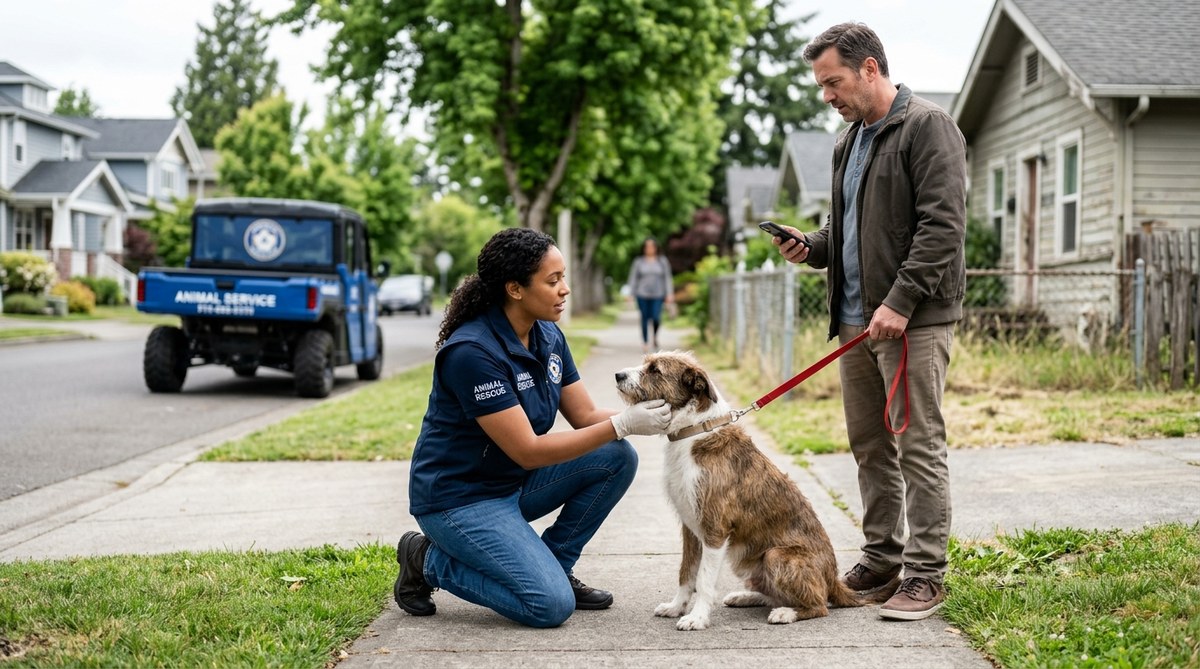
You see a dog tied to a chain in the backyard day after day, rain or shine. The ribs are visible. The water bowl is dry. Your gut tells you something is wrong. You want to help, but you are not sure what to do. The good news is that you can make a real difference. Learning how to recognize the warning signs and how to report animal cruelty is the first step to saving a life.
Animal cruelty can be physical, emotional, or neglectful. Look for visible injuries, poor body condition, unsanitary living conditions, and signs of fear or aggression. To report animal cruelty safely, document evidence, identify the correct local authority (animal control, police, or humane society), and provide a detailed account. Your report can be anonymous in most states. Acting quickly and legally can stop suffering and even prevent future violence. You are the voice animals need.
Recognizing the Red Flags of Animal Cruelty
Not all abuse leaves a visible mark. Some forms of cruelty are hidden in plain sight. Knowing what to watch for is essential. You do not need to be a veterinarian to spot trouble. Use your eyes and ears.
Physical Signs of Abuse
- Unexplained injuries like limping, wounds, burns, or patches of missing fur.
- Extremely thin body where you can see ribs, spine, or hip bones easily.
- Untreated medical conditions such as severe dental problems, matted fur packed with feces, or heavy eye/nose discharge.
- Collars that are too tight and have rubbed raw grooves into the animal’s neck.
Environmental Signs of Neglect
- No access to clean water or food.
- Shelter that does not protect from extreme heat, cold, or rain.
- Animal left alone for days without human contact.
- Living in filth with piles of waste, sharp debris, or hazardous materials.
Behavioral Signs That Something Is Wrong
- Extreme fear of people, sudden movements, or specific objects.
- Aggression that comes from pain or trauma.
- Depression shown by lack of interest, hiding, or refusal to move.
- Repetitive behaviors like pacing, circling, or self-biting.
“When you see an animal that is clearly suffering, do not look away. Your call could be the difference between life and death. Always let the authorities investigate rather than confronting the owner yourself.” — Officer Maria Torres, Animal Cruelty Investigation Unit, 2026
What to Do Before You File a Report
Before you pick up the phone, take a few steps to make your report stronger. The goal is to give investigators enough details to act.
- Observe from a safe distance. Do not trespass. Do not approach the animal or the owner. Your safety comes first.
- Document everything. Use your phone to take clear video or photos. Record dates, times, and specific incidents. Note the exact address or location.
- Talk to neighbors. Someone else may have already reported the situation. Sharing information strengthens the case.
- Check local laws. Animal cruelty definitions vary from state to state. In 2026, most states have felony provisions for severe abuse, but the reporting agency may differ. Look up your city or county animal control website.
How to Report Animal Cruelty Step by Step
The process to report animal cruelty is not complicated, but it does require following the right channel. Misrouting a report can cause delays.
| Step | Action | Common Mistake to Avoid |
|---|---|---|
| 1 | Call the local animal control department for your city or county. | Calling the national hotline first instead of the local agency. |
| 2 | Provide a calm, factual description of what you saw. | Getting emotional or exaggerating details. Stick to the facts. |
| 3 | Give the exact address and a description of the animal. | Giving a vague location like “behind the grocery store.” |
| 4 | Share your evidence (photos, videos, witness names) if they ask. | Sending evidence to the wrong department or via public social media. |
| 5 | Ask for a case number and the name of the officer assigned. | Forgetting to follow up. Write down the case number. |
| 6 | Follow up after 48 hours if you have not heard back. | Assuming the case was closed without checking. |
If the situation is an emergency (e.g., an animal is being actively beaten, in a hot car, or in immediate danger), call 911. For all other situations, use the non-emergency line of animal control or the local police department.
Where to Report Animal Cruelty in 2026
The correct agency depends on where you live. In the United States, responsibility for animal welfare is handled at the local level. Use these general guidelines:
- City or county animal control is the primary agency for most neglect and abuse cases.
- Local police or sheriff handles emergency situations and animal fighting rings.
- State humane societies or SPCA chapters often have law enforcement powers in some states.
- The ASPCA operates a national hotline (you can call 1-888-666-6840) that can direct you to the right local contact.
If you are not sure who to call, start by searching “animal control [your city]” or “report animal cruelty [your county].” You can also check the website of your local humane society for a dedicated cruelty reporting line.
What Happens After You Report
You may feel anxious after filing a report. That is normal. Here is what typically happens next:
- The agency reviews your report and decides whether it meets the legal definition of cruelty.
- An officer or investigator is dispatched to visit the location.
- They may issue a warning, require the owner to make improvements (like providing food or shelter), or seize the animal if conditions are severe.
- If the case goes to court, you may be asked to testify. Most reports can remain anonymous, but your contact information might be needed for follow up.
It is important to remember that not every report leads to immediate action. Limited resources mean some cases take longer. Your report is still valuable because it creates a record. Multiple reports about the same animal or location increase the urgency.
How You Can Help Beyond Reporting
Making a single report is an act of courage. But you can do even more to protect animals in your community.
- Volunteer with your local shelter to help care for rescued animals. If you want to get started, read our guide on how to get started as a volunteer for local animal shelters.
- Support organizations that investigate cruelty. Donate money, food, or supplies.
- Educate others about the signs of abuse. Share this article with your neighbors.
- Advocate for stronger laws in your city or state. Learn how to advocate for animal rights effectively in your community.
- Foster or adopt an animal in need. Consider the rewards of adopting a senior pet.
Common Myths About Reporting Animal Cruelty
Let us clear up a few misconceptions that stop people from taking action.
- Myth: I must be 100% sure before I call. No. If you have reasonable suspicion, report it. Let the trained officers decide.
- Myth: Only physical abuse counts. Neglect, hoarding, and abandonment are also forms of cruelty.
- Myth: My report will not matter if I do not have proof. You do not need to be a detective. Just share what you saw.
- Myth: The owner will know it was me. Most agencies allow anonymous reports. Even if you give your name, it is usually kept confidential.
Your Voice Is Their Lifeline
Every year, millions of animals suffer in silence. In 2026, you have the tools and the knowledge to change that. You do not need a badge or a degree to make a difference. All you need is a caring heart and the courage to speak up.
The next time you see a dog shivering without shelter, a cat with an untreated wound, or a horse standing in mud up to its knees, do not walk away. Take out your phone. Make the call. File the report. You could be the one who finally breaks the cycle of suffering.
And if you want to keep learning, check out our collection of top ways to support animal rescue missions in your community or get inspired by heartwarming rescue stories that highlight the impact of animal advocacy.
You have the power to protect the voiceless. Use it today.