Community cats are a fixture of nearly every neighborhood across the United States. You have likely seen them: a wary tabby slipping behind a dumpster, a sleek black cat sunning itself on a quiet porch, or a small colony gathering near a reliable food source. For years, the standard response to these free-roaming felines was to trap and remove them, often leading to shelter overcrowding and euthanasia. But a more humane and effective strategy has taken center stage in 2026: Trap-Neuter-Return, or TNR. This approach is not just compassionate; it is backed by mounting evidence that it stabilizes and shrinks community cat populations over time.
Trap-Neuter-Return programs are the most humane and scientifically supported method for managing community cat populations in 2026. By sterilizing, vaccinating, and returning cats to their outdoor homes, TNR stops reproduction, reduces nuisance behaviors, and lowers shelter intake. This evidence-based strategy saves money, protects wildlife, and builds healthier communities.
How TNR Changes the Game for Community Cats
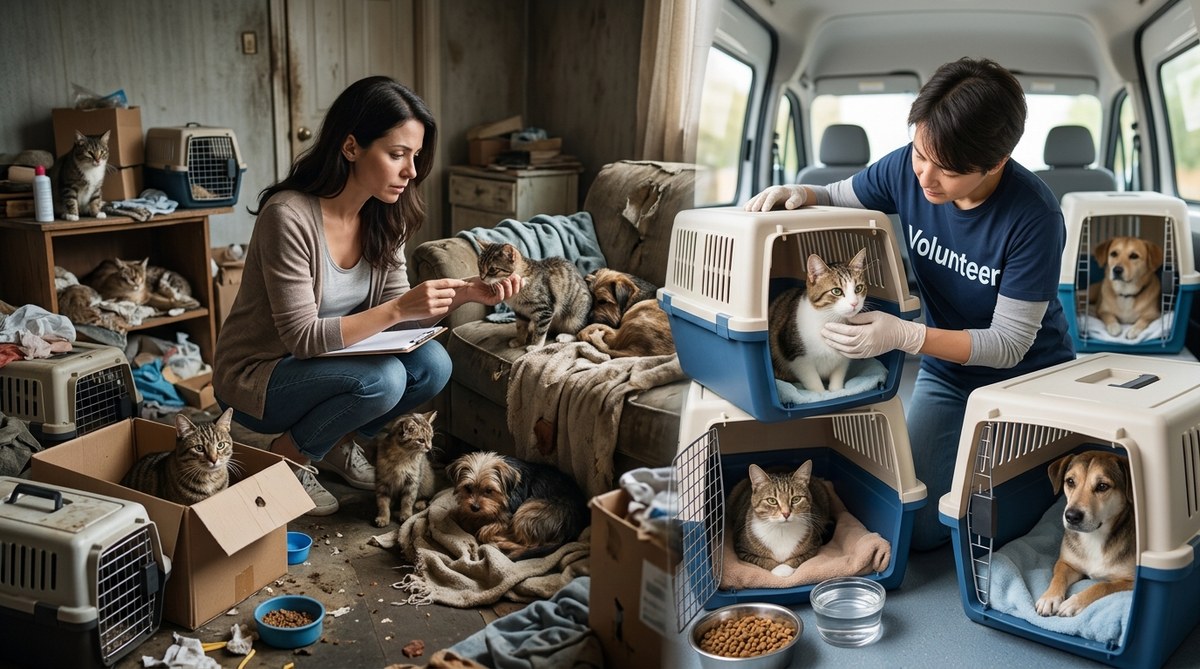
Trap-Neuter-Return does exactly what the name suggests. Caretakers humanely trap community cats, take them to a veterinarian for spaying or neutering, and then return them to their original outdoor territory. The cats are also vaccinated, treated for parasites, and given an ear tip or microchip for identification. This simple cycle breaks the endless loop of kitten births that keeps colony sizes large.
In 2026, TNR programs community cats 2026 are more critical than ever. With many municipal shelters operating at capacity, preventing new litters is the single most effective way to reduce intake. A single unspayed female cat can produce two to three litters per year, with an average of four to six kittens per litter. Left unchecked, a small colony can explode in size within a single season.
The Step-by-Step Process of a Successful TNR Program
If you are new to organizing TNR, the process is straightforward. Here is the numbered sequence that most effective programs follow:
- Assess and prepare the colony site. Identify the location, count the cats, and set up feeding stations to establish a routine. This builds trust and makes trapping easier.
- Humanely trap the cats. Use baited, covered traps and monitor them constantly. Never leave a trap unattended for more than an hour.
- Transport to a veterinary clinic. Have cats spayed or neutered, vaccinated against rabies and distemper, and treated for fleas and ear mites. The veterinarian will also tip one ear for identification.
- Provide post-surgery recovery. Keep cats in a quiet, secure space for 24 to 48 hours to recover from anesthesia.
- Return the cats to their original territory. Release them at the same location where they were trapped. They will rejoin their colony and resume their normal lives.
- Monitor and maintain the colony. Continue to provide food, water, and shelter. Track any new cats that appear and plan future trapping sessions.
Common Mistakes to Avoid in TNR Work
Even well-meaning volunteers can make errors that reduce the effectiveness of their TNR program. The table below outlines the most common mistakes and the correct techniques to use instead.
| Mistake | Why It Hurts the Program | Correct Technique |
|---|---|---|
| Trapping and removing cats without returning them | Leaves a vacuum that attracts new cats from surrounding areas (the vacuum effect) | Always return sterilized cats to their original territory |
| Failing to tip ears or microchip | Makes it impossible to know if a cat has already been sterilized | Use ear tipping or a microchip for clear identification |
| Releasing cats too soon after surgery | Can cause complications like infection or suture failure | Keep cats for at least 24 hours post-surgery, or as directed by your vet |
| Ignoring new arrivals to the colony | Allows unsterilized cats to reproduce and grow the colony again | Monitor the colony regularly and trap any new cats as soon as possible |
| Not building relationships with neighbors | Leads to complaints and potential legal pushback | Educate neighbors about the benefits of TNR and involve them as supporters |
Why TNR Works Better Than Trap and Remove
The old method of trap and remove might seem like a solution, but it creates a serious problem. When cats are taken away, the territory they leave behind becomes available. New cats from the surrounding area move in to take advantage of the food and shelter. This is known as the vacuum effect. The new cats are often unsterilized, and the cycle of reproduction starts all over again.
TNR avoids this entirely. By returning sterilized cats to their territory, the colony remains intact. These cats continue to defend their home range, preventing newcomers from settling in. Over time, the colony shrinks naturally as older cats pass away and no new kittens are born. Studies from across the United States show that TNR programs can reduce colony size by 30 to 50 percent within three to five years.
The Evidence Behind TNR in 2026
The scientific case for TNR programs community cats 2026 is strong. A growing body of peer-reviewed research confirms that TNR reduces shelter intake, lowers euthanasia rates, and stabilizes outdoor cat populations. For example, a landmark study published in the Journal of the American Veterinary Medical Association found that TNR programs in Florida reduced shelter intake from targeted areas by over 25 percent within two years.
“Trap-Neuter-Return is not just a humane choice; it is the most effective long-term strategy we have for managing outdoor cat populations. The data consistently shows that sterilization prevents the exponential growth that leads to shelter overcrowding.” Dr. Elena Marquez, DVM, community cat specialist.
Beyond population control, TNR improves the health of the cats themselves. Vaccinated and sterilized cats live longer, have fewer injuries from fighting, and are less likely to spread diseases like rabies. This benefits both the cats and the people who live near them.
Practical Tools for Advocates and Caretakers
If you are ready to start or support a TNR program in your area, you do not need to go it alone. Many resources exist to help you succeed.
- Local rescue groups and shelters. Many organizations already run TNR programs and can loan you traps, provide transportation, or connect you with low-cost veterinary services.
- Online TNR networks. Social media groups and forums allow caretakers to share tips, ask questions, and coordinate trapping efforts across neighborhoods.
- Grant funding. In 2026, several animal welfare foundations offer grants specifically for TNR programs. Look for opportunities from groups like the ASPCA, Best Friends Animal Society, and local community foundations.
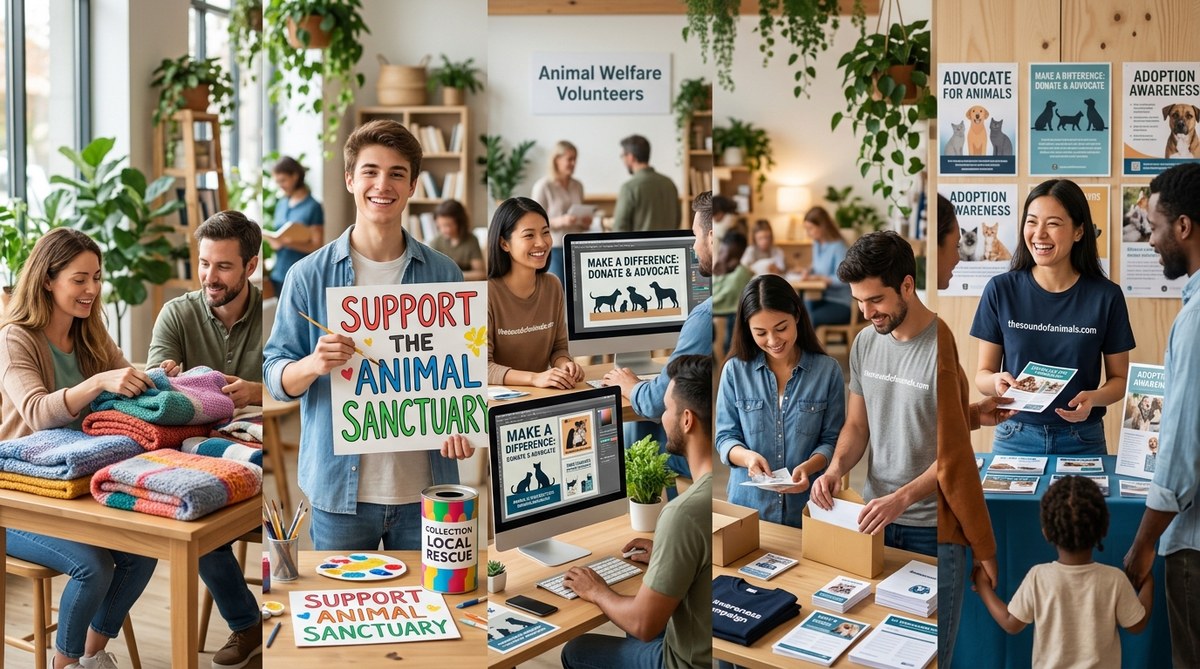
- Volunteer training. Many animal shelters offer free workshops on humane trapping, colony management, and post-surgery care. If you are looking for more ways to get involved, consider reading our guide on how to get started as a volunteer for local animal shelters.
Addressing Common Concerns About TNR
Some people worry that TNR encourages people to abandon their pets, assuming the cats will be cared for. The evidence does not support this fear. TNR programs are typically paired with public education campaigns that emphasize responsible pet ownership. When communities understand that TNR is a management tool, not a free pet care service, abandonment rates do not increase.
Others ask about the impact of community cats on birds and small wildlife. While cats do hunt, TNR reduces the number of kittens born, which in turn reduces the total hunting pressure over time. Additionally, well-fed, sterilized cats tend to hunt less than hungry, unsterilized cats. Many TNR programs also work with local wildlife groups to identify and protect sensitive bird habitats.
Building Support for TNR in Your Community
Getting a TNR program off the ground often requires buy-in from local government and neighbors. Here are some actionable steps to build that support.
- Collect data. Count the cats in your area, track shelter intake numbers, and document complaints. Hard numbers make a strong case.
- Present to your city council. Share the evidence that TNR saves money compared to trap and kill programs. A single TNR surgery costs less than the combined expense of trapping, sheltering, and euthanizing multiple litters.
- Recruit allies. Partner with local veterinarians, animal control officers, and neighborhood associations. A united front is harder to ignore.
- Educate the public. Use social media, community meetings, and flyers to explain how TNR works and why it is the kindest option. For more tips on making your voice heard, check out our resource on how to advocate effectively for animal rights in your community.
What TNR Means for the Future of Animal Welfare
The shift toward TNR programs community cats 2026 represents a larger change in how we think about animal welfare. Instead of seeing community cats as a problem to be eliminated, we now view them as a population to be managed with compassion and science. This approach aligns with the values of a society that increasingly prioritizes humane treatment for all animals.
Shelters that embrace TNR report lower euthanasia rates, higher staff morale, and stronger community relationships. Taxpayers benefit too. A single TNR surgery costs a fraction of what it takes to house, feed, and eventually euthanize a litter of kittens. The math is simple: TNR saves lives and money.
A Call to Action for 2026
The evidence is clear. TNR programs work. They reduce cat populations, improve cat health, lower shelter intake, and build stronger communities. As an animal welfare advocate, a policymaker, or a dedicated colony caretaker, you have the power to make TNR a reality in your area. Start by reaching out to your local shelter or rescue group. Offer to help with a single trapping session. Share this article with your city council member. Every small step moves us closer to a future where no healthy cat is euthanized simply because there are too many of them.
The cats in your neighborhood are not the problem. They are the victims of a system that has not kept up with the science. In 2026, we have the tools and the knowledge to do better. Let us put them to work.