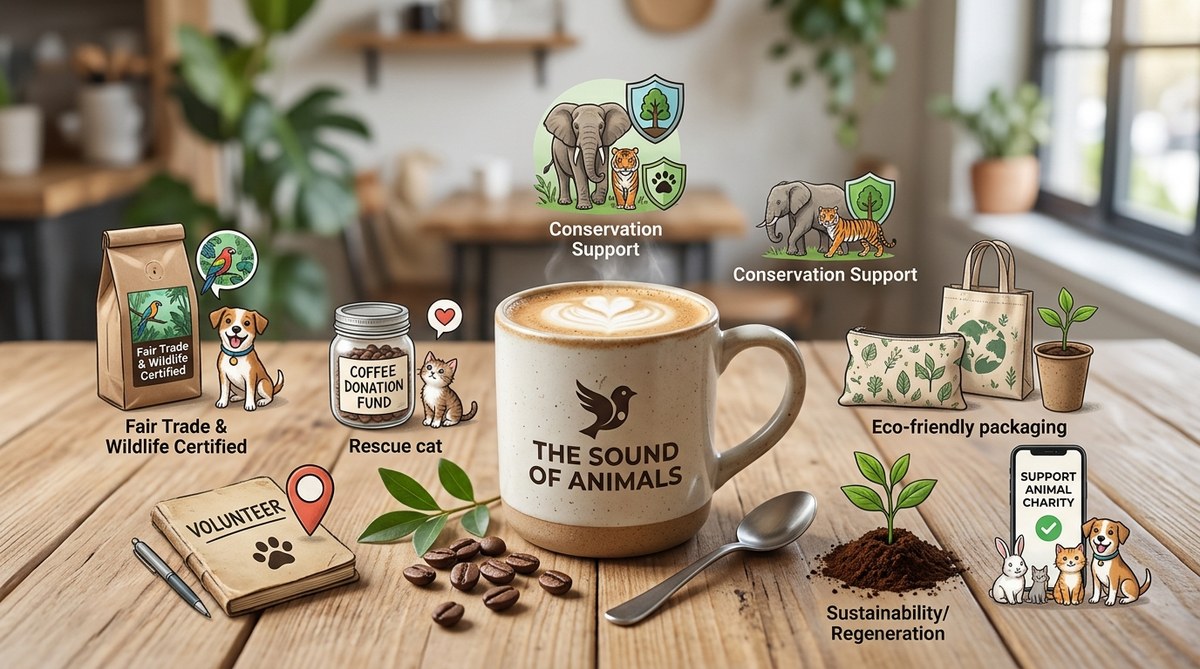
Your morning coffee ritual can do more than wake you up. It can save lives. Not in some abstract, feel-good way. In a real, measurable way. A growing number of roasters and cafes are proving that a simple cup of coffee can be a lifeline for animals in need. Whether you are a dedicated rescue volunteer or someone who just wants their daily habit to matter more, this is for you. Let us look at seven ways your morning brew can become coffee that helps animals.
Your morning coffee can directly fund animal rescue, support ethical farms that protect wildlife, and help shelters stay open. By choosing brands that donate a portion of sales, you turn a daily habit into a steady income stream for animal welfare. You do not need to volunteer or donate extra. You just need to switch your beans.
1. Direct Donation per Bag Sold
Some of the most effective coffee brands treat every purchase like a micro-donation. They set aside a fixed amount from each bag sold and send that money to animal shelters, spay and neuter clinics, or wildlife rehabilitation centers.
Here is how it works:
- You buy a bag of coffee.
- The roaster tracks the sale.
- A portion of that sale goes directly to a partner organization.
- The organization uses the funds for food, medical care, or adoption programs.
This model is powerful because it creates a predictable funding stream. A shelter knows that if a roaster sells 1,000 bags this month, they will receive a check for a specific amount. That stability lets them plan for the future.
2. Funding for Trap-Neuter-Return Programs
Trap-neuter-return (TNR) is one of the most humane ways to manage community cat populations. It reduces the number of kittens born into harsh outdoor lives without resorting to euthanasia. But TNR costs money. Traps, vet visits, vaccines, and food all add up.
A few specialty coffee roasters now partner directly with TNR organizations. They label their blends as “community cat coffee” and donate a percentage of each sale to local TNR groups. When you buy that bag, you are helping to fund the spay surgery for a feral cat or paying for the gas a volunteer needs to drive traps to the clinic. It is a direct, tangible impact.
If you want to see more ways to help from home, check out our guide on top 10 simple ways to support animal rescue efforts from home.
3. Shade-Grown Coffee Protects Bird Habitats
This one might surprise you. Coffee that helps animals is not just about domestic pets. It is also about wild birds. Traditional coffee farming often involves clearing forests to grow coffee plants in full sun. That destroys the habitat of countless migratory birds.
Shade-grown coffee, on the other hand, is cultivated under a canopy of native trees. Those trees provide food and shelter for birds. They also support insects, amphibians, and small mammals. By choosing shade-grown coffee, you are helping to preserve entire ecosystems.
Look for certifications like Bird Friendly or Rainforest Alliance. These labels mean the coffee was grown in a way that protects wildlife. It is a small choice that has a big ripple effect.
4. Supporting Animal Sanctuaries with Every Sip
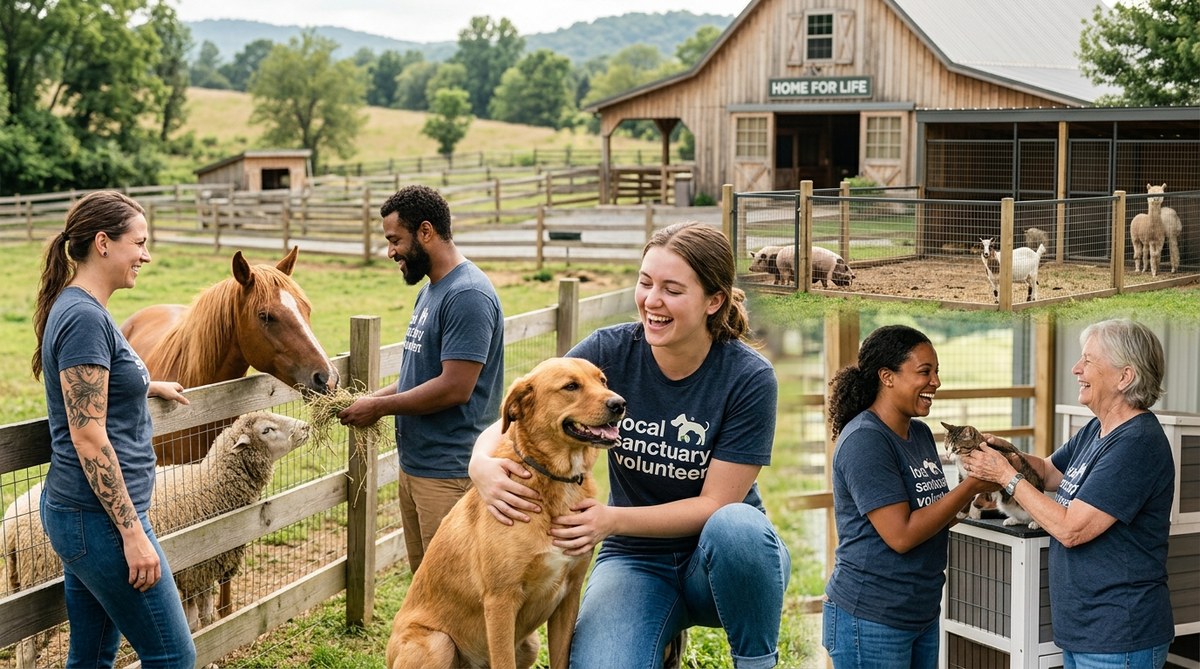
Animal sanctuaries are expensive to run. They need hay, heating, veterinary care, and staff. Many operate on tight margins. Some have found an unexpected ally in the coffee industry.
These sanctuaries offer their own branded coffee through online stores. When you buy a bag, the profit goes straight to the animals. You might buy a “Piggy Blend” that funds a rescued pig’s feed, or a “Goat Grind” that pays for hoof trims. It is a way to support a sanctuary without leaving your kitchen.
For more ideas on how to help these organizations, read about why supporting local animal sanctuaries matters more than you think.
5. Coffee Shops That Double as Adoption Centers
A growing trend in the United States is the cat cafe. You pay for coffee, and the cafe uses that revenue to care for adoptable cats. But the model is expanding. Some dog-friendly cafes now host adoption events every weekend. Others dedicate a wall of their shop to photos of shelter pets who need homes.
When you buy coffee at these places, you are covering the rent, the utilities, and the staff salaries that make the rescue work possible. You are also giving the animals exposure. A person who came in for a latte might leave with a new best friend.
Here is a table that compares different types of animal-friendly coffee businesses:
| Type of Business | How It Helps Animals | What You Get |
|---|---|---|
| Cat Cafe | Funds care for adoptable cats; provides social space for cats | Coffee plus time with felines |
| Dog-Friendly Roaster | Donates a portion of sales to dog rescues | Freshly roasted beans |
| Wildlife Sanctuary Coffee | Profits go to wildlife rehab and habitat preservation | Unique blends with a conservation story |
| Shelter Partnership Cafe | Hosts adoption events on site | A chance to meet adoptable pets |
6. Reducing Bycatch and Protecting Farm Animals
Here is a less obvious connection. Some coffee farms also raise animals. In many parts of the world, coffee is grown alongside livestock. The way those animals are treated matters.
Ethical coffee companies often require their suppliers to meet animal welfare standards. They might insist that dairy cows on the farm have access to pasture, or that chickens are not kept in battery cages. By buying from these companies, you are voting for better treatment of farm animals.
“Every purchase is a vote for the kind of world you want to live in. When you choose coffee from a farm that treats its animals humanely, you are telling the industry that cruelty is not acceptable.” – Dr. Sarah Mitchell, animal welfare policy advisor
This is a powerful reminder that coffee that helps animals extends beyond pets to all creatures.
7. Creating Jobs for Rescue Animals
Some innovative coffee companies hire rescue animals. No, the animals do not brew espresso. But they do work as “greeters” or “mascots” in roasteries and cafes. These are often dogs or cats who were difficult to adopt. They may be senior animals, or animals with special needs.
The coffee business gives them a home and a job. They get a stable environment, regular meals, and lots of attention from customers. In return, they help create a warm, welcoming atmosphere. Customers come back because they love seeing the resident dog or cat. It is a win-win.
If you are inspired to get more involved, read our guide on how to get started as a volunteer for local animal shelters.
How to Find Coffee That Helps Animals
Finding the right brand does not have to be hard. Here is a simple checklist to help you choose:
- Look for a clear donation statement on the packaging or website.
- Check if the brand partners with a specific rescue or shelter.
- Read reviews from other animal lovers.
- Verify certifications like Bird Friendly or Fair Trade.
- See if the company shares updates about the animals they support.
Avoid brands that use vague language like “a portion of proceeds” without naming the charity. Transparency matters.
Common Mistakes When Buying Ethical Coffee
Even well-meaning buyers can slip up. Here are a few pitfalls to watch for:
| Mistake | Why It Hurts | Better Approach |
|---|---|---|
| Assuming all organic coffee is animal-friendly | Organic standards do not always cover animal welfare | Look for additional animal welfare certifications |
| Buying from brands that do not disclose their charity | You cannot verify where your money goes | Choose brands that name their partner organizations |
| Ignoring the roast date | Stale coffee is a waste of money and resources | Buy fresh, whole-bean coffee from a roaster |
| Focusing only on price | Cheap coffee may cut corners on ethics | Pay a fair price for a product that aligns with your values |
Your Morning Cup Can Be a Force for Good
You do not need to be a full-time activist to make a difference. You just need to be intentional about one small daily choice. The next time you reach for a bag of beans, ask yourself: does this coffee help animals? If the answer is yes, you are starting your day with purpose.
Switch your brew. Support a rescue. And enjoy the best cup of coffee you will ever have. Knowing it came from a place of compassion makes it taste even better.