You walk into a brightly lit pet store. A row of tiny puppies snooze in a glass-walled pen. A parrot preens on a perch near the register. It feels cheerful, even wholesome. But behind that charming storefront, a much darker story often plays out. The question “are pet stores ethical?” is one that more and more people are asking in 2026, and for good reason. The simple truth is that most pet stores that sell live animals are directly linked to a system that prioritizes profit over the well being of dogs, cats, birds, and small mammals. This article will help you see past the cute displays and understand what really happens behind the scenes.
Most pet stores that sell live animals source from commercial breeders or puppy mills, where profit margins crush animal welfare. These stores often hide the origins of their animals. The most ethical choice is to adopt from a shelter or rescue. If you must buy from a store, only support ones that partner exclusively with verified rescues and never sell mammals.
The Hidden Link Between Pet Stores and Puppy Mills
When you ask “are pet stores ethical?”, the first place to look is where they get their animals. The vast majority of puppies sold in pet stores come from large scale commercial breeding facilities, often called puppy mills. These are not loving homes where a family dog has a litter. They are industrial operations where breeding females are kept in cramped, wire bottomed cages with little to no veterinary care. The dogs are bred over and over until they can no longer produce, and then they are often discarded.
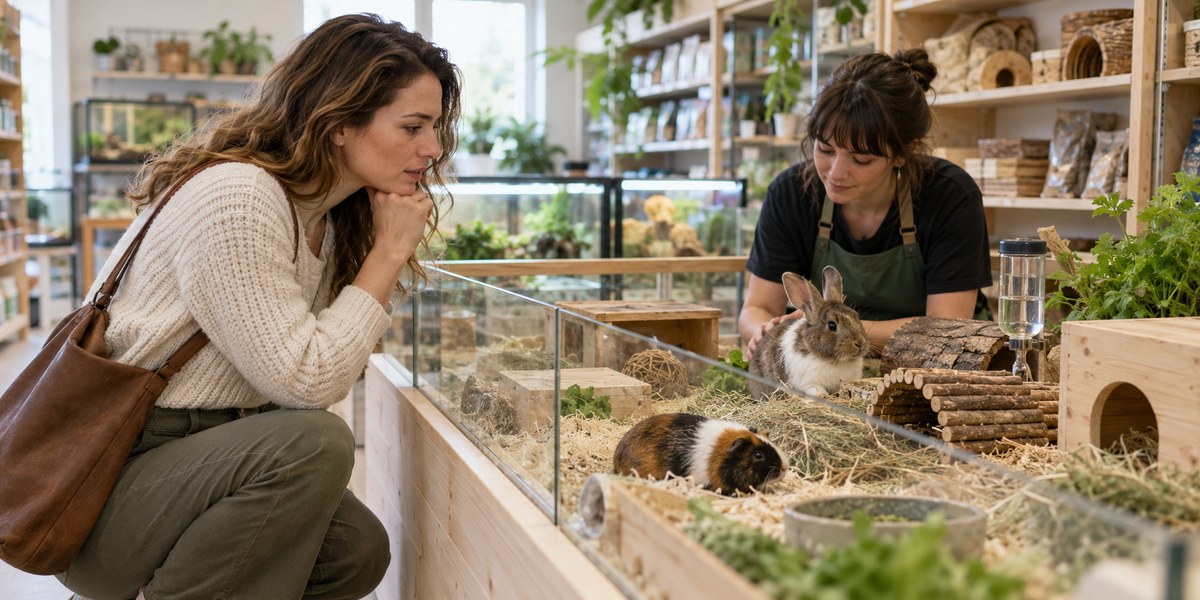
The same is true for kittens and many small animals like rabbits, hamsters, and guinea pigs. These animals are produced in high volume with little regard for genetic health, socialization, or basic comfort. A store may tell you their animals come from “USDA licensed breeders” but that license mostly covers basic sanitation, not humane treatment. It does not guarantee that the animals received love, exercise, or proper medical attention.
“The average consumer has no idea that the cute puppy in the window likely came from a facility where its mother lives in a cage the size of a filing cabinet drawer. The pet store industry has spent decades hiding this connection.” – Source: The Humane Society of the United States, 2025 report on pet retail.
How to Tell If a Pet Store Is Ethical
Not all pet stores are the same. Some are changing their model. A small but growing number of stores have committed to never selling dogs, cats, or rabbits. Instead, they host adoption events for local shelters. Others sell only fish and reptiles, which have different welfare concerns. But many still sell puppies and kittens. To figure out if a store is ethical, you need to ask the right questions.
Here is a checklist to use before you even walk through the door:
- Does the store sell puppies or kittens? If yes, that is a major red flag. Almost all of them come from commercial breeders.
- Can they show you the breeder’s license and facility records? A truly ethical store will have this information ready and visible. If they are vague or refuse, that is a bad sign.
- Do they offer to let you visit the breeding facility? Most will not, because they know you would be horrified by what you see.
- Do they partner with local rescues and shelters? Some stores now have adoption centers where you can meet shelter animals. That is a much better sign.
- Do the animals look healthy and active? Look for clear eyes, clean coats, and a clean enclosure. But do not let healthy looking animals fool you. Even healthy looking puppies can come from miserable conditions.
- What happens to animals that do not sell? Ethical stores have a plan. Unethical stores may return them to the breeder or, in some cases, surrender them to a shelter.
A Table to Compare Store Types
| Store Type | Typical Animal Source | Welfare Risk | Ethical Score |
|---|---|---|---|
| Large chain selling puppies | Commercial breeders / puppy mills | Very high | Poor |
| Independent pet store selling kittens | Backyard breeders or mills | High | Poor |
| Store with rescue adoption center | Local shelters and rescues | Low | Good |
| Store selling only fish and supplies | Aquaculture farms / wild caught | Medium | Mixed |
| Store selling only pet supplies | No live animals | None | Excellent |
The Problem with “Adopt Don’t Shop” and Why It Still Matters
You have probably heard the slogan “Adopt Don’t Shop.” It is simple and powerful. The idea is that by adopting from a shelter, you save a life and do not fund the breeding industry. Some critics argue that this slogan shames people who buy from breeders. But when it comes to pet stores, the case is clear. Buying a puppy from a pet store directly funds the puppy mill industry. There is no way around it.
Even if a store claims to use a “local hobby breeder,” that breeder is still adding to the pet overpopulation problem. Shelters across the United States are overflowing. In 2026, many shelters are reporting record intakes. Every animal bought from a store is an animal that did not get a home from a shelter. It is a missed chance to save a life.
What About Pet Stores That Sell Birds, Reptiles, and Fish?
This is a more complex area. The question “are pet stores ethical?” does not only apply to dogs and cats. Birds, reptiles, and fish also suffer in the pet trade. Many small birds are taken from the wild or bred in cramped aviaries. Reptiles often arrive at stores dehydrated and stressed. Fish may die during transport or be kept in tanks that are too small.
If you are considering a reptile or fish, research the specific species. Some are captive bred and can be kept humanely. Others are nearly impossible to keep healthy in a home aquarium. A good rule of thumb is to find a specialty store that focuses on one type of animal and has knowledgeable staff who can tell you exactly where the animal came from.
Steps to Make an Ethical Choice
If you are ready to bring a new pet into your home, here is a practical list of steps to follow. These steps will help you avoid supporting unethical practices.
- Visit your local animal shelter first. Spend time with the animals there. You may be surprised by the variety of breeds and ages available. Shelters have purebred dogs, mixed breeds, kittens, adult cats, rabbits, and even birds and reptiles sometimes.
- Search online for rescue groups. There are breed specific rescues for almost every type of dog. There are also rescues for rabbits, guinea pigs, and birds. A quick internet search will connect you with people who are dedicated to finding homes for animals in need.
- If you need a specific breed, find a responsible breeder. A good breeder will let you visit their home, see the parents, and show you health clearances. They will not sell to a pet store. They care about where their puppies end up.
- Avoid any store that sells live mammals. This is the simplest rule. If a store sells puppies, kittens, or rabbits, do not buy anything there. Your money supports the entire system.
- Support pet stores that only sell supplies. Many excellent pet supply stores do not sell live animals. They focus on food, toys, and bedding. By shopping there, you get what you need without funding animal suffering.
The Bigger Picture: Pet Stores and the Law
Laws about pet stores are changing. As of 2026, several states and hundreds of cities have passed laws banning the sale of commercially bred dogs and cats in pet stores. California, New York, Maryland, and Illinois are among the states with strong laws. But many states still have no restrictions. This means that in large parts of the country, puppy mills still have a direct pipeline to store shelves.
You can help change this. If you live in a state without a ban, consider contacting your local representatives. Ask them to support a bill that would stop pet stores from selling commercially bred animals. This is one of the most effective ways to answer the question “are pet stores ethical?” with action.
For more ideas on how to get involved, you can read about how to lobby your local government for stronger animal protection laws in 2026. Even small steps at the local level can create big changes.
What You Can Do Right Now
You do not have to wait for the laws to change. You have power as a consumer. Every dollar you spend is a vote for the kind of world you want to live in. If you stop spending money at pet stores that sell live animals, they will eventually change their business model. It is simple economics.
Here are a few things you can do today:
- Tell your friends and family. Share what you have learned. Many people simply do not know that pet stores are linked to puppy mills.
- Write a review. If you see a pet store selling puppies, leave an honest review online. Tell others what you know about their sourcing.
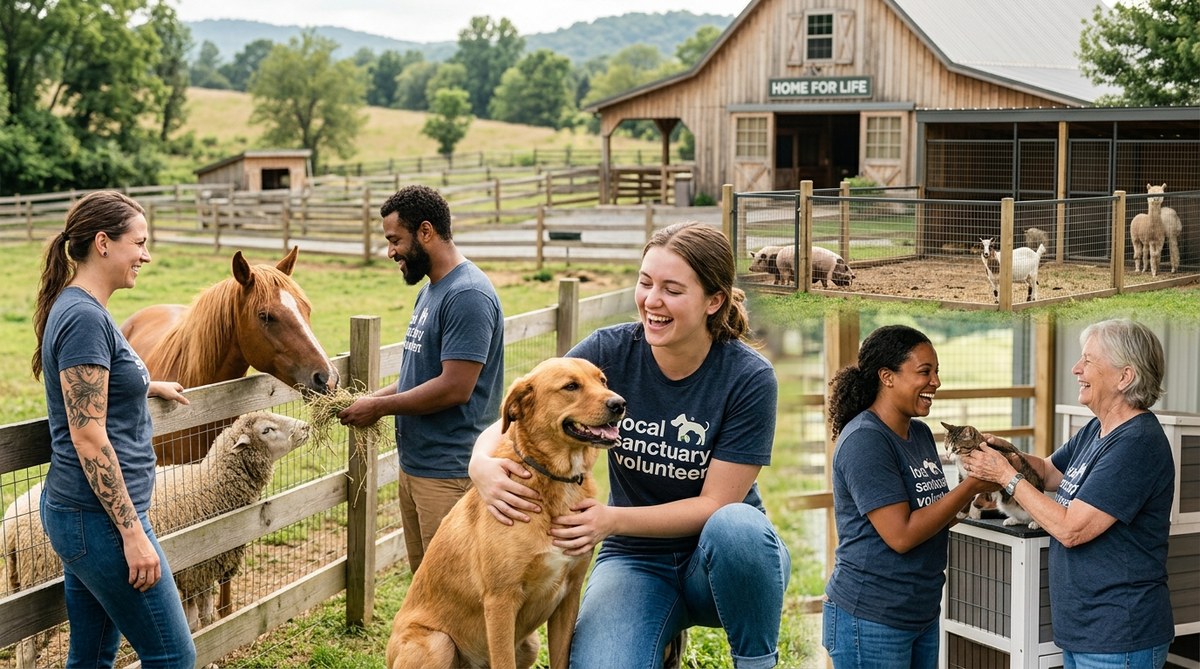
- Support your local shelter. Shelters always need donations, volunteers, and foster homes. You can find how to get started as a volunteer for local animal shelters on our site.
- Adopt your next pet. When you are ready for a new family member, choose adoption. It is the most direct way to break the cycle.
Making the Decision That Feels Right
The question “are pet stores ethical?” does not have a simple yes or no answer for every single store. But for the vast majority of stores that sell live animals, the answer is no. The system is broken. It treats living beings like products. As a conscientious pet owner, you have the power to choose a different path. You can choose to adopt. You can choose to support stores that do not sell animals. You can choose to be part of the solution.
Bringing a pet into your home should be a joyful experience. It should not be clouded by guilt or uncertainty. By making an informed choice, you can feel good about where your new family member came from. And you can know that you did not contribute to the suffering of other animals in the process.
For more guidance on responsible pet ownership, check out the ultimate guide to ethical pet ownership and responsible care. It is full of practical advice for building a loving, ethical home for your pet.
A Final Thought on Your Shopping Choices
The next time you walk past a pet store with puppies in the window, you will see it differently. You will know what is likely happening behind the scenes. That awareness is the first step. The second step is choosing to act on it. Whether you adopt a shelter pet, volunteer at a rescue, or simply stop shopping at stores that sell live animals, you are making a difference. Your choices matter. And together, we can create a world where the answer to “are pet stores ethical?” is a clear and honest yes.