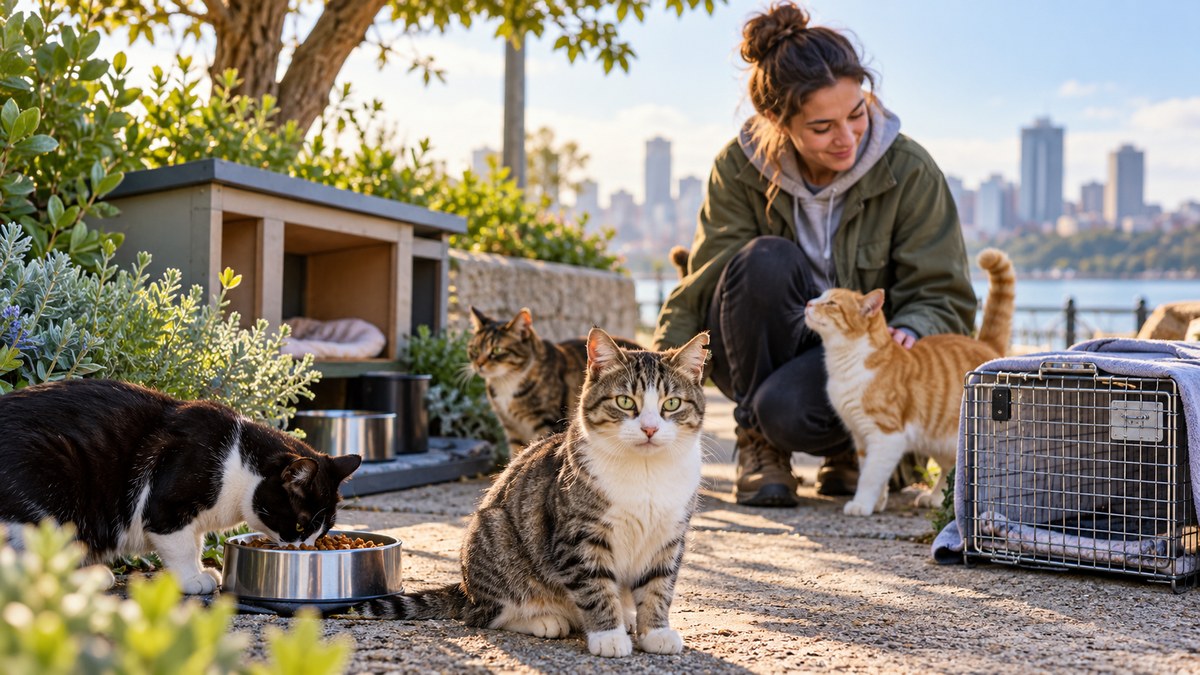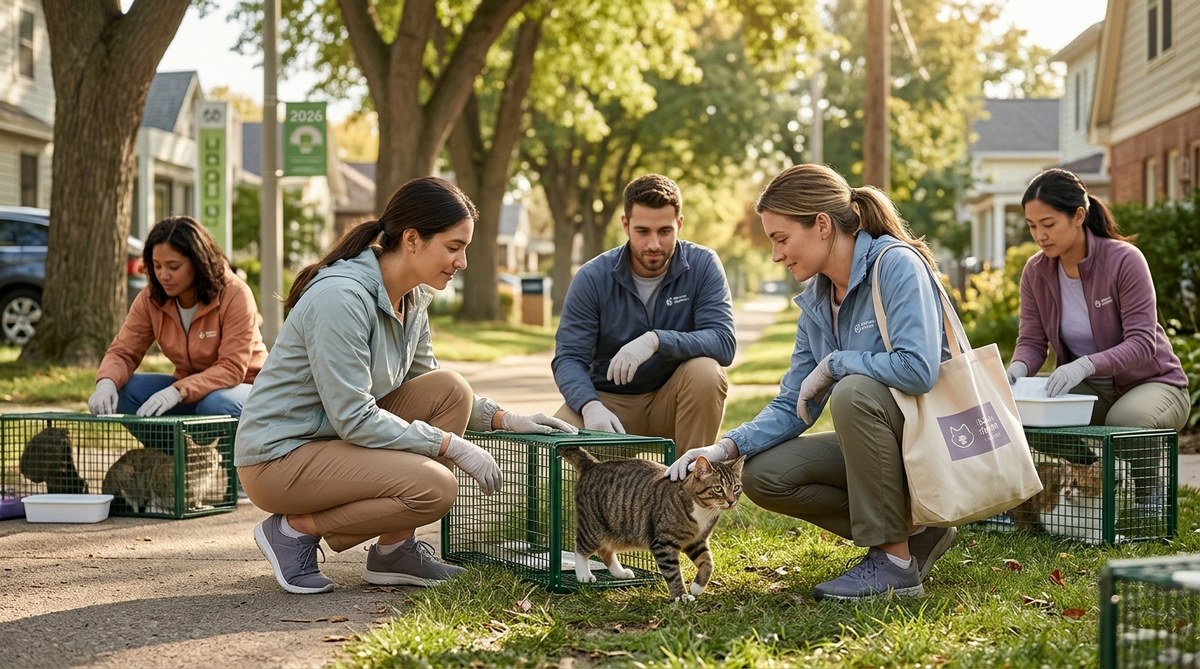
For anyone who has ever watched a stray cat slip through a gap in a fence, or worried about the health of a colony living behind a shopping center, the question feels urgent: what actually works? For decades, communities tried trapping and removing cats, only to see new groups move in. The cycle was exhausting, expensive, and heartbreaking. In 2026, we have a better answer. Trap-Neuter-Return (TNR) programs have matured into the most effective, humane, and widely accepted method for managing community cat populations. This is not a theory. It is a proven strategy backed by data, supported by major animal welfare organizations, and put into practice by thousands of volunteers across the United States.
TNR programs are the standard of care for managing community cat populations in 2026. By humanely trapping, spaying or neutering, vaccinating, and returning cats to their outdoor homes, these programs stop breeding, reduce nuisance behaviors, and improve feline health. Shelters see lower intake numbers, volunteers save more lives, and cats live better lives in stable colonies.
What TNR Actually Means for Cats and Communities
Trap-Neuter-Return is a three step process. First, community cats are humanely trapped using box traps. Second, they are taken to a veterinary clinic where they are spayed or neutered, vaccinated, and often ear-tipped for identification. Third, after recovery, they are returned to their original outdoor territory. The entire goal is to stop the breeding cycle.
A single unspayed female cat can produce dozens of kittens in a year. Those kittens can start reproducing at four months old. The math adds up fast. By sterilizing the cats already living in a colony, TNR programs slowly shrink the population over time. No new kittens means the colony naturally declines as older cats pass away. It is a gentle, steady solution.
Why TNR Works Better Than Removal
The old method of trap and remove sounds logical at first. Take the cats away and the problem is solved. But nature does not work that way. Outdoor cats are territorial. When a territory empties, new cats from surrounding areas move in to fill the vacuum. This is called the vacuum effect. Removal creates a rotating door of cats, each new group bringing its own health risks and reproductive potential.
TNR stops the vacuum effect. Neutered cats stay in their territory and defend it from newcomers. They do not breed, so the colony size stabilizes and eventually drops. Shelters benefit too. Fewer kittens and adult cats entering the system means less overcrowding, lower euthanasia rates, and more resources for adoptable pets. For municipal policymakers, this translates into real cost savings.
The Proven Benefits of TNR Programs in 2026
Research from the last decade has solidified what advocates already suspected. TNR programs produce measurable, positive outcomes.
- Population reduction over time. Multiple long term studies show that consistent TNR efforts lead to a 30 to 50 percent decline in colony size within three to five years.
- Lower shelter intake. Communities with active TNR programs report fewer stray cats brought to shelters. This frees up kennel space and staff time.
- Improved cat health. Vaccinated, sterilized cats have lower rates of disease, fewer injuries from fighting, and better body condition scores.
- Reduced nuisance behaviors. Neutered males roam less, spray less, and fight less. Complaints from neighbors often drop after a colony is stabilized.
- Community engagement. TNR brings volunteers, local veterinarians, and municipal officials together. It builds a sense of shared responsibility.
How to Start a TNR Program in Your Area
Starting a TNR program does not require a huge budget or a professional staff. It requires commitment, organization, and a willingness to learn. Here is a practical sequence of steps that works in most communities.
- Assess the colony. Spend time observing the cats. Count them. Note their approximate ages, health status, and any friendly individuals who might be adoptable. Keep a log of feeding locations and shelter spots.
- Build a team. Find at least two or three other people who can help with trapping, transport, and recovery care. Contact local rescue groups and veterinary clinics to establish partnerships.
- Secure a veterinary partner. Many clinics offer discounted spay and neuter services for community cats. Some even have mobile clinics. Ask about ear tipping and vaccination packages.
- Gather equipment. You will need humane box traps, trap covers, transport carriers, and feeding supplies. Most rescue groups lend or rent traps to new volunteers.
- Set trapping dates. Coordinate with your veterinary partner. Trap the night before the appointment. Use smelly bait like sardines or rotisserie chicken. Cover traps and check them early in the morning.
- Transport and recover. Bring cats to the clinic in covered carriers. After surgery, allow them to recover in a quiet, warm space for 24 to 48 hours. Return them to their exact trapping location.
- Monitor and maintain. Continue feeding and monitoring the colony. Trap any new cats that appear. Keep records of every cat processed.
Common Mistakes and How to Avoid Them
Even well intentioned TNR efforts can hit roadblocks. Knowing what to watch for makes a big difference.
| Mistake | Why It Hurts the Program | Better Approach |
|---|---|---|
| Trapping without a vet appointment | Cats stay in traps too long, causing stress and injury | Always schedule surgery before setting traps |
| Returning cats to unfamiliar locations | Cats get disoriented, wander into traffic, or fight with resident colonies | Always return to the exact trapping site |
| Skipping ear tips or identification marks | Hard to track which cats are already neutered | Use a standard ear tip or tattoo for each sterilized cat |
| Feeding without trapping | Attracts new cats and sustains breeding without population control | Pair feeding with active TNR, or reduce feeding until trapping begins |
| Ignoring friendly or socialized cats | Misses opportunities for adoption | Test for socialization; friendly cats can be placed in homes |
“The single most important factor in a successful TNR program is consistency. One round of trapping helps. A sustained, year after year commitment transforms a community.” — Dr. Sarah Kellogg, community cat veterinarian with over 15 years of field experience.
Building Support from Local Government
Policymakers care about results, cost, and public opinion. TNR delivers on all three. When approaching your city council or animal control department, bring data. Show them the reduction in shelter intake numbers from comparable cities. Share the cost per cat for a spay and neuter versus the cost of housing, feeding, and euthanizing animals in a shelter. Emphasize that TNR reduces complaints from residents.
Many municipalities have already passed ordinances that formally support TNR. In 2026, cities like Austin, Los Angeles, and Jacksonville have robust programs that serve as models. If your town does not have a policy yet, you can learn how to lobby your local government for stronger animal protection laws in 2026. Start by asking for a pilot program in one neighborhood. Prove it works, then scale up.
What Volunteers and Caretakers Can Do Right Now
You do not need to wait for a city ordinance to start helping. Individual actions add up.
- Get trained. Attend a TNR workshop hosted by a local rescue group or national organization like Alley Cat Allies.
- Volunteer with an existing program. Many groups need drivers, trappers, and recovery caregivers. Your time is valuable.
- Spread accurate information. Correct myths about TNR when you hear them. Explain that neutered cats do not overpopulate, and that removal does not work.
- Support low cost clinics. Donate to or fundraise for veterinary partners that provide discounted spay and neuter services.
- Foster socialized kittens. Kittens born to community cats can often be tamed and adopted. Fostering them removes them from the breeding pool and finds them homes.
If you are looking for more ways to contribute, check out these top ways to support animal rescue missions in your community. Every small step strengthens the network of care.
Addressing Concerns About Wildlife and Public Health
Some critics worry about the impact of outdoor cats on birds and small wildlife. Others question the safety of letting sterilized cats remain outside. These are valid concerns, and TNR programs address them directly.
Vaccinated, well fed cats are healthier and less driven to hunt. A stable colony with a consistent food source reduces pressure on local wildlife compared to an unmanaged, breeding population. Additionally, TNR programs often include rabies vaccination and parasite treatment, which lowers public health risks. The alternative, unmanaged colonies, poses far greater risks to both wildlife and people.
The Future of TNR in 2026 and Beyond
The landscape of community cat management continues to evolve. New technologies like electronic trap alerts and smartphone based colony tracking apps make it easier for volunteers to coordinate. More veterinary schools are including high volume spay and neuter training in their curricula. And public awareness has shifted dramatically. Most Americans now support humane population control over lethal methods.
But the core of TNR remains the same. It is neighbor helping neighbor. It is a volunteer staying up late to check a trap. It is a clinic donating surgery time. It is a colony of cats living out their lives in peace, without adding to the overcrowding crisis.
Your Role in a Humane Future
You already care enough to read this far. That means you are part of the solution. Whether you are a policymaker looking for data, a caretaker feeding a colony behind your apartment building, or an advocate trying to change local laws, you have a place in this work. TNR programs for community cats in 2026 are not just effective. They are a reflection of how we choose to treat the animals that share our neighborhoods.
Start small. Pick one colony. Find one partner. Schedule one spay day. The results will speak for themselves. And if you need inspiration, read some inspiring rescue transformations that show the power of compassion. Every cat that gets neutered, vaccinated, and returned is a life changed for the better.
The work is steady. The outcome is certain. And the cats are counting on us.