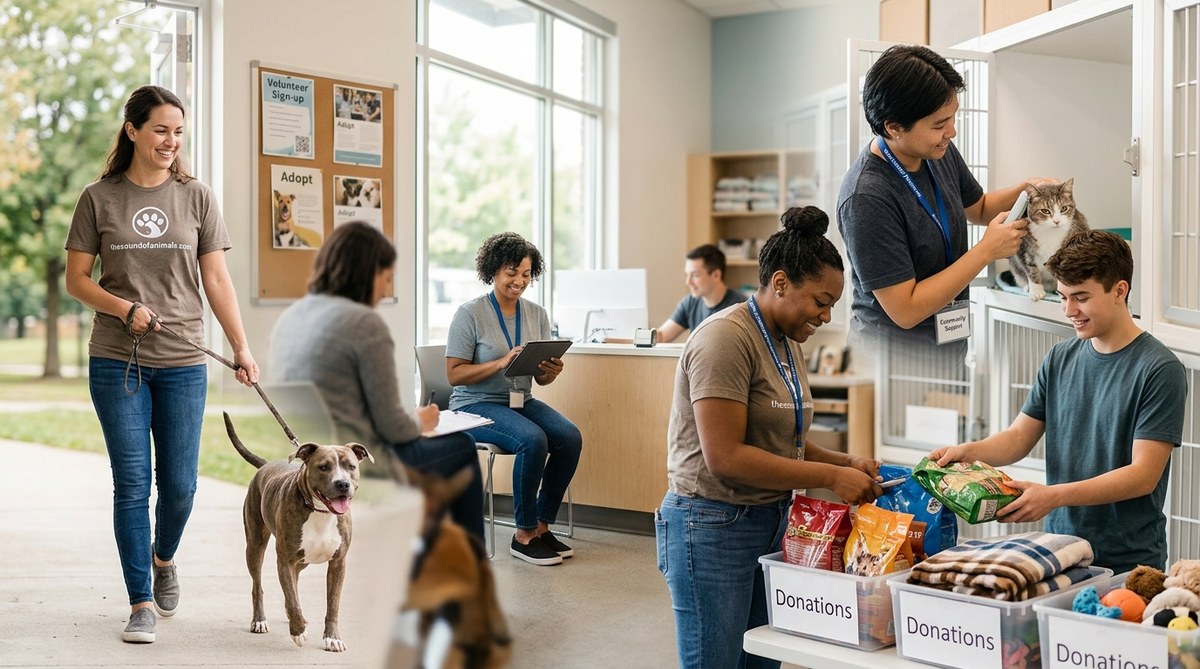
Supporting animal rescue missions in your community is a meaningful way to make a difference. Whether you are an animal lover or a concerned community member, your efforts can save lives and improve the well-being of countless pets. From volunteering your time to spreading awareness, every action contributes to stronger rescue networks and happier endings for animals in need.
Supporting animal rescue missions in your community can be achieved through donations, volunteering, fostering, and advocacy. Small actions collectively create a big impact, saving lives and fostering a community that cares for its animals.
Ways to support animal rescue missions in your community
Helping local rescue efforts is about more than just giving money. It involves a range of practical actions that can significantly improve the lives of homeless animals. Here are some effective ways you can lend your support.
1. Volunteer your time and skills
Volunteering is one of the most direct ways to support rescue missions. Shelters and rescue groups often need help with daily operations, administrative work, and special events. You might assist with cleaning enclosures, walking dogs, socializing cats, or helping at adoption fairs. Your presence can also boost the morale of staff and other volunteers.
- Look for local shelters or rescue groups that accept volunteers. Many have specific training programs or orientation sessions.
- Use your unique talents. If you’re a photographer, you can help with adoption photos. If you’re good at social media, you can promote animals in need.
“Giving your time to rescue efforts not only helps animals but also builds a stronger, more compassionate community,” advises local animal shelter director Sarah Johnson.
2. Make donations to rescue organizations
Financial support allows rescue groups to purchase supplies, fund medical treatments, and expand their facilities. Even small donations can add up and make a real difference.
- Monetary donations help cover veterinary bills, food, and shelter costs.
- Many organizations also accept gift cards for pet supplies or equipment.
To ensure your contributions go to reputable groups, research local rescue organizations and consider giving to those with transparent financial practices. You can find trusted organizations through GuideStar or similar platforms.
3. Foster animals in need
Fostering provides temporary homes for animals until they find permanent families. It is especially helpful for animals that require special care or are shy around strangers.
Steps to foster:
1. Contact your local shelter or rescue group to learn about their foster program.
2. Prepare your home with basic supplies like beds, toys, and food.
3. Complete any necessary training or background checks.
4. Welcome your new furry guest and provide love and care.
Fostering not only saves lives but also helps animals become more adoptable by socializing them in a home environment.
4. Advocate and raise awareness
Many community members are unaware of the needs of local rescue organizations. Raising awareness can lead to more support, donations, and adoptions.
- Share stories and photos of animals needing homes on your social media channels.
- Host or participate in community events like adoption fairs or educational workshops.
- Distribute flyers or posters about local rescue efforts and how to support them.
Using your voice can inspire others to get involved and create a ripple effect of kindness.
5. Donate supplies and essentials
Rescue organizations often operate on limited budgets and rely heavily on community support. Donating items from their wish lists can be incredibly helpful.
Common needs include:
– Dog and cat food
– Leashes, collars, and harnesses
– Bedding and blankets
– Cleaning supplies and disinfectants
– Toys and enrichment items
Check with your local shelter to see their specific needs before dropping off donations. Many also appreciate gently used crates, carriers, or towels.
6. Support spay and neuter programs
Overpopulation is a primary cause of shelter overcrowding. Supporting spay and neuter initiatives directly reduces the number of unwanted animals and lessens the burden on rescue organizations.
- Sponsor or fund spay/neuter surgeries.
- Volunteer with programs that offer low-cost or free surgeries.
- Educate your community about responsible pet ownership.
Preventing unwanted litters is a preventative measure that benefits everyone involved.
7. Organize or participate in fundraising events
Fundraising events can generate much-needed funds and community awareness. Ideas include bake sales, charity runs, or online crowdfunding campaigns.
- Partner with local businesses for sponsorships.
- Use platforms like GoFundMe to reach a broader audience.
- Promote your event through flyers, social media, and local media outlets.
Every dollar raised can help rescue animals receive necessary care and find loving homes.
8. Advocate for stronger animal protection laws
Policy changes can have a lasting impact on animal welfare. Supporting local legislation that promotes responsible pet ownership, anti-cruelty laws, and shelter funding can improve rescue efforts.
- Attend city council meetings and voice your support.
- Write letters or emails to policymakers.
- Join advocacy groups focused on animal rights.
Your involvement can help shape a community that prioritizes animal well-being.
9. Educate children and youth about animal kindness
Instilling compassion in young people ensures future generations continue supporting rescue efforts.
- Host school presentations about responsible pet care.
- Encourage youth participation in community service projects.
- Create activities that teach empathy and respect for animals.
Building a culture of kindness starts with education.
10. Adopt rather than shop
Adopting a pet from your local shelter or rescue group gives an animal a second chance. It’s a tangible way to support rescue missions directly.
- Visit shelters regularly to meet available animals.
- Prepare your home and family for a new pet.
- Share your adoption story to inspire others.
Adoption reduces demand for puppy mills and contributes to the overall health of rescue efforts.
Techniques and common pitfalls in supporting rescue missions
| Technique | Mistakes to avoid |
|---|---|
| Consistent volunteering | Overcommitting and burning out |
| Regular donations | Giving to unverified organizations |
| Fostering animals | Not preparing your home properly |
| Advocacy and awareness | Spreading misinformation |
| Supplies donations | Ignoring specific needs of shelters |
| Supporting spay/neuter | Focusing solely on adoption |
| Fundraising | Underestimating the effort needed |
| Policy advocacy | Ignoring local laws and regulations |
| Education programs | Using fear rather than positive messaging |
| Pet adoption | Rushing into decisions without research |
Expert advice on community support
“Every community has the power to create a positive impact for its animals. When residents come together through volunteering, donations, and advocacy, rescue missions thrive and save more lives,” says Dr. Emily Carter, a veterinarian and animal welfare advocate.
Making a lasting difference in your community
Supporting local animal rescue efforts is about more than just one action. It is a continuous commitment to kindness and community well-being. Start by choosing one or two ways to help, and gradually expand your involvement. Whether you volunteer at a shelter, foster animals, or advocate for better laws, each step counts.
Small acts of compassion ripple outward, creating a community where animals are valued and protected. Your dedication can turn the tide for animals in need and inspire others to join the cause.
Your next step toward community-driven rescue support
Take the initiative today. Reach out to your local rescue organizations, find out what they need most, and see how you can make a difference. Together, we can build a community that not only cares but acts to save and improve the lives of our furry friends.