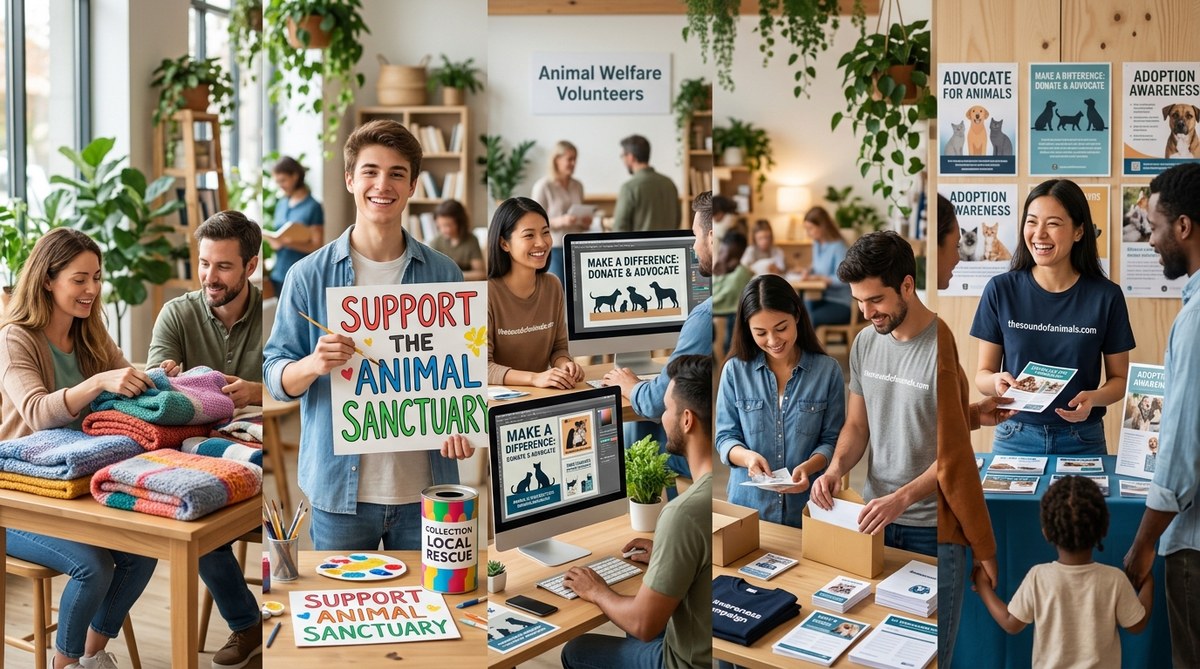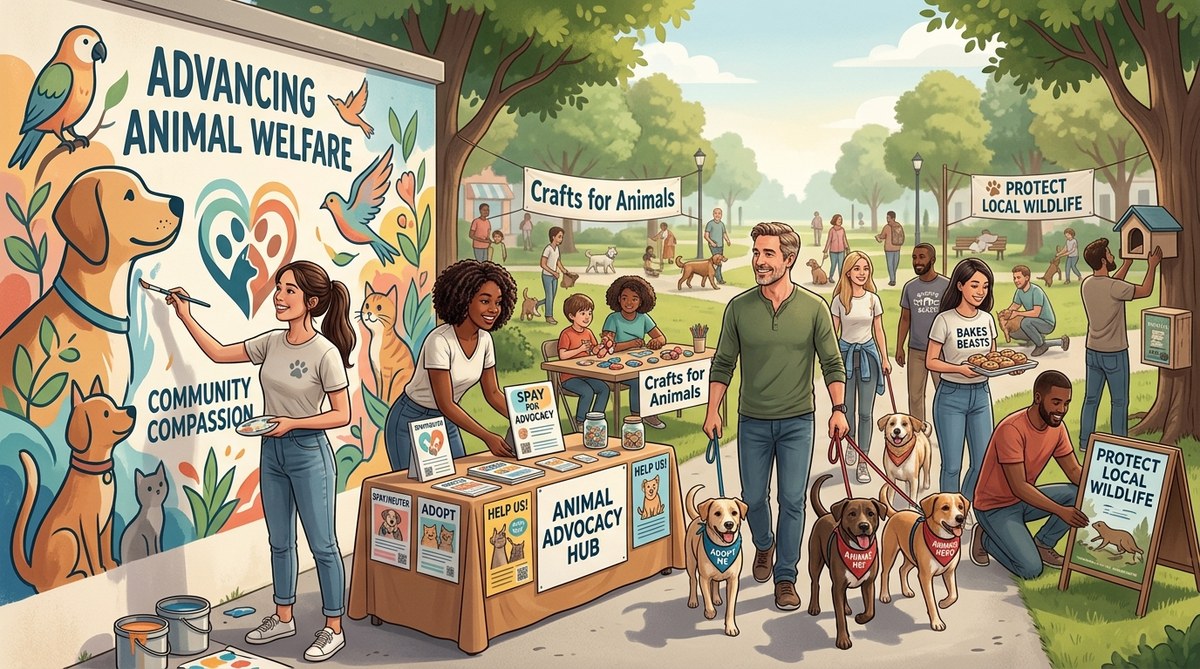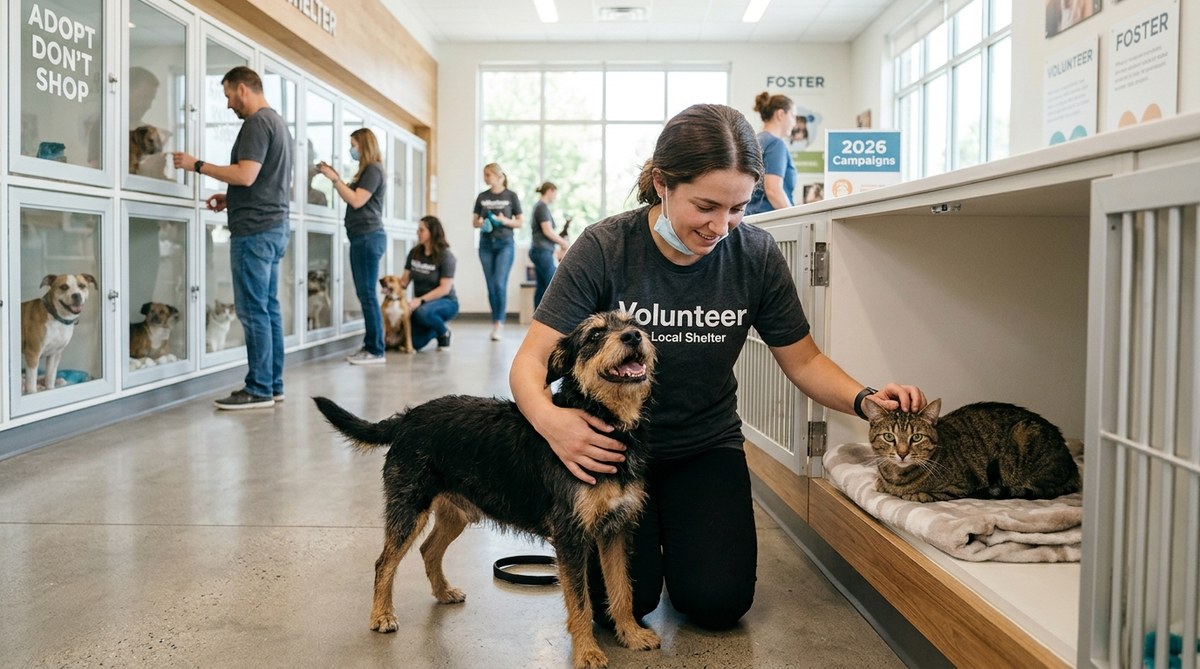
Your local animal shelter is in trouble. Not because people stopped loving animals, but because the number of pets coming through their doors keeps climbing. In 2026, shelters across the United States are reporting record intake numbers. More families are surrendering pets due to rising costs of living, landlords no longer accepting animals, and a lingering housing crisis. At the same time, the volunteer base that keeps these shelters running has not kept pace. The result is a system stretched thin, with stressed staff, fewer walks for dogs, and less one-on-one time for cats waiting for adoption. The good news is that you do not need to adopt a pet to make a difference. You just need to show up.
Animal shelters in 2026 are facing a critical shortage of volunteers due to rising pet surrenders and post-pandemic staffing gaps. You do not need to adopt or work directly with animals to help. Simple acts like walking dogs, cleaning kennels, answering phones, or donating supplies free up staff to focus on medical care and adoptions. Even two hours a month can prevent burnout and save lives.
The Real Reasons Behind the 2026 Shelter Crisis
The term “overcrowding” gets thrown around a lot, but the reality is more layered. Shelters are not just full. They are understaffed. When a shelter has only three employees to manage fifty animals, the quality of care drops fast. This is why animal shelters need volunteers in 2026 more than ever before.
Several factors have converged to create this perfect storm:
- Post-pandemic pet returns. Many people adopted pets during 2020 and 2021. Now those animals are reaching their adolescent years, and some owners are surrendering them because of behavior issues or lifestyle changes.
- The housing affordability crisis. More renters are moving into smaller apartments or shared housing that does not allow pets. Landlords have raised pet deposits, making it harder for families to keep their animals.
- Veterinary staffing shortages. Clinics are booked weeks out. Shelters cannot get animals spayed or neutered fast enough, which leads to more litters being born and brought in.
- Burnout among existing volunteers. The same dedicated group of people has been carrying the load since the pandemic. Many are tired, older, or dealing with their own health issues.
“Last year we had to turn away ten volunteers who wanted to help with dog walking because we did not have enough staff to supervise them. That is the paradox. We need people, but we cannot orient them fast enough.” – Sarah Mendez, Operations Director at Oakwood County Animal Shelter
What Your Local Shelter Actually Needs From You
Most people think volunteering means cleaning cages or handling scared animals. While those tasks are vital, shelters have a much wider range of needs. Here is a numbered list of the most common roles you can fill:
- Dog walking and socialization. Dogs that sit in kennels all day develop anxiety and bad habits. A twenty minute walk reduces stress and makes them more adoptable. Shelters need people who can commit to a regular weekly shift.
- Front desk and administrative support. Answering phones, greeting potential adopters, and managing paperwork frees up the medical team. If you have office skills, you are valuable.
- Laundry and cleaning. This is not glamorous, but it is essential. Towels, bedding, and kennels need constant washing. A single shelter can go through fifty loads of laundry a day.
- Foster care. Taking an animal into your home for a few weeks frees up a kennel space. This is especially critical for kittens, puppies, and animals recovering from surgery.
- Transport and errands. Many shelters need drivers to take animals to vet appointments or to transport supplies between locations. If you have a car and a few free hours, you can help.
Shelters also need help with tasks that do not involve touching animals at all. You could organize a supply drive at your workplace, manage their social media page, or help with grant writing. Every skill set has a place.
A Practical Guide to Getting Started Today
If you are ready to act but do not know where to begin, follow this process. It is designed to remove the guesswork and get you into a routine that sticks.
| Step | Action | Common Mistake to Avoid |
|---|---|---|
| 1 | Call or email your local shelter to ask about their current volunteer needs. | Assuming they need the same thing as last year. Needs change monthly. |
| 2 | Attend a volunteer orientation session. Most shelters offer them once a month. | Skipping orientation because you think you already know the basics. Rules change. |
| 3 | Start with one shift every two weeks. Consistency matters more than frequency. | Overcommitting and burning out within a month. |
| 4 | Ask for feedback after your first few shifts. | Staying silent if you feel uncomfortable with a specific task. |
| 5 | Recruit a friend to join you. It makes the work more enjoyable. | Going alone and feeling isolated. |
Common Myths That Stop People From Helping
A lot of well-meaning people hold back because they believe something that simply is not true. Let us clear up a few of those myths.
Myth: You need experience with animals.
Most shelters train you on the job. They do not expect you to know how to handle a reactive dog on day one. They just expect you to follow instructions and stay calm.
Myth: It will be too sad.
Yes, you will see animals that have been through hard times. But you will also see them get adopted. You will see scared tails start wagging. The joy outweighs the sadness.
Myth: You have to commit to a long term schedule.
Many shelters welcome drop-in volunteers for specific tasks like laundry or yard work. If your schedule is unpredictable, ask about flexible options.
Myth: You cannot help if you are allergic.
There are plenty of roles that do not involve direct contact. You can answer phones, manage the website, or help with fundraising from a separate room.
How to Support Without Volunteering In Person
Maybe your schedule is packed. Maybe you have health issues that prevent you from being on your feet. You still have ways to contribute. Check out these top 10 simple ways to support animal rescue efforts from home for ideas that fit a busy lifestyle.
Here are a few options that require zero travel:
- Donate through an online wishlist. Shelters always need unopened bags of food, kitten formula, cleaning supplies, and sturdy towels. Amazon and Chewy allow you to ship directly to the shelter.
- Share adoption posts on social media. A single share can reach someone who is ready to adopt. It takes ten seconds.
- Start a neighborhood pet food drive. Collect donations from your block and drop them off once a month. You can learn more about how to start a neighborhood pet food drive for shelters in need.
- Write a positive review. Shelters rely on community reputation. A five star review on Google or Yelp helps them attract more adopters and donors.
What Happens When the Community Steps Up
When a shelter has a steady stream of volunteers, the entire ecosystem improves. Kennels stay cleaner. Animals get walked twice a day instead of once. Staff can spend more time on medical care and adoption counseling. The adoption rate goes up, and the length of stay goes down. It creates a cycle of success that benefits everyone.
Consider the story of the Tri-County Humane Society in Minnesota. In 2025, they launched a volunteer recruitment drive focused on weekday morning shifts, which were their biggest gap. Within three months, they had twenty new regulars. Their average dog stay dropped from 34 days to 22 days. That is the power of consistent help.
The One Thing You Can Do Right Now
You do not need to wait for a formal orientation. You do not need to buy special gear. Here is the simplest action you can take today: open your browser, search for your local animal shelter’s website, and look for a “Volunteer” or “Get Involved” page. Fill out the contact form. That is it. You are not committing to anything yet. You are just expressing interest. The shelter will reach out to you with next steps.
If you want to go a step further, read up on how to get started as a volunteer for local animal shelters to prepare yourself for what to expect.
Your Time Is Worth More Than You Think
In 2026, shelters are not asking for a huge time commitment. They are asking for reliability. A person who shows up for two hours every other Saturday is worth more than someone who comes for a full day once and never returns. Consistency builds trust. Trust allows staff to delegate more tasks to you. And that delegation is what keeps the shelter running.
You might feel like one person cannot make a dent in a system that is overwhelmed. But shelters are made up of individual animals, each one needing a single person to notice them. You could be that person for a dog who has been waiting 90 days for a family. You could be the reason a scared cat finally lets someone pet her.
The need is real. The ask is simple. And the reward is watching an animal walk out the front door with a new family, knowing you played a part in that moment. If you are still unsure, take a look at some inspiring rescue transformations that show the power of compassion. They might give you the nudge you need.
Your local animal shelter is not a distant cause. It is a neighbor. It is a building down the street where animals are waiting. And right now, in 2026, they need you more than ever.