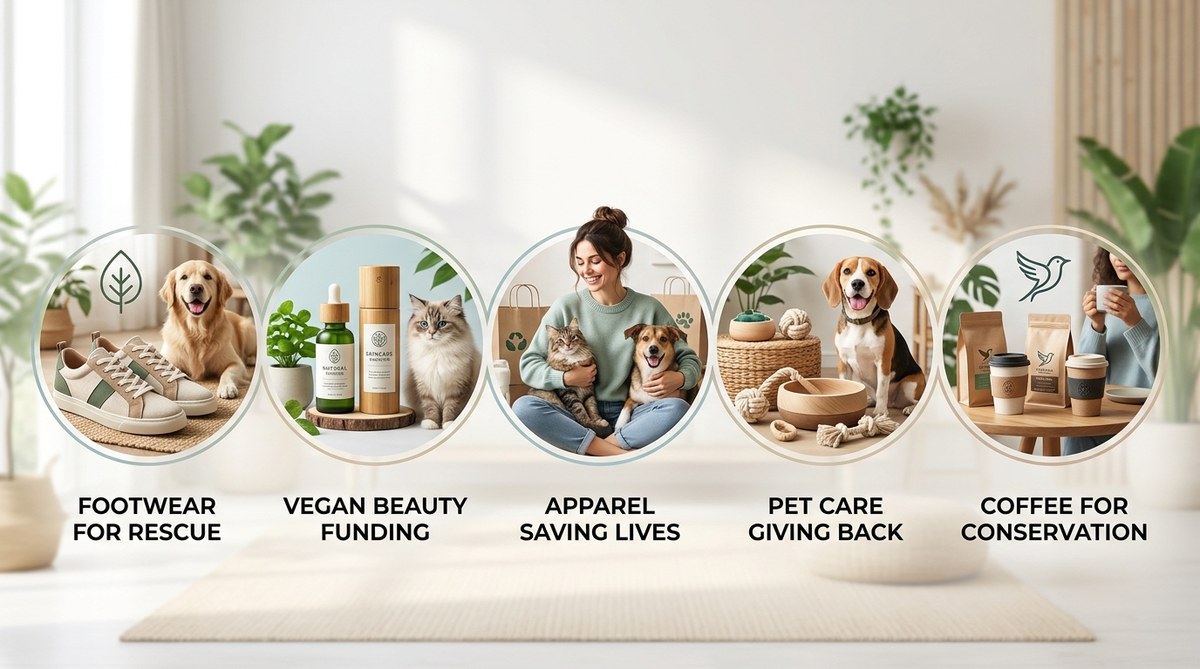
Your shopping cart is more powerful than you think. Every time you buy a new pair of sneakers, a bag of coffee, or a bottle of shampoo, you are casting a vote for the kind of world you want to live in. When you choose brands that donate to animal welfare, that vote becomes a lifeline for shelters, rescue groups, and wildlife conservation projects. The best part? You don’t have to sacrifice quality or style. Many of the most innovative companies today have built giving back into their business model. They prove that profit and purpose can go hand in hand. If you have ever wanted to make a difference but felt unsure where to start, your wallet is the perfect place.
Supporting brands that donate to animal welfare turns everyday purchases into acts of compassion. To shop smart, look for transparency, third-party certifications, and a clear percentage of profits given. Avoid vague language like “a portion of proceeds” without specifics. Pair your purchases with volunteer work and advocacy to amplify your impact. Your dollar is a voice. Use it to protect animals.
Why Your Purchasing Power Matters for Animals
Every dollar spent is a signal to the market. When you buy from companies that publicly support animal welfare, you encourage other businesses to follow suit. This is not just warm and fuzzy thinking. It is basic economics. Consumers in the United States are increasingly demanding ethical options. A 2025 survey found that nearly two out of three Americans would switch to a brand that supports a cause they care about, even if it costs a little more.
Animal welfare is one of those causes that resonates deeply. Whether it is preventing cruelty to pets, protecting endangered species, or improving conditions for farm animals, people want to help. But not everyone can donate hundreds of dollars to a charity. That is where purchase-triggered giving shines. You buy something you need anyway, and the brand makes a donation on your behalf. It is a win-win.
“The most sustainable way to fund animal rescue is to make giving effortless for the average person. When a brand donates automatically with every sale, they remove the barrier of ‘I forgot’ or ‘I’ll do it later.’ That consistency adds up to millions of meals, vaccinations, and adoptions every year.” — Dr. Sarah Mitchell, Director of Animal Welfare Partnerships
What to Look for in Brands That Give Back
Not all giving programs are created equal. Some brands are genuinely committed. Others use animal welfare as a marketing gimmick. To separate the real from the performative, pay attention to three key factors: transparency, percentage, and verifiability.
Transparency
A trustworthy brand will clearly state which organization receives the donation. They will often have a dedicated page on their website explaining their program. Look for specifics like “we donate 5% of profits to the ASPCA” rather than “we support animal causes.”
Percentage of Profits vs. Sales
There is a big difference between donating a percentage of profits and a percentage of revenue. Profits are what remains after expenses. If a company has a bad quarter, that amount could be zero. Donations based on revenue are more reliable because they happen regardless of the bottom line. Many well-known brands use a hybrid model: a fixed minimum donation plus a percentage of revenue on special products.
Third-Party Verification
The gold standard is an external audit or a partnership with a charity watchdog. Organizations like Charity Navigator or the Better Business Bureau’s Wise Giving Alliance can confirm that donations actually reach the intended recipients.
Here is a table to help you evaluate brands you come across:
| What to Look For | Red Flags to Avoid |
|---|---|
| Specific charity name and link | Vague “supporting animal causes” |
| Clear donation amount or percentage | “A portion of proceeds” with no details |
| Annual impact report or update | No public record of donations |
| Third-party certification (e.g., B Corp, Leaping Bunny) | No certifications or expired seals |
| Consistent giving history | Program started and stopped without explanation |
| Alignment with your values (e.g., no animal testing) | Brand also sells products tested on animals |
Types of Brands That Donate to Animal Welfare
You can find animal-friendly giving across almost every product category. Here are some of the most common types:
- Pet food and supplies: Many pet food companies donate meals to shelter animals for every bag sold. Some also sponsor adoption events.
- Apparel and accessories: Conscious clothing brands often partner with wildlife foundations or local rescues.
- Beauty and personal care: Cruelty-free brands frequently donate a share of profits to animal protection groups.
- Home goods: From candles to cleaning products, companies are linking purchases to animal rescue missions.
- Food and beverage: Coffee roasters, snack companies, and even breweries sometimes support farm animal sanctuaries or conservation efforts.
If you want a curated list of specific companies, check out our pillar page on 5 ethical brands that donate a portion of profits to animal welfare. It gives you five solid options to start with.
How to Verify a Brand’s Animal Welfare Claims
You should not have to take a brand’s word for it. Follow these steps to confirm that your purchase actually helps animals.
-
Visit the brand’s “Impact” or “Giving Back” page. Most reputable companies have a section on their website explaining their social responsibility programs. Read the details carefully.
-
Search for the charity on a watchdog site. Go to Charity Navigator, GuideStar, or the Better Business Bureau’s Wise Giving Alliance. Check if the charity is legitimate and how they use donations.
-
Cross-check with the charity directly. Many nonprofits list their corporate partners on their own website. If you see the brand listed there, that is a good sign.
-
Look for an annual giving report. Companies that are serious about transparency publish an annual report with total donations and impact metrics. For example, “In 2025 we donated $450,000 to animal shelters, funding 12,000 spay/neuter surgeries.”
-
Read reviews from ethical consumer communities. Websites and forums like Ethical Consumer, The Good Trade, or Reddit’s r/zerowaste often discuss which brands are truly ethical. Real user experiences can reveal whether a brand’s giving is consistent.
-
Contact customer service. Send a polite email asking for more details about their animal welfare program. How they respond tells you a lot. A detailed, prompt answer suggests they take it seriously. A vague or automated reply is a red flag.
Common Pitfalls When Shopping for Animal Welfare
Even well-intentioned shoppers can get tricked. Avoid these mistakes:
- Assuming all “natural” brands give back. Natural ingredients do not equal charitable giving. Always check separately.
- Buying just because of a cute animal logo. That logo may have no connection to actual donations. Microsoft Word clip art is not a promise.
- Ignoring the company’s own animal testing policy. A brand that donates to wildlife conservation but still tests on rabbits is sending mixed signals. Decide if that matters to you.
- Not considering the charity’s effectiveness. A brand might donate to a large, well-known organization that spends most of its budget on overhead. Look for high impact charities. You can learn more in our guide on top ways to support animal rescue missions in your community.
The Ripple Effect of Conscious Consumerism
When you choose brands that donate to animal welfare, you do more than just fund a charity. You create a ripple effect. Your purchase supports jobs at the brand. It provides resources to the nonprofit. It raises awareness among your friends and family when they see you using a product that gives back. And it pressures competitors to start their own giving programs.
This kind of everyday activism is sustainable. You do not need to host a fundraiser or attend a protest (though those are wonderful too). You just need to shift where you spend money you were already going to spend. Over a year, that shift can amount to significant support for animal welfare organizations.
To deepen your impact, combine shopping with direct action. Consider how to advocate effectively for animal rights in your community. Volunteer at a local shelter, foster an animal, or support animal rescue efforts from home through online fundraising and awareness campaigns. Every layer adds strength.
Your Next Step in Supporting Animal Welfare
You now have the tools to become a more informed and powerful animal advocate through your purchases. Start small. Pick one product category you buy often, like coffee or laundry detergent, and switch to a brand that donates to animal welfare. See how it feels to know your morning cup of coffee helped feed a shelter dog. That good feeling is real, and it grows.
As you become more confident, expand to other categories. Share your discoveries with friends. Post about them on social media. The more people who join this movement, the more brands will respond. Remember, you are not just a consumer. You are a donor, an advocate, and a protector all in one. And the animals are counting on you.