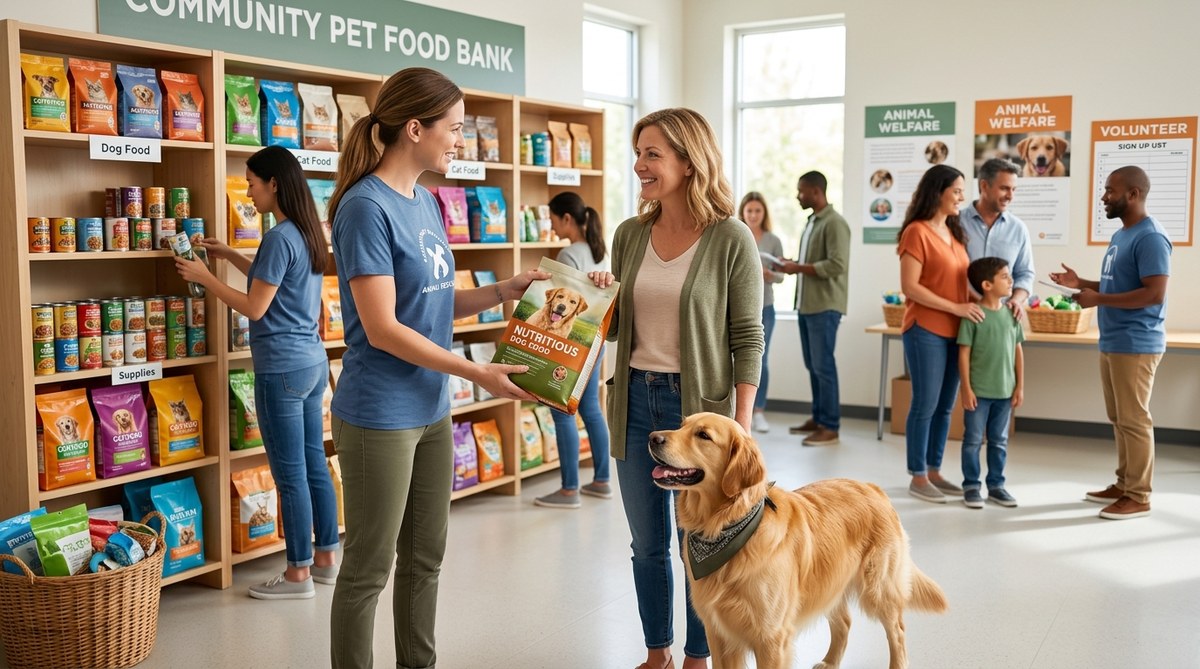
Every day, families across the United States face a painful choice: buy groceries for themselves or buy food for their cat or dog. In 2026, the cost of living keeps climbing, and pet hunger is a real crisis hiding in plain sight. You see the headlines about food insecurity for people, but pets suffer silently alongside their owners. The good news is that you can do something about it. Starting a community pet food bank is a direct, hands-on way to keep pets in loving homes and out of shelters. You do not need a giant budget or a nonprofit degree. You need a plan, some dedicated neighbors, and the willingness to show up. This guide walks you through every step of how to start a pet food bank, from your first conversation to your first distribution day.
A community pet food bank prevents families from surrendering their pets due to financial hardship. This guide covers assessing local need, forming a core team, sourcing food donations, choosing a distribution model, handling legal basics, and promoting your service. You can launch with as little as a storage bin and a handful of volunteers. Start small, stay consistent, and watch your impact grow.
Understanding the Need in Your Town
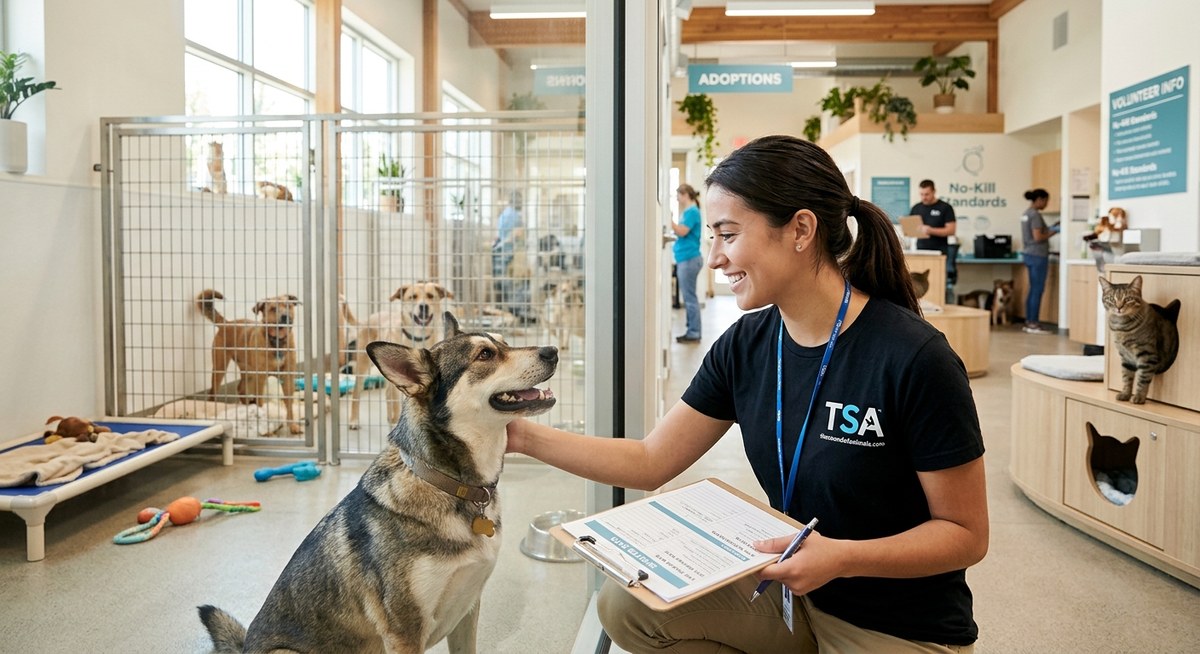
Before you buy a single bag of kibble, take a walk through your own community. Talk to the staff at your local animal shelter. Ask them how many pets are surrendered each month because the owner could not afford food. Visit a food pantry and ask if they ever see clients who turn down human food because they are desperate for pet food instead. The answers will shock you.
In many parts of the United States, food pantries cannot accept or store pet food due to health regulations or lack of space. That gap is where you come in. Your pet food bank does not replace human food assistance. It fills a specific, critical hole. When you understand exactly how many families need help and where they already go for support, you can design a program that fits like a glove.
Make a list of potential partners from the start. Your local animal rescue groups, veterinary clinics, and even churches or community centers may already field requests for pet food. These organizations can become your first referral sources and your strongest allies.
Building Your Core Team
You cannot run a pet food bank alone. Even a small operation needs at least two or three reliable people to share the load. Look for volunteers who bring different strengths. One person might love organizing and tracking inventory. Another might be great at talking to donors and posting on social media. A third could handle the heavy lifting and driving.
Hold an initial meeting where you answer three questions together. What days and times can each person commit? How much storage space does each person have at home or through their workplace? What skills does the group lack that you need to recruit for? If nobody on your team owns a truck, for instance, you will need a volunteer who can pick up bulk donations.
Think about longevity too. A pet food bank that opens and then closes after three months can actually hurt trust in your community. Aim for a sustainable pace. It is better to serve 20 families consistently every month than to serve 100 families once and then disappear.
Sourcing Pet Food and Supplies
Pet food is the heart of your operation. You need a steady, reliable pipeline. Here are the most common sources and how to approach each one.
- Local pet stores and big-box retailers. Many stores have a damaged-goods policy. Bags with torn corners or dented cans get marked down or discarded. Ask the store manager if you can pick up these items on a regular schedule. Be polite, bring a copy of your mission statement, and offer a tax receipt if you have nonprofit status.
- Pet food manufacturers. Companies like Purina, Hill’s, and Blue Buffalo often have donation programs. You typically need to apply online and show proof of your organization’s purpose. Even if you are not yet a registered 501(c)(3), some manufacturers will donate to a fiscal sponsor or a partner shelter.
- Community food drives. Set up collection bins at grocery stores, vet clinics, dog parks, and apartment lobbies. Create a simple flyer that lists the most needed items: dry kibble, canned wet food, and unopened treats. Run a drive during National Pet Month in May or around the winter holidays.
- Online registries. Create an Amazon Wishlist or Chewy registry. Share the link on your social media and website. This makes it easy for supporters who live far away to contribute.
One common mistake is accepting every donation without checking expiration dates or bag integrity. A ripped bag can attract pests. Expired food can make pets sick. Always inspect and sort donations the same day you receive them.
Choosing a Distribution Model
You need to decide how families will receive the food. There is no single right answer. Pick the model that matches your community’s needs and your team’s capacity.
| Model | How It Works | Best For |
|---|---|---|
| Pop-up pantry | Set up a table at a central location once a month. First come, first served. | Communities with a central gathering spot like a church parking lot or farmers market. |
| Delivery service | Volunteers drop off food at clients’ homes. | Elderly or disabled pet owners, or rural areas with no public transit. |
| Partner distribution | Give food to an existing food pantry or shelter to hand out. | Teams with limited volunteer hours or storage space. |
| School-based program | Work with a school social worker to identify families. Food goes home in backpacks. | Reaching families who might not visit a traditional pantry. |
Start with one model. Master it before you add a second. Trying to do delivery and pop-ups and school programs all at once will burn out your team before you hit the six-month mark.
Handling the Legal and Financial Side
You do not need to be a lawyer to start a pet food bank, but you do need to keep things legal. Here is what matters most.
- Liability. If someone’s pet gets sick from food you provided, you could be held responsible. Protect yourself by only distributing sealed, unexpired food. Keep records of where every donation came from. If you accept homemade food or opened bags, you take on more risk.
- Nonprofit status. You can operate as a project under an existing nonprofit, like a local shelter or church. This is often the easiest path. If you want to become your own 501(c)(3), expect to spend a few hundred dollars on filing fees and several weeks of paperwork. Many groups start under a fiscal sponsor for the first year.
- Food safety. Store dry food in a cool, dry place off the floor. Use plastic bins with tight lids to keep out rodents. Wet food should be kept at room temperature and rotated so older cans go out first.
Talk to your local health department early. Some counties require a permit for food distribution, even pet food. A quick phone call can save you from a shutdown later.
Promoting Your Pet Food Bank
People cannot use a service they do not know about. Spread the word through channels that reach the families who need you most.
- Partner with social workers. School counselors, caseworkers at homeless shelters, and staff at senior centers talk to struggling families every single day. Give them your flyers and a simple referral card.
- Use social media wisely. Post on local Facebook groups and Nextdoor. Share photos of your volunteers in action. Tag your local animal shelters and rescue groups. Do not just ask for donations. Show the impact. A picture of a full bowl and a happy cat tells the story better than any statistic.
- Get listed on 211. The United Way’s 211 service connects people to community resources. Contact your local 211 office and ask how to add your pet food bank to their database.
- Word of mouth is gold. Every family you serve will tell another family. Treat every interaction with dignity and kindness. No judgment. No paperwork that feels invasive. Just help.
If you want to take your advocacy further, learn how to lobby your local government for stronger animal protection laws in 2026 to address the root causes of pet hunger.
Common Pitfalls and How to Avoid Them
Even well-meaning groups hit snags. Here is what to watch for.
“We started collecting food before we had a place to store it. Within two weeks, we had 400 pounds of kibble sitting in someone’s garage with no plan. Learn from us. Secure your space first.” — Maria, founder of a pet food pantry in Ohio
Pitfall 1: Overpromising. Do not tell people you are open every Saturday if you can only manage the first Saturday of the month. Set clear hours and stick to them.
Pitfall 2: Ignoring cat food. Most donations are dog food. Cats are often forgotten. Make a conscious effort to source pate style wet food and small kibble. Cat owners are just as desperate.
Pitfall 3: Burning out volunteers. Run your pet food bank like a marathon, not a sprint. Rotate tasks. Celebrate small wins. Take a month off in the summer if you need to. Your community will understand.
Pitfall 4: Forgetting about supplies. Food is not the only need. Families also appreciate donated leashes, collars, litter, and flea treatments. If you have room, add a small “extras” table.
A Simple Action Plan to Get Started This Month
You can go from idea to first distribution in 30 days. Here is a timeline to follow.
- Week one. Talk to five local organizations (shelter, food pantry, vet clinic, church, school). Gauge the need. Recruit two co-organizers.
- Week two. Find a storage location. A clean garage, a spare room in a church, or a corner of a pet store can work. Secure shelving and bins.
- Week three. Contact three potential food sources. Visit a local pet store manager in person. Apply to one manufacturer donation program. Set up an Amazon Wishlist.
- Week four. Hold your first distribution. Keep it small. Serve five to ten families. Collect feedback. Adjust your model based on what you learn.
After your first month, you will have real data to guide your next steps. You will know which food sources are reliable, which volunteers show up, and which distribution model fits your community best.
Building a Movement, One Bowl at a Time
A pet food bank is not just about kibble. It is about keeping families together. It is about reducing the number of animals surrendered to overcrowded shelters. It is about showing your neighbors that you see them and that their pet matters. Every bag of food you hand out carries a message: you are not alone, and you do not have to give up your best friend.
Once your pet food bank is running smoothly, think about the bigger picture. Partner with a local spay and neuter clinic to offer vouchers alongside pet food. Connect clients to low-cost vet care. Share information about pet-friendly rental housing. Your pet food bank can become a hub for a whole ecosystem of support.
If you are looking for more ways to get involved, check out these top ways to support animal rescue missions in your community. The work you do today will echo through your neighborhood for years. Start small. Stay consistent. And remember that every full bowl is a victory.
Take the first step this week. Call that shelter. Text that friend. Buy that first bag of food. Your community is waiting for you to lead.