You pull into the shelter parking lot on a Tuesday afternoon. You have an old blanket in the backseat and a half-bag of kibble you bought on sale. It feels so small. But inside that shelter, a kennel worker who was running low on bedding uses your blanket for a scared puppy who has not slept through the night in weeks. That puppy finally rests. The next morning, he is calm enough to meet a family. They adopt him. That family tells their neighbors about the shelter. The neighbors start volunteering. One small act. One ripple. That is the ripple effect of kindness animals experience every single day. And you can start a ripple too.
Small acts of kindness toward animals create ripples that extend far beyond the moment. A single donation, a shared post, or a moment of patience can save a life, inspire a volunteer, and shift how a whole community sees animal welfare. You do not need a big budget or a grand plan to make a real difference.
How a Single Act Creates a Chain Reaction
Kindness is not a transaction. It is a transfer. When you help one animal, you also help the people connected to that animal. The shelter staff feel supported. The adopter feels encouraged. The neighbor who sees your post feels inspired. Over time, that chain reaction builds momentum.
Let us look at how this works in real life.
The story of a senior dog named Gus
Gus was a 12 year old beagle mix at a rural shelter in Ohio. He had a heart murmur and gray whiskers. Most visitors walked past him. Then one volunteer decided to sit with him for ten minutes every Saturday. She brushed his coat and talked to him softly. She posted a photo of Gus on her personal page with a simple caption: “This old guy just wants a lap to nap on.”
That post was shared by a friend of a friend. A retired teacher saw it. She drove two hours to meet Gus. She adopted him that day. But the ripple did not stop there. The teacher was so moved by the shelter’s work that she started a small fundraising page for their senior pet program. In one year, that page raised enough money to cover medical care for seven older animals. Seven animals got a second chance because one person sat with a dog for ten minutes.
This is the ripple effect of kindness animals rely on. It starts with one person and grows outward.
Practical Steps to Start Your Own Ripple
You do not need to wait for a big idea. You can act today. Here is a numbered list of practical steps that create real impact.
-
Donate one specific item. Instead of giving cash, drop off a case of canned puppy food, a bag of gently used towels, or a box of latex gloves. Shelters often need these items more than money. Your donation goes directly into an animal’s bowl or bed. That is a ripple.
-
Share one animal’s story. Go to your local shelter’s social media page. Pick one animal who has been there a long time. Share their photo and write one honest sentence: “This cat has been waiting 90 days. Can you share this for me?” You are not asking for adoption. You are asking for a share. That share might reach the right person.
-
Spend ten minutes of quiet time. If you visit a shelter, do not just walk the aisles. Ask staff if there is a shy animal who needs socialization. Sit near their kennel. Read a book out loud. Let them get used to a calm human presence. This reduces their stress and makes them more adoptable.
-
Write a short review. Shelters rely on word of mouth. Write a three sentence review on Google or Yelp about your positive experience. Mention a staff member by name if you can. That review helps other people feel confident about adopting or donating.
-
Offer a specific skill. Are you good at taking photos? Offer to take adoption pictures for one afternoon. Do you have a pickup truck? Offer to transport supplies. Skills are often more valuable than cash.
Common Mistakes That Dampen the Ripple
Even well meaning people can accidentally slow down the ripple effect. Here is a table that shows common mistakes and the better approach.
| Mistake | Why It Hurts | Better Approach |
|---|---|---|
| Dropping off unwashed blankets or broken items | Staff have to sort and discard, wasting time | Call ahead and ask what they need most |
| Posting graphic injury photos to get sympathy | Can overwhelm viewers and cause them to scroll past | Share success stories or neutral adoption posts |
| Showing up without notice to “help” | Shelters are busy; unscheduled help can be a burden | Sign up for a volunteer orientation first |
| Giving cash without a note | Money is great, but a note connects you to the mission | Attach a short card: “For the shy cat in kennel 4” |
| Adopting on impulse without research | Returns hurt the animal’s trust | Spend time with the animal first; ask questions |
Each of these mistakes is easy to fix. When you adjust your approach, your kindness lands exactly where it is needed.
The Science Behind the Ripple Effect
This is not just a feel good idea. Social scientists call it “social contagion.” Kindness spreads through networks the way a yawn does. When one person acts generously, the people around them are more likely to act generously too. A study from the University of California found that a single act of cooperation could influence up to three degrees of separation. That means your kindness to a shelter cat could inspire a friend of a friend of a friend to foster a litter of kittens.
“Kindness is the only force that multiplies when you give it away. When you help an animal, you are not just changing that animal’s life. You are changing the person who witnesses your help.”
* Dr. Emily Hartwell, animal behavior researcher
The ripple effect of kindness animals is not a theory. It is a measurable pattern. Shelters that receive consistent small donations report higher staff morale. Higher morale leads to better care. Better care leads to more adoptions. More adoptions lead to more community support. It is a loop that keeps feeding itself.
What Your Kindness Can Unlock for an Animal
When you perform a small act, you unlock a series of outcomes that the animal cannot get on their own. Here is a bulleted list of what your kindness can do.
- A warm blanket helps a scared dog regulate their body temperature and sleep. Sleep reduces cortisol. Lower cortisol makes them more social. A social dog gets adopted faster.
- A donated bag of food means the shelter can redirect funds to medical care. That medical care might fix a treatable condition that was blocking adoption.
- A shared post puts a face on the shelter’s work. It humanizes the mission. People trust faces more than statistics.
- A foster home frees up a kennel. That empty kennel lets the shelter accept a new animal from the street. You saved two animals with one decision.
- A kind word to a shelter worker can change their entire week. Burnout is high in animal welfare. Your encouragement keeps them going.
Each item on this list is a door. You hold the key.
How to Keep Your Ripple Going
One act is powerful. Consistent acts create a current. If you want to sustain the ripple effect of kindness animals in your community, try these ideas.
- Set a monthly reminder to donate one item. Put it on your calendar. A can of food every month adds up to twelve cans a year. That is a full feeding cycle for one cat.
- Rotate your focus. One month, support a local rescue. The next month, support a wildlife rehabilitation center. The next month, help a sanctuary. This spreads your impact across different types of animal need.
- Bring a friend. Kindness is contagious. When you volunteer with a buddy, you both experience the joy. Your friend will likely tell someone else. You have doubled your ripple without extra effort.
For more ideas, read our guide on top ways to support animal rescue missions in your community. It has specific actions you can take this week.
Matching Your Kindness to the Animal’s Needs
Not all kindness is equal. A scared feral cat needs different help than a stray dog or a wildlife patient. Here is a simple breakdown.
| Animal Situation | Best Kindness | Avoid |
|---|---|---|
| Feral cat colony | Provide insulated shelters and regular feeding | Do not try to handle them; call a TNR group |
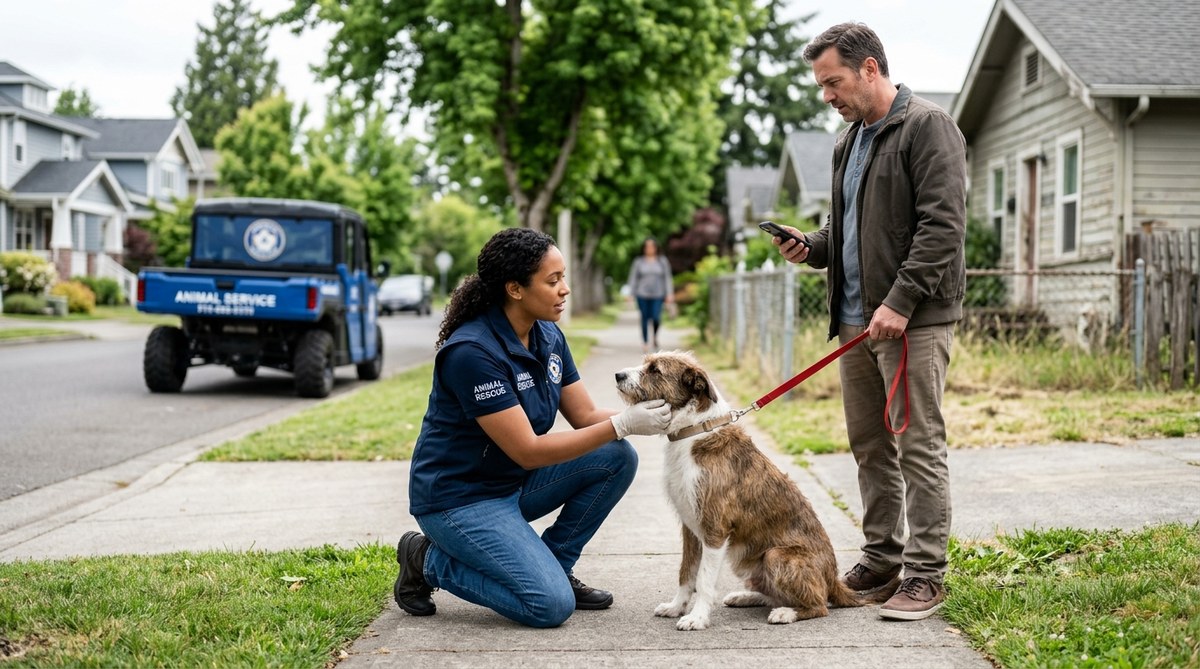
| Stray dog | Offer water and a safe space; check for ID | Do not chase; call animal control |
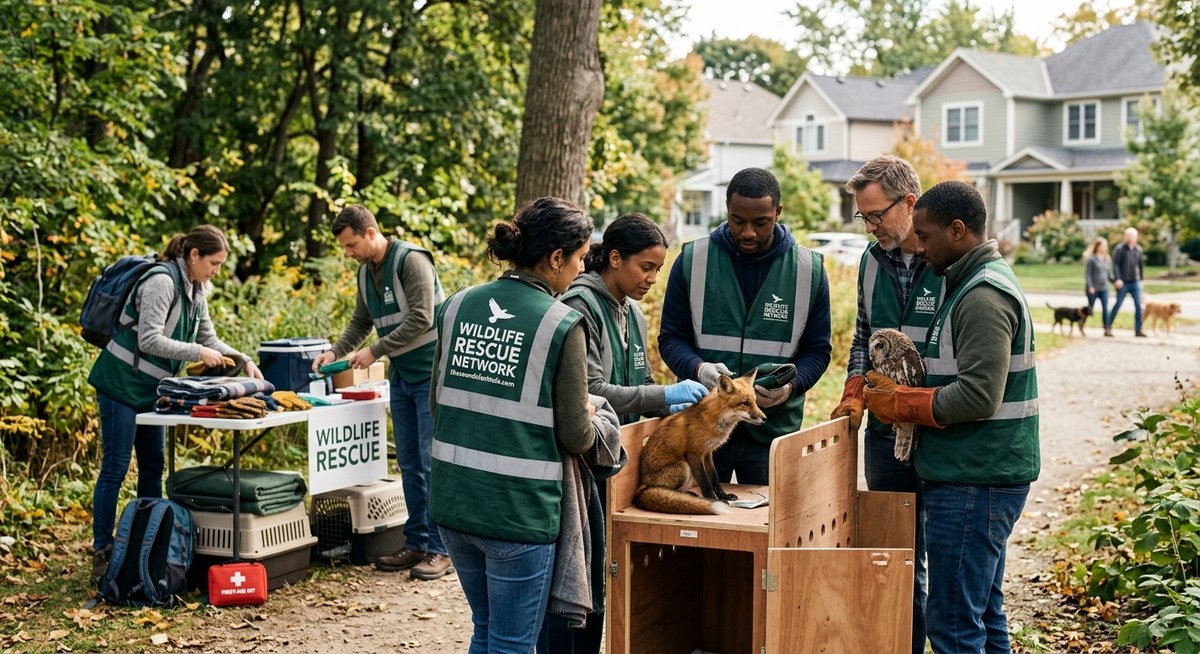
| Injured bird | Put in a ventilated box; contact a rehabber | Do not give food or water without instruction |
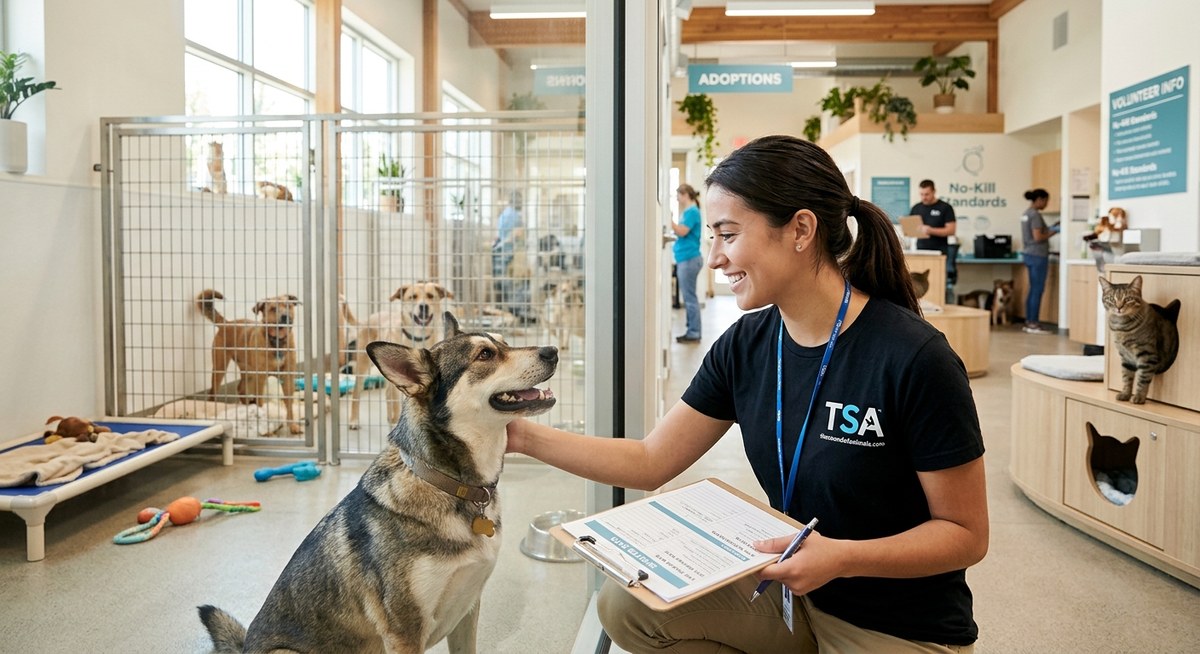
| Shelter pet in kennel | Donate enrichment toys or soft bedding | Do not stick fingers in kennels of scared animals |
| Wildlife in your yard | Leave them alone unless clearly injured | Do not “rescue” healthy babies; parents are nearby |
When you match your action to the animal’s real need, your kindness lands perfectly. That is the difference between helping and accidentally harming.
The Ripple in 2026: Why Now Matters
Animal shelters across the United States are facing new pressures in 2026. Rising veterinary costs, housing instability, and natural disasters are pushing more animals into care. At the same time, more people want to help. The gap is not in willingness. It is in knowing how.
This year, small acts matter more than ever. A single foster home can save an animal from a crowded shelter during a disaster evacuation. A single donation of towels can keep a rescue running during supply chain delays. A single share can find a home for a pet whose owner had to move into a no pets apartment.
If you want to learn how to organize a larger effort, check out our article on how to start a neighborhood pet food drive for shelters in need. It walks you through the entire process.
Your Ripple Starts Today
You do not need to be a hero. You do not need to adopt every animal or donate thousands of dollars. You just need to start. One blanket. One share. One hour. That is enough.
The ripple effect of kindness animals is real because animals feel it, shelters see it, and communities grow because of it. The next time you wonder if your small act matters, remember Gus. Remember that one volunteer who sat with a senior dog on a Saturday. She did not know she was starting a chain that would help seven other animals. She just showed up.
You can show up too. Choose one step from this article and take it this week. Then watch what happens next.