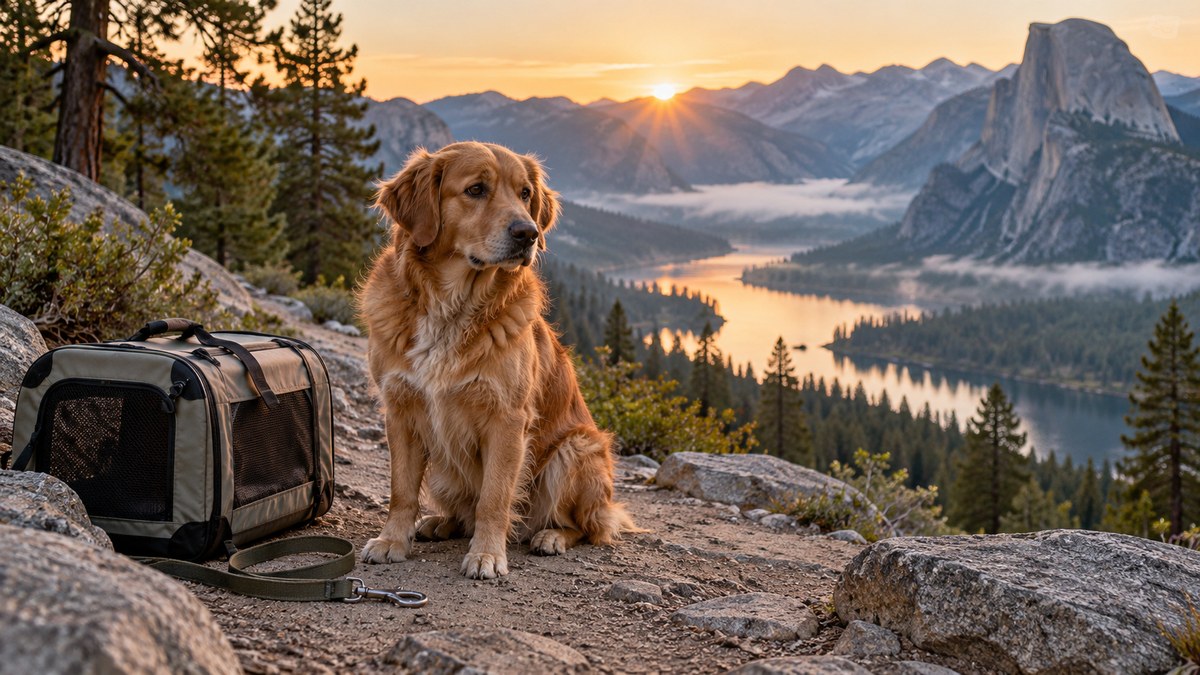
You lace up your hiking boots, fill your water bottle, and head into the woods for a quiet weekend. The trail is peaceful. Birds call from the treetops. Then you see it: a matted, terrified dog tied to a picnic table with a note that reads “Sorry, we can’t keep him anymore.” This scene is no longer rare. Across the United States, national parks are becoming dumping grounds for unwanted pets. The overlooked crisis of pet abandonment in national parks in 2026 is straining rescue networks, endangering native wildlife, and breaking the hearts of rangers and hikers alike.
Pet abandonment in national parks has surged 40 percent since 2022, with over 1,200 documented cases in 2025 alone. Abandoned pets often form feral colonies that prey on native species, spread disease, and compete with wildlife for food. Rangers report that spring and summer months see the highest rates of dumping. This crisis harms animals, ecosystems, and park visitors. Solutions exist, but they require community action, better enforcement, and public education.
What Is Driving the Rise in Pet Dumping?
The numbers are startling. Data from the National Park Service shows a 40 percent increase in reported pet abandonment incidents between 2022 and 2025. In 2026, the trend shows no signs of slowing. Why are people leaving their pets in protected natural areas?
Economic pressure plays a big role. Rising pet care costs, including food, veterinary visits, and housing deposits, push some owners to make desperate choices. Others face eviction from rentals that ban pets. Some people simply move and decide not to bring their animal along.
A lack of accessible shelter space makes things worse. Many rural counties near national parks have limited animal control resources. When a person decides to abandon a pet, a remote trailhead feels like a place where no one will catch them.
But the consequences are severe. A dumped pet faces starvation, predation, injury, or death. Dogs that survive often band together in packs. Cats become feral and reproduce. Both become a serious problem for the park ecosystem.
How Abandoned Pets Harm National Park Wildlife
The ecological damage from pet abandonment in national parks is not theoretical. It is measurable and alarming.
Native Species Under Threat
Abandoned dogs chase and kill ground-nesting birds, deer fawns, and small mammals. Cats are even more destructive. A single free-roaming cat can kill dozens of birds, reptiles, and rodents each month. In parks like Great Smoky Mountains and Shenandoah, rangers have documented feral cat colonies preying on endangered species.
Disease Transmission
Pets that are not vaccinated can introduce distemper, parvovirus, and rabies into wildlife populations. These diseases can decimate local animal communities that have no natural immunity.
Competition for Resources
Feral dogs and cats compete with native predators like foxes, bobcats, and owls for food. When a park has a steady source of abandoned pets, the artificial population surge throws the entire food web out of balance.
“We are seeing a direct link between pet dumping and the decline of several ground-nesting bird species. The problem is not going away. It is getting worse every season.” — Dr. Elena Marlow, wildlife biologist, Rocky Mountain National Park
Where Abandonment Happens Most
Not every park is affected equally. The following table shows the five national parks with the highest reported pet abandonment cases in 2025 and the primary factors at each location.
| Park Name | Reported Cases (2025) | Primary Dumping Factor |
|---|---|---|
| Great Smoky Mountains National Park | 187 | High tourist traffic, easy roadside access |
| Shenandoah National Park | 142 | Proximity to urban centers, many pull-offs |
| Rocky Mountain National Park | 98 | Seasonal worker turnover, remote campsites |
| Olympic National Park | 76 | Large forested areas, low enforcement presence |
| Grand Canyon National Park | 63 | Visitors traveling long distances, impulse dumping |
These numbers represent only reported cases. Park officials estimate the true count could be two to three times higher.
What to Do If You Find an Abandoned Pet on the Trail
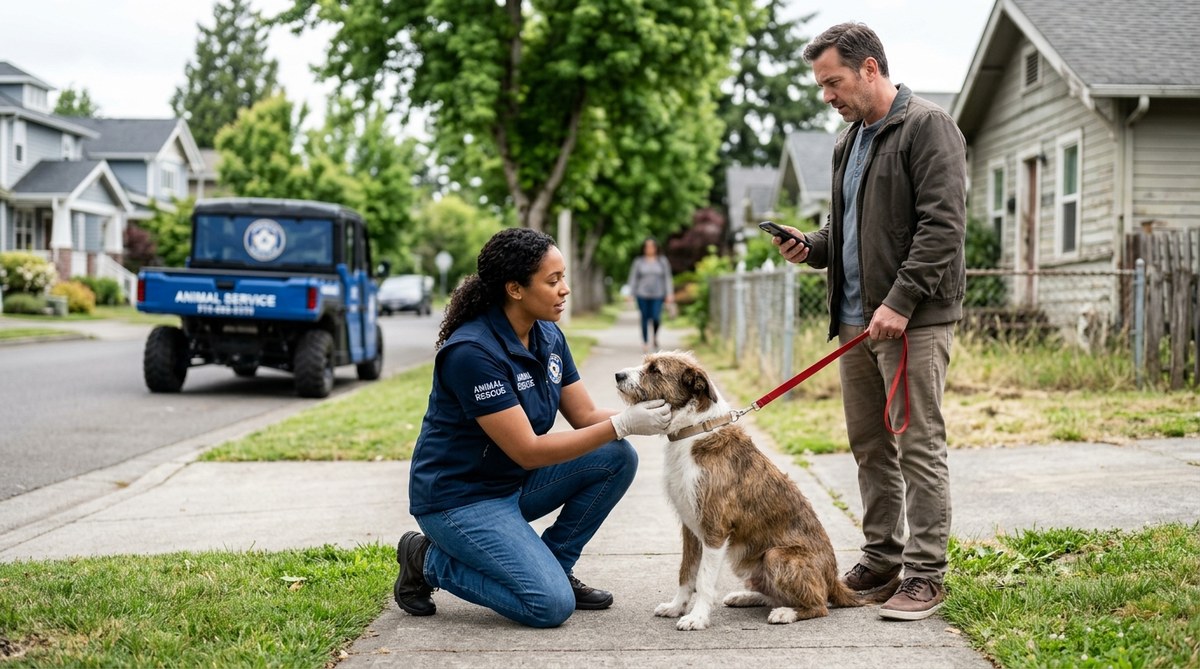
If you encounter a lost or abandoned animal during a hike, your response matters. Acting calmly and safely can save a life.
- Do not approach if the animal seems aggressive. A scared or hungry animal may bite. Observe from a distance.
- Note the location. Use a GPS app or trail marker to record exactly where you saw the animal.
- Take a photo if safe. This helps rangers identify the animal and confirm the report.
- Contact the park ranger station immediately. Do not assume someone else will call. Give them the location, description, and condition of the animal.
- Stay nearby if possible. If the animal is in immediate danger, like near a road, wait for a ranger to arrive. Do not attempt a rescue alone.
What Park Rangers Wish Every Visitor Knew
Rangers are the frontline responders in this crisis. They see the aftermath of abandonment every week. Here is what they want you to understand.
- Microchipping your pet is not optional. It is the single best way to reunite a lost dog with its owner. If you find a stray, a ranger can scan for a chip on the spot.
- Never assume an animal is “wild.” Many abandoned pets are friendly at first. They may have been someone’s companion for years before being dumped.
- Report suspicious behavior. If you see a vehicle stop at a remote trailhead, unload an animal, and drive away, take note of the license plate and call the park.
- Do not feed stray animals in the park. Feeding keeps them in the area and encourages them to stay. It also habituates them to humans, which can lead to dangerous encounters.
Rangers also stress that leaving a pet in a national park is illegal. It is a federal offense under 36 CFR 2.15, with fines up to $5,000 and possible jail time.
How You Can Help Stop Pet Abandonment
You do not have to be a park employee to make a difference. Here are concrete actions you can take.
- Volunteer with local rescue groups near national parks. Many organizations run regular patrols to search for abandoned animals. Check out our guide on how to get started as a volunteer for local animal shelters.
- Support trap-neuter-return programs for feral cats in park-adjacent communities. These programs reduce breeding and prevent colonies from growing. Learn more about the crucial role of TNR programs in managing community cat populations in 2026.
- Spread the word on social media. Awareness is a powerful tool. Share articles, post ranger contact info, and remind friends that national parks are not dumping grounds.
- Advocate for stronger laws. Contact your representatives and ask for increased funding for animal control in rural areas. Read our tips on how to lobby your local government for stronger animal protection laws in 2026.
- Donate to park-based rescue funds. Some parks have established donation accounts specifically for abandoned animal care. Every dollar helps with food, vet bills, and transport to shelters.
Common Myths About Pet Abandonment in Parks
Let’s clear up a few misconceptions that keep this problem alive.
- Myth: “The park is a natural place. My pet will be fine on its own.”
Truth: Domestic pets lack survival skills. Most die within weeks from starvation, injury, or predation. - Myth: “Someone else will find them and take them in.”
Truth: Many abandoned animals are never found. Those that are often end up in overcrowded shelters with limited resources. - Myth: “It is only one animal. It won’t make a difference.”
Truth: One breeding pair of cats can produce hundreds of offspring in a few years. The impact multiplies.
A Shared Responsibility
The overlooked crisis of pet abandonment in national parks in 2026 will not solve itself. It requires all of us to pay attention, speak up, and take action. Every hiker, every wildlife advocate, and every pet owner has a role to play. If you are struggling to care for your pet, reach out to a rescue organization or a community pet food bank before making a permanent decision. There is always a better option than leaving an animal behind. Together, we can protect both the wildlife and the beloved pets who deserve better.