Driving through the countryside or even a leafy suburb can feel like a peaceful escape from city life. But for the animals that call those places home, the road is a dangerous barrier. Every year, millions of deer, raccoons, opossums, turtles, and birds are killed on U.S. roads. And it is not just bad for them. Collisions with larger animals like deer cause serious injuries and thousands of dollars in vehicle damage. The good news is that you can make a real difference behind the wheel. With a few smart habits and a little extra awareness, you can learn how to avoid hitting wildlife while driving. This guide covers the most effective strategies for 2026, from timing your trips to using new technology.
To avoid hitting wildlife while driving, slow down during dawn and dusk, scan the road edges with your peripheral vision, and never swerve suddenly. Use high beams when safe, stay extra alert near water sources and forest edges, and consider installing wildlife warning devices. If you see one animal, expect more to follow. Your defensive driving can save lives and prevent costly repairs.
Why Wildlife Collisions Spike in Certain Seasons
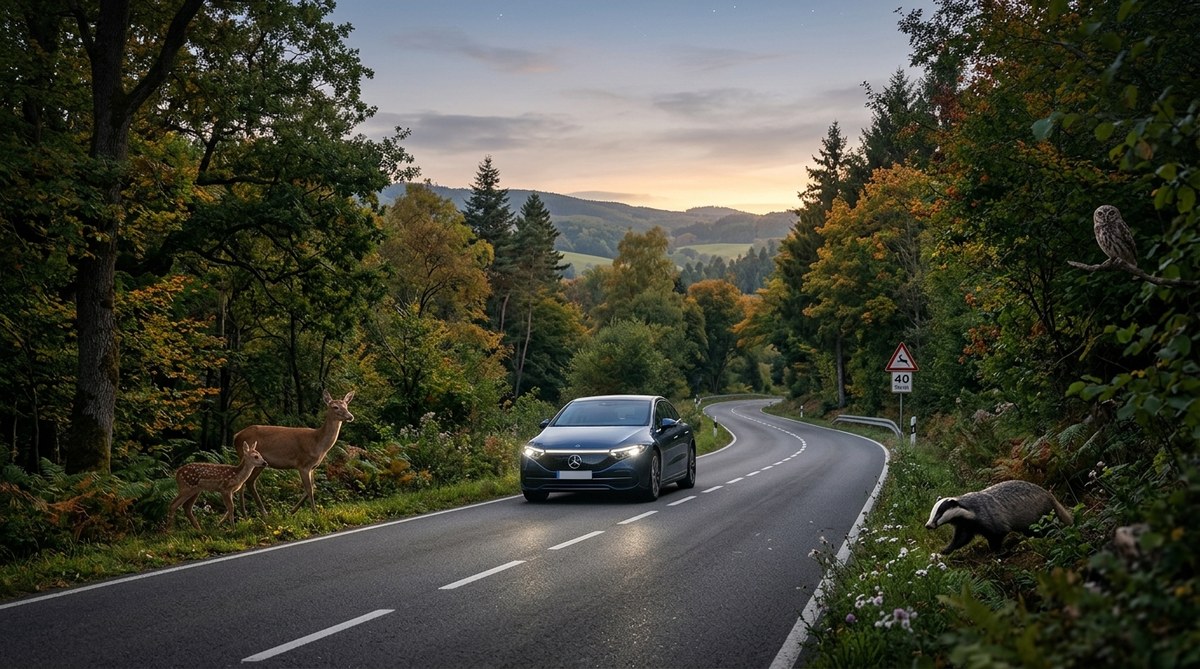
Wildlife activity is not random. It follows predictable patterns tied to food, weather, and breeding cycles. In the spring, young animals wander as they learn to find food. Fall brings the deer mating season, which peaks from October through December in most of the United States. During this time, deer move more at dawn and dusk, and they cross roads with less caution.
Knowing these patterns helps you adjust your driving. For example, if you commute through a wooded area in November, you should be extra cautious. The same goes for spring mornings when fawns might follow their mothers across a highway.
The First Rule of Wildlife Safety: Slow Down
Speed is the single biggest factor in whether you can avoid a collision. At 30 miles per hour, you have a much better chance of stopping in time for a deer that jumps out. At 55 miles per hour, that chance drops dramatically.
Here is a simple breakdown of how speed affects your reaction:
| Speed (mph) | Stopping Distance (feet) | Chance of Avoiding a Deer |
|---|---|---|
| 30 | 90 | High |
| 40 | 140 | Moderate |
| 50 | 200 | Low |
| 60 | 270 | Very low |
Slowing down is not just about your stopping distance. It also gives you more time to scan the road and spot movement before an animal steps into your path.
How to Scan the Road Like a Wildlife Expert
Your eyes are your best tool for avoiding collisions. But you have to use them the right way. Most drivers look straight ahead at the lane markings. That works for staying in your lane, but it misses movement at the edges.
Use this scanning process:
- Look far ahead. Focus on the road at least 200 feet in front of you.
- Shift your gaze to the right shoulder. Look for shapes, shadows, or movement.
- Check the left shoulder the same way.
- Glance at the road surface for reflections that might be animal eyes.
- Repeat this cycle every few seconds.
This rhythm trains your brain to notice changes at the roadside before an animal steps out. It works especially well on winding rural roads where visibility is limited.
When to Drive and When to Wait
Timing your trip can reduce your risk by a lot. Most wildlife collisions happen during low light hours. Dawn and dusk are the most dangerous times. Deer, raccoons, foxes, and many other animals are naturally active then.
If you can, adjust your schedule to avoid driving during these windows. If you cannot, take extra precautions. Turn your headlights on even if the sun is still up. Use your high beams on dark roads with no oncoming traffic. High beams reflect off the eyes of animals and give you a few extra seconds to react.
What to Do When an Animal Appears in the Road
This is the moment that tests your instincts. Your first reaction might be to jerk the wheel to avoid the animal. That is often the wrong move. Swerving can cause you to hit a tree, roll into a ditch, or cross into oncoming traffic. Those outcomes are usually worse than hitting the animal.
Follow these steps in order:
- Brake firmly but do not lock up your wheels. Modern cars have anti-lock brakes, so press down hard and hold.
- Stay in your lane. Do not swerve.
- Honk your horn in short bursts. Some animals will freeze, but many will move away from the sound.
- If you cannot stop in time, hit the brake and let go just before impact. This keeps the front of the car from dipping and reduces the chance of the animal coming through the windshield.
- Pull over safely after the incident. Do not approach the animal. Call local wildlife authorities or 911 if the animal is blocking traffic.
“The most important thing you can do is resist the urge to swerve. A direct hit at a lower speed is almost always safer than a high speed crash into a tree or another car.” — National Wildlife Collision Prevention Program
Wildlife Warning Devices and New Car Tech
In 2026, more drivers are using technology to reduce collisions. Some cars now come with wildlife detection systems that use cameras and sensors to spot large animals near the road. These systems give you an audio alert and sometimes even apply the brakes.
If your car does not have that feature, you can buy aftermarket wildlife whistles. These small devices attach to your car and emit a high frequency sound that is supposed to alert animals. The effectiveness of these whistles is debated among experts. Some studies show a small reduction in collisions, while others find no benefit. They are cheap and easy to install, so they may be worth trying as part of a larger safety plan.
Common Mistakes That Lead to Collisions
Even experienced drivers make errors that lead to hitting animals. Here are the most frequent ones:
- Driving too fast for the conditions, especially on roads with “deer crossing” signs.
- Focusing only on the road directly in front of the car.
- Assuming an animal will stop or turn around.
- Not using high beams when they are safe to use.
- Driving while distracted by a phone or a loud conversation.
If you drive through an area with high wildlife activity, you need to be fully present. Put the phone down. Turn the music down. Ask your passengers to help you scan.
How to Support Wildlife Beyond Your Car
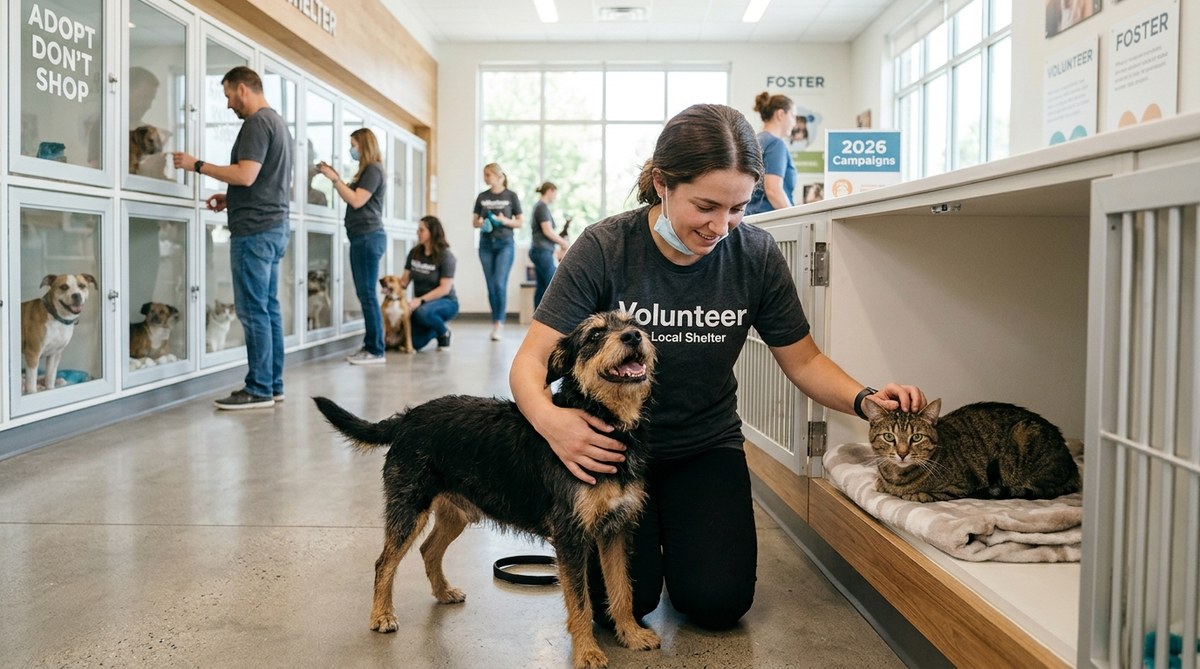
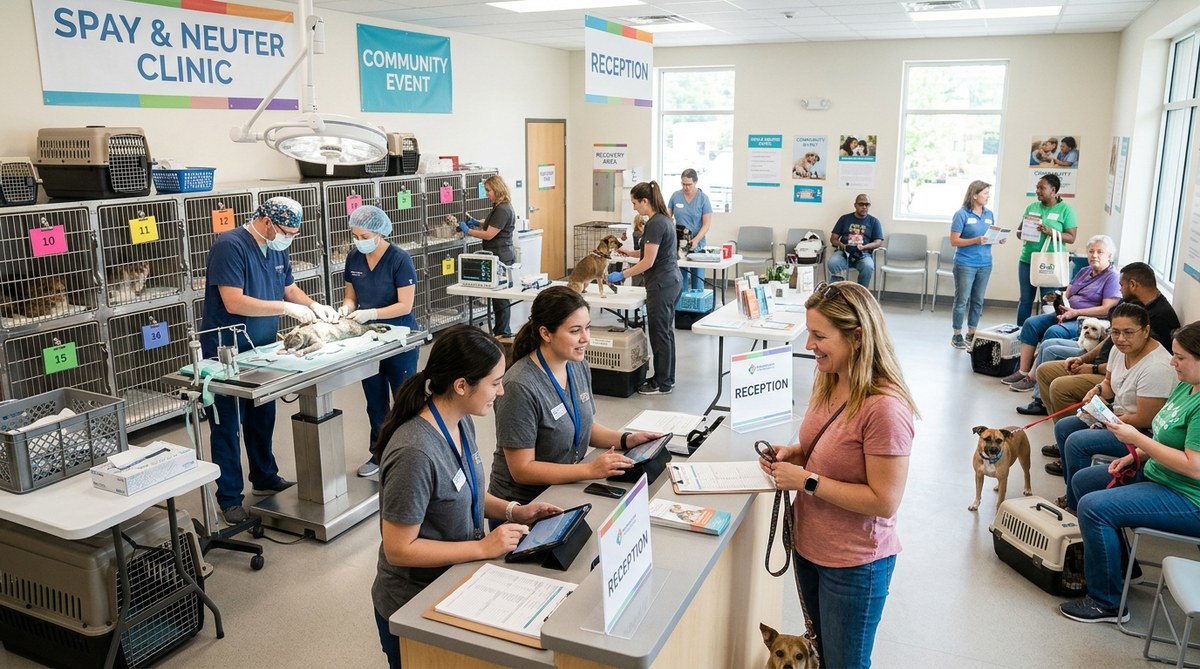
Driving safer is a great start, but you can also help local wildlife in other ways. Many rescue organizations need volunteers and donations to care for injured animals. If you want to take your advocacy further, consider supporting animal rescue missions in your community. You can also volunteer for local animal shelters to help rehabilitate animals affected by road incidents.
Another powerful action is to advocate for animal rights in your community. This can include pushing for more wildlife crossings and warning signs on dangerous roads.
A Simple Checklist for Every Trip
Before you start your car, run through this list. It takes ten seconds and could save a life.
- Check the time. Is it dawn or dusk?
- Is the road marked with wildlife warning signs?
- Are you driving through a forest, near a river, or past farmland?
- Are your headlights on?
- Is your phone out of reach?
If any of these apply, commit to driving slower and scanning harder.
Turning Your Drive Into a Wildlife Rescue Network
One of the most rewarding things you can do is to combine safe driving with a willingness to help. If you see an injured animal on the road, you can report it to local rescue groups. Many of them rely on drivers to alert them to animals in need. You can learn more about how to start a wildlife rescue network in your neighborhood. It takes just a few people to create a system that saves dozens of animals each year.
Your Role in a Safer Road for Everyone
Every time you get behind the wheel, you have a choice. You can drive on autopilot and hope for the best, or you can be an active participant in keeping the road safe for people and animals alike. The techniques in this guide are simple, but they require practice. Start with one habit, like scanning the shoulders, and build from there. Over time, these actions become second nature. You will find yourself slowing down before you even see the deer. That split second of preparation is what makes the difference. Drive with care, and you become part of the solution.