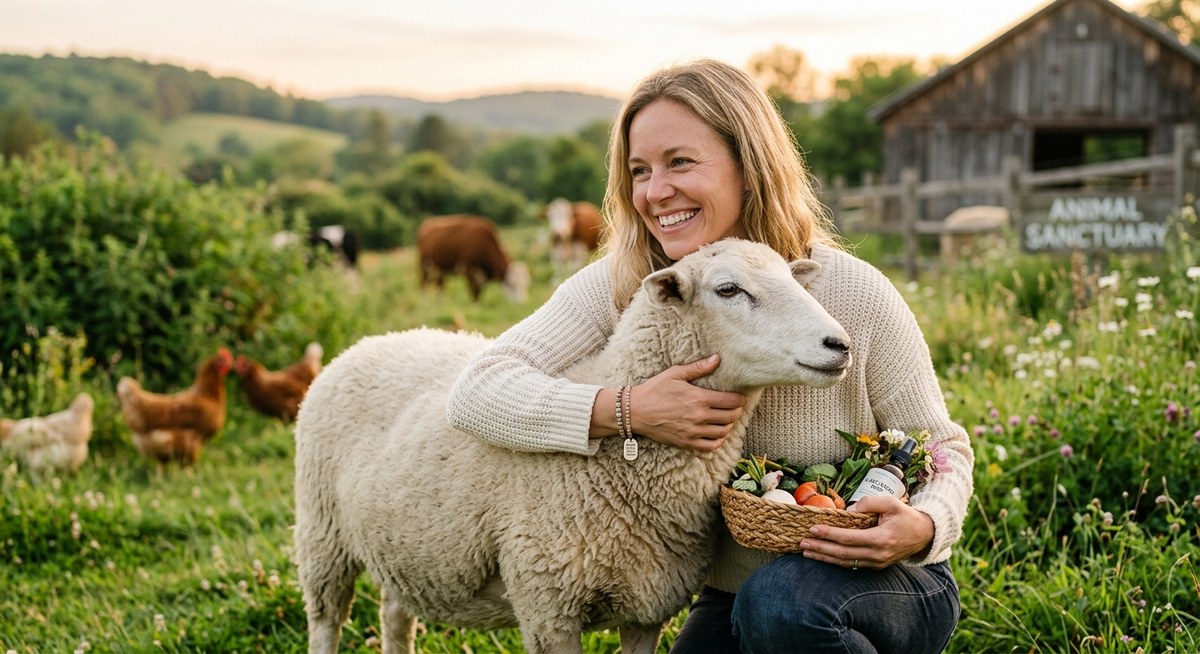
Cruelty-free animal products are more than just a trend. They represent a commitment to kindness, sustainability, and respect for all living beings. As conscious consumers, making informed choices about the products we use can have a profound impact on animals, the environment, and our own well-being. Whether you’re switching to cruelty-free skincare, clothing, or household items, understanding what it means to choose cruelty-free can empower you to live more ethically.
Opting for cruelty-free animal products means choosing items made without [animal testing](https://en.wikipedia.org/wiki/Animal_testing) or harm. It supports ethical brands, promotes sustainability, and aligns with compassionate living. Making these choices benefits animals and the planet alike, creating a more humane world for everyone.
Understanding What Cruelty-Free Means
Cruelty-free is a label that indicates products were made without harming animals. But what exactly does that entail? It goes beyond avoiding animal testing during the product development process. Cruelty-free products are also often vegan, meaning they contain no animal-derived ingredients.
Many brands now seek third-party certification from organizations like Leaping Bunny or PETA’s cruelty-free logo. These certifications ensure that no animal testing was involved at any stage of manufacturing. It’s important to look for these labels to be sure you’re supporting truly cruelty-free brands.
Why Choosing Cruelty-Free Animal Products Matters
Switching to cruelty-free products is a powerful way to stand against animal cruelty. It sends a message to companies that consumers care about ethical practices. This shift encourages more brands to adopt cruelty-free standards and reduces demand for products tested on animals.
Beyond ethics, cruelty-free choices often align with sustainability goals. Many cruelty-free brands also prioritize eco-friendly ingredients, packaging, and production methods. Using cruelty-free animal products can help lower your carbon footprint while supporting compassionate living.
Practical Steps to Incorporate Cruelty-Free Products
Making the switch can be straightforward if you follow a simple process:
-
Identify your main product categories
Think about skincare, makeup, household cleaners, clothing, and accessories. -
Research brands and labels
Check for cruelty-free certifications like Leaping Bunny or PETA’s cruelty-free logo. Use trusted resources and online guides to find ethical brands. -
Switch gradually
Replace products as they run out with cruelty-free alternatives. Focus on the most used items first, like face wash or deodorant.
Additional Tips for Ethical Living
- Read ingredient labels carefully to avoid animal-derived ingredients if vegan cruelty-free is your goal.
- Support local and small brands committed to ethical practices.
- Share your journey with friends and family to inspire more cruelty-free choices.
- Volunteer or donate to animal protection organizations to support broader efforts.
Techniques for Choosing Truly Cruelty-Free Products
Not all products labeled cruelty-free are equal. To ensure your choices are genuinely compassionate, consider these techniques:
| Technique | What to Look For | Common Mistakes |
|---|---|---|
| Check for third-party certification | Look for logos like Leaping Bunny or PETA | Assuming all cruelty-free labels are verified |
| Read ingredient lists | Avoid animal-derived ingredients like beeswax or lanolin | Overlooking ingredients that may be animal-derived |
| Visit brand websites | Verify their cruelty-free policies and commitments | Relying solely on marketing claims |
| Use dedicated cruelty-free shopping guides | Trusted online resources and apps | Buying from brands without verified cruelty-free status |
Remember that some brands may claim cruelty-free but still test on animals in certain markets. Always verify their certification status before purchasing.
Common Misconceptions About Cruelty-Free Products
Many people have misconceptions that prevent them from fully embracing cruelty-free living. Here are a few clarifications:
- Cruelty-free means vegan: Not necessarily. Cruelty-free products can contain animal ingredients but are not tested on animals. Vegan products are free from all animal-derived ingredients.
- All cruelty-free brands are ethical: Some may still have questionable environmental or labor practices. Look for brands that are transparent and prioritize sustainability.
- Cruelty-free products are more expensive: While some premium brands charge higher prices, there are many affordable cruelty-free options available. Shopping smartly can help you stay within budget.
How Your Choices Impact Animal Welfare and the Environment
Choosing cruelty-free animal products supports the global movement to end animal testing. It encourages brands to adopt humane practices and reduces the demand for harmful procedures. Additionally, many cruelty-free brands focus on sustainable materials, reducing environmental harm.
This shift promotes a more compassionate and sustainable economy. When consumers prioritize cruelty-free options, they influence industries to rethink their practices. Over time, this can lead to a significant decline in animal testing and exploitation.
Practical Resources to Find Cruelty-Free Options
- Use online directories like Cruelty-Free Kitty or Logical Harmony to discover verified brands.
- Download apps that scan product barcodes to check their cruelty-free status.
- Follow cruelty-free influencers and advocates on social media for updates and tips.
- Visit dedicated sections on retail websites that highlight cruelty-free products.
Making Compassion a Daily Habit
Living ethically does not require perfection. Small, consistent choices add up. Every cruelty-free product you select contributes to a kinder, more sustainable world. Remember, it is about progress, not perfection.
Start by replacing one product at a time. Over weeks or months, your routine will transform into one that aligns with your values. Be patient and celebrate each step forward.
Nurturing a Compassionate Lifestyle
Choosing cruelty-free animal products is a journey of kindness and mindfulness. It involves being informed, making thoughtful choices, and supporting brands that share your values. Every effort counts because it can influence others to follow suit.
By embracing cruelty-free options, you contribute to a future where animals are no longer subjected to unnecessary suffering. Your choices ripple outward, inspiring change across industries and communities.
Living with Purpose and Compassion
Taking responsibility for what we buy and use is empowering. It allows us to live intentionally and make a positive difference. Remember, the power to influence change lies in your hands.
Every cruelty-free product you purchase is a statement of compassion. It affirms your commitment to protecting animals and preserving the planet. With each mindful decision, you help build a more humane world.
Final thoughts: Transitioning to cruelty-free animal products is a meaningful step toward ethical living. It aligns your daily habits with your values of kindness and respect. By staying informed and choosing wisely, you can enjoy products that are good for you, animals, and the environment. Your choices matter. Start small, stay consistent, and let compassion guide your journey.