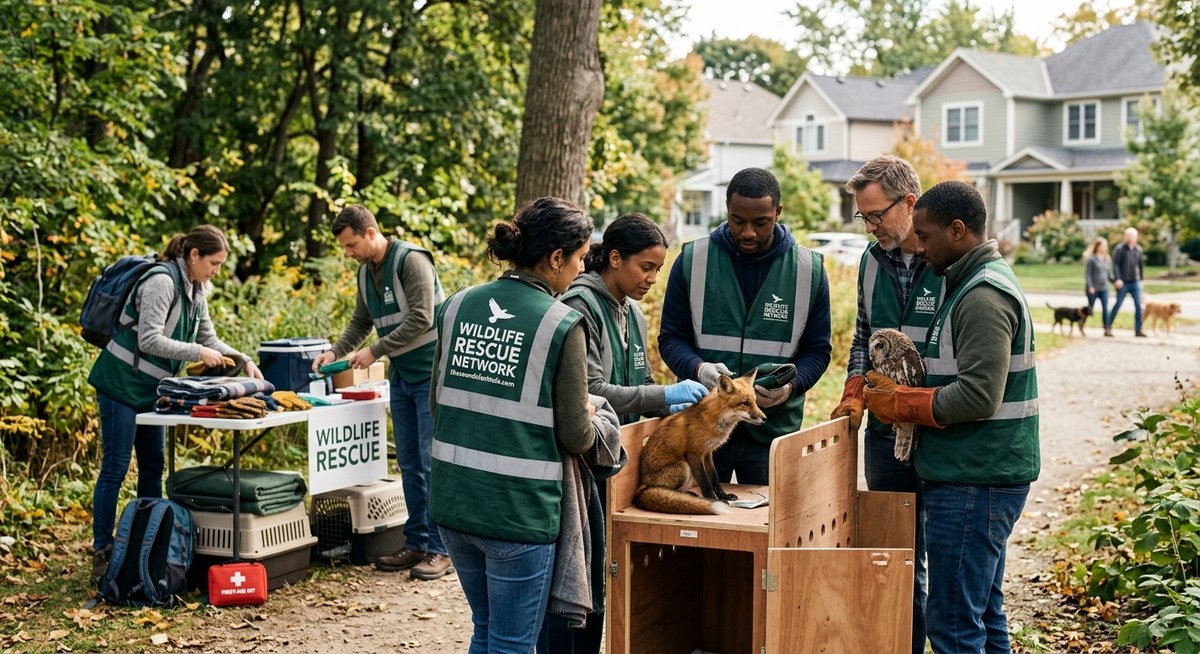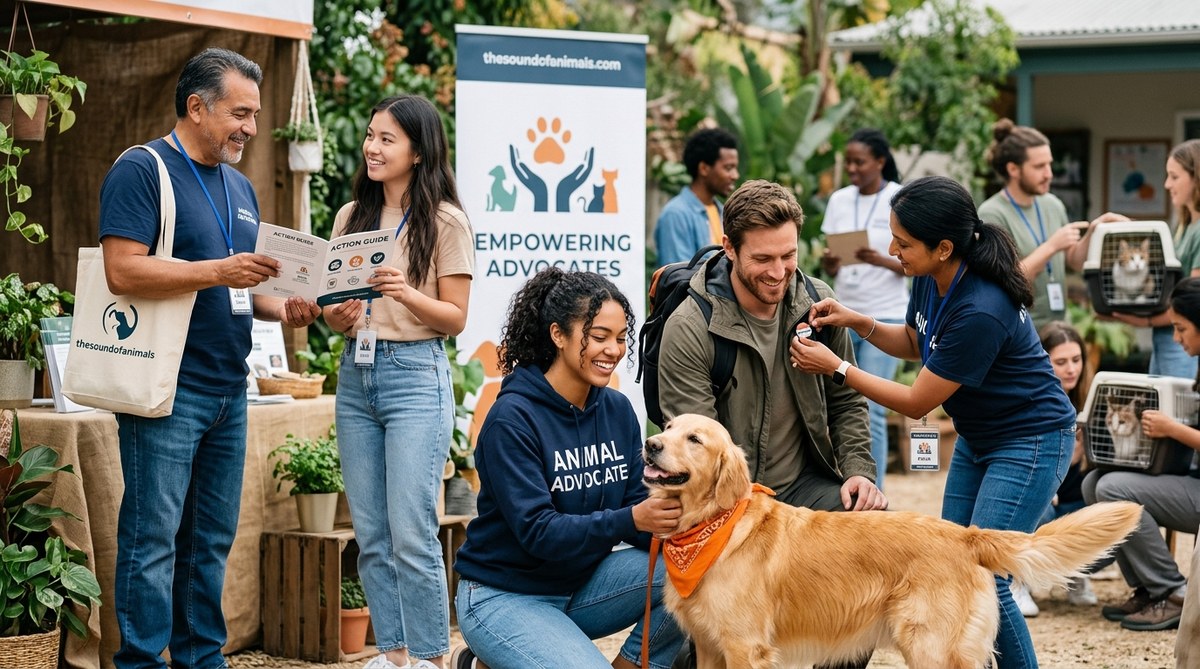
Advocating for animals can feel overwhelming at times. The good news is that small, consistent actions can lead to big change. Whether you’re just starting out or looking to sharpen your skills, understanding practical animal advocacy tips is essential. These strategies will empower you to make a real difference in the lives of animals and inspire others to join your mission.
Effective animal advocacy combines clear messaging, strategic outreach, and personal commitment. Small consistent steps, understanding your audience, and leveraging resources can significantly increase your impact for animals today.
Understanding What Makes Advocacy Effective
Animal advocacy is about more than just passion. It involves strategic action and clear communication. To truly make an impact, advocates need to understand how to connect with others and motivate change. This means focusing on practical, proven tips that can be implemented immediately.
3 Practical steps to boost your animal advocacy efforts
- Identify Your Core Message and Audience
Knowing what you want to say and who you want to reach is fundamental. Do you want to promote plant-based eating? Campaign against cruelty in shelters? Clarify your message and tailor it to your audience. For example, if you’re speaking to young people, emphasize how animal advocacy aligns with social justice. If you’re engaging with local businesses, focus on benefits like improved community reputation.
- Utilize Multiple Communication Channels
Different people prefer different ways to receive information. Use a combination of social media, community events, and direct outreach. Sharing stories that resonate emotionally can motivate action. Posting engaging videos, writing articles, or hosting local meetups can amplify your message. Remember, consistency is key. Regularly update your platforms with new content and calls to action.
- Build Relationships and Collaborate
Partnerships amplify your reach. Connect with other advocates, local organizations, and community leaders. Attend events, join online groups, and participate in coalition efforts. Building genuine relationships opens doors for joint campaigns and resource sharing. For example, collaborating with a local school to host educational programs can introduce advocacy to new audiences.
Techniques for impactful advocacy
- Focus on storytelling. Personal stories of animals in need inspire empathy and action.
- Keep your messaging clear and positive. Highlight solutions rather than just problems.
- Use social proof. Show how others are taking action to motivate more people to join.
- Lead by example. Make compassionate choices in your daily life, such as adopting pets or avoiding animal products.
Common pitfalls and how to avoid them
| Technique | Mistake | Correct Approach |
|---|---|---|
| Sharing stories | Overloading with data | Use relatable narratives to connect emotionally |
| Social media posts | Inconsistent posting | Maintain regular updates to stay visible |
| Outreach events | Lack of planning | Prepare engaging activities and clear calls to action |
| Collaborations | Focusing only on your goals | Find common ground with partners for mutual benefit |
“The most effective advocates are those who listen as much as they speak. Understanding your audience’s values helps craft messages that truly resonate,” advises animal advocacy expert Jane Smith.
Practical tools and resources
- Educational materials: Use pamphlets, videos, and infographics to inform and motivate.
- Online platforms: Create a website or blog to share stories and resources.
- Volunteer networks: Join or establish groups to expand your reach.
- Petitions and campaigns: Use tools like Change.org to mobilize support.
How to maximize your advocacy efforts
- Be consistent in your messaging. Repetition reinforces your key points.
- Personalize your outreach. Share your own story or reasons for caring.
- Stay informed. Keep up with current issues and effective strategies.
- Celebrate small wins. Recognize progress to keep motivated.
Learning from others and continuous improvement
Seek feedback from your community and fellow advocates. Attend workshops or webinars on advocacy techniques. Keep refining your approach based on what works best in your local context. Remember, advocacy is a journey of ongoing learning.
Making advocacy part of your daily life
Small actions add up. Here are simple ways to integrate advocacy into your routine:
- Share animal stories on social media.
- Volunteer at local shelters.
- Support cruelty-free brands.
- Talk to friends and family about animal issues.
Final thoughts on impactful advocacy
Every advocate plays a vital role in shaping a kinder world for animals. By applying these practical tips, you can increase your influence and inspire others to join your cause. Consistent effort, strategic communication, and genuine compassion create ripple effects that extend far beyond individual actions.
Remember, your voice matters. Start today by choosing one or two of these tips to implement. Over time, your efforts will grow into a powerful force for change. Keep pushing forward, knowing that even small steps lead to meaningful progress for animals everywhere.
Keep moving forward with your animal advocacy journey
Your dedication fuels the movement for animal protection. Use these practical tips as a guide to sharpen your efforts and reach more people. Every conversation, share, and action counts. With patience and persistence, you will see the difference you can make. Keep advocating with confidence and compassion. The animals need your voice now more than ever.