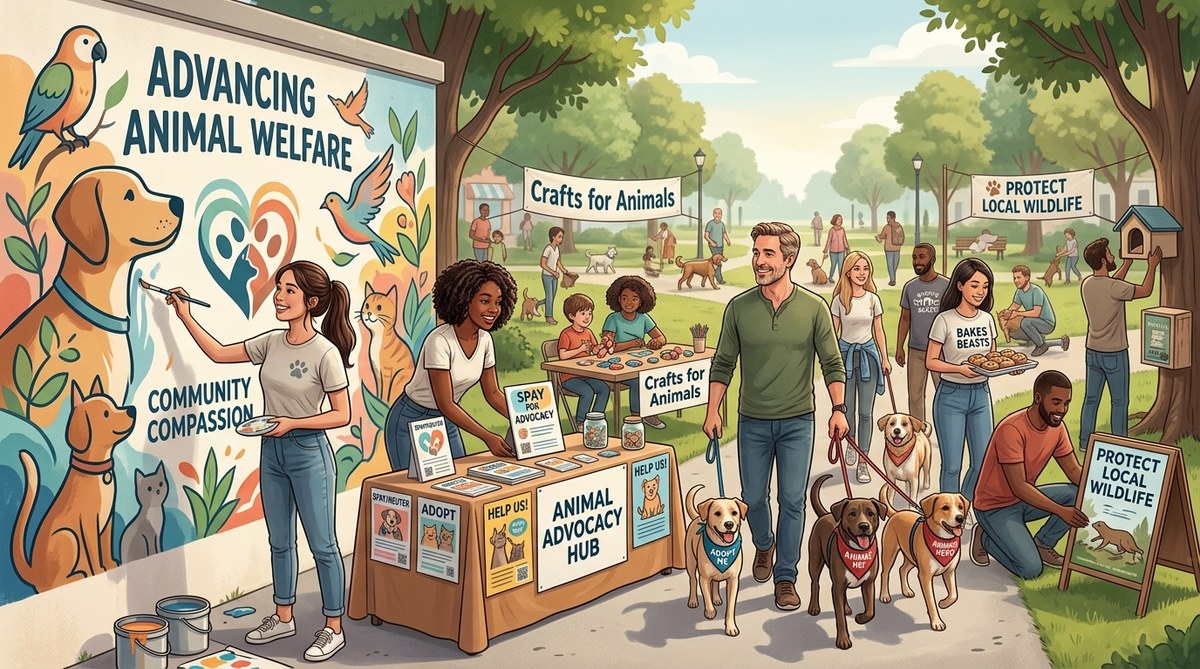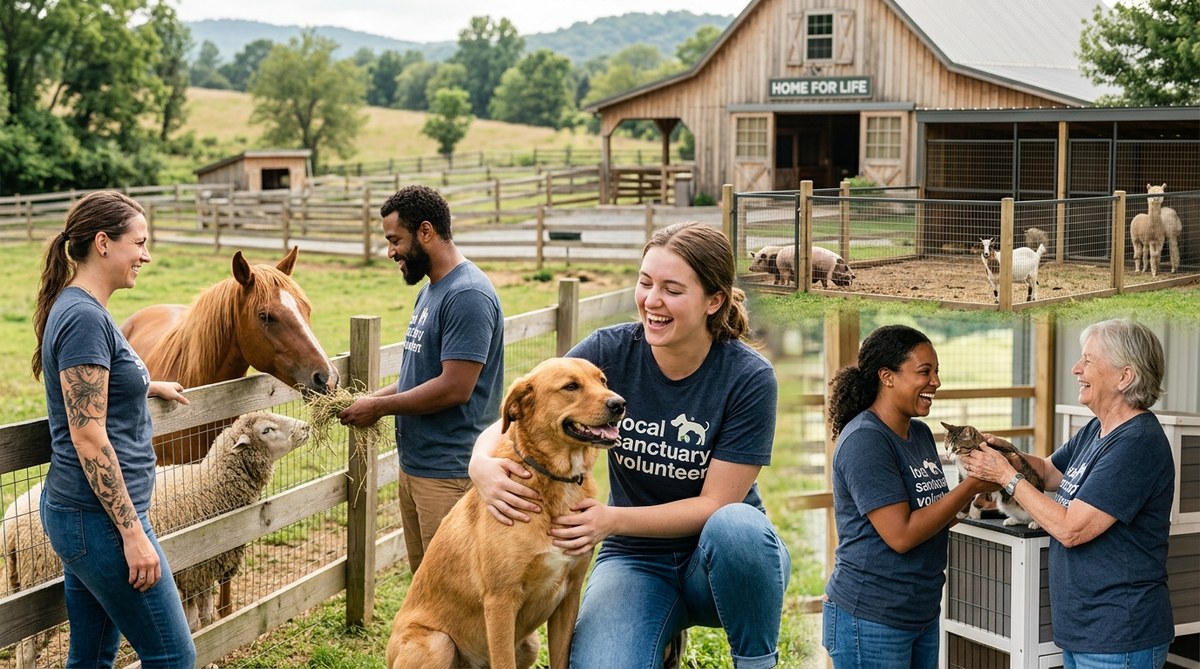
You care about animals. That much is obvious. But wanting better laws and knowing how to lobby for animal protection laws are two different skills. The good news is that you do not need a law degree or a political connection. You just need a clear plan. In 2026, local government is where the biggest wins for animals happen. Your city council votes on ordinances that directly shape the lives of pets, strays, and wildlife in your town. This guide will show you exactly how to show up, speak up, and make a difference.
Lobbying your local government is one of the most effective ways to create immediate, meaningful change for animals in 2026. This article provides a practical roadmap. You will learn how to identify the right decision-makers, build a persuasive case, rally community support, and navigate local political processes to pass stronger animal protection laws.
Why Local Government Offers the Fastest Path to Change in 2026
Federal progress on animal welfare often stalls. State legislatures can take years to act. But your local city council or county commission meets regularly. They vote on budgets and ordinances that have a direct impact on animals in your community.
In 2026, there is a growing wave of local action. Towns are passing laws to ban the sale of commercially bred dogs in pet stores. Cities are funding Trap-Neuter-Return programs for community cats. Counties are investing in better shelter standards. These changes do not happen by accident. They happen when ordinary people learn how to lobby for animal protection laws at the local level.
The best part? You do not need to be a professional activist. You just need to be a persistent, prepared voice for the animals.
Step 1. Get Specific About What You Want
You cannot walk into a city council meeting and ask for "better animal welfare." That is too broad. You need a specific request.
Here is how to define your lobbying goal:
- Pick a single issue. Focus on one thing. Is it a law against leaving dogs chained outside in extreme weather? Is it more funding for the local shelter? Choose one issue and stick with it.
- Research the current rules. Go to your city's website. Find the municipal code. Read the existing animal ordinances. Understand what is already on the books.
- Draft your proposed change. Write out the specific language you want to see. For example, "No animal shall be tethered outdoors for more than three hours between the hours of 10 p.m. and 6 a.m."
This level of preparation shows the city council that you are serious. You are not just complaining. You are offering a solution. This is the foundation of how to lobby for animal protection laws effectively.
For more ideas on building a strong foundation, read our guide on how to advocate effectively for animal rights in your community.
Step 2. Build a Coalition That Reflects Your Town
Lobbying alone is hard. Lobbying with a group is powerful. You need to show the council that this issue matters to a wide range of voters.
Start by identifying your natural allies:
- Local animal rescues and shelters. They see the problem every day. They have data and stories.
- Veterinary clinics. Vets are trusted voices in the community. A letter from a local vet carries a lot of weight.
- Neighborhood associations and faith groups. These groups have existing networks and meeting spaces.
- Small businesses. Pet supply stores, dog trainers, and groomers can all be affected by animal laws.
Once you have a list, set up a simple group chat or email list. Assign roles. Who will speak at the hearing? Who will track the legislation? Who will handle social media?
A strong coalition makes your campaign look like a movement. It takes the spotlight off any one person and puts it on the community. This is a crucial step in learning how to lobby for animal protection laws in a sustainable way.
Step 3. Tell Stories That Stick
City council members hear a lot of statistics. They remember stories. Your job is to connect the dots between a proposed law and a real animal in your town.
"The most persuasive testimony is personal. When you describe an animal by name and show the council a photo, you make the issue impossible to ignore. Your local story is the evidence they need."
Here is a breakdown of what works and what does not when you testify:
| Techniques That Win Votes | Mistakes That Lose Them |
|---|---|
| Prepare a 90-second story about a local animal. | Read a long, dry report full of statistics. |
| Thank the council for their time and service. | Blame the council for past failures. |
| Bring a one-page fact sheet to leave behind. | Forget to bring any materials at all. |
| Dress professionally and make eye contact. | Show up in a large, unorganized group. |
| Follow up with a thank-you note after the meeting. | Disappear after your testimony. |
Mastering this step is critical. When you combine a clear ask with a compelling story, you become a powerful advocate. You can also find inspiration in the stories of others. Check out these inspiring rescue transformations that show the power of compassion.
Step 4. Use Local Media to Build Public Support
Politicians pay attention to what their constituents are reading and talking about. You can use local media to create a groundswell of support.
Here are a few simple tactics:
- Write a letter to the editor. Keep it short. Focus on local impact. Mention the specific ordinance number if possible.
- Invite a reporter to cover the issue. Pitch a story about the problem your law is trying to solve. A news segment about an animal in need can shift public opinion overnight.
- Post respectfully on social media. Tag your city council members in positive, informative posts. Share educational content about why the law matters.
Public pressure makes it easier for politicians to vote yes. It gives them the confidence to lead on an issue. If you can demonstrate that the community wants this change, you have already won half the battle.
You can also use creative outreach to spread the word. Our list of 10 creative ways to raise awareness for animal welfare in your community has some great ideas.
Step 5. Follow Up and Keep Going
The vote happens. But the work does not end there.
If your law passes:
Celebrate! Thank everyone who supported you. Send handwritten notes to the council members who voted yes. This builds goodwill for your next campaign.
If your law fails:
Do not give up. Talk to the council members who voted no. Ask them what concerns they had. Ask them what it would take to earn their support in the future. Then, start planning for the next legislative session.
Persistence is the secret weapon. Laws are rarely changed overnight. The question is not whether you will win on the first try. The question is whether you will keep showing up until you do.
If you are looking for more ways to stay engaged, consider these top 10 simple ways to support animal rescue efforts from home. Every small action adds up.
Your Voice Is Their Voice
The laws that protect animals do not write themselves. They are written by people like you. People who see a problem and choose to be part of the solution.
Your local government is not some faraway institution. It is a room you can walk into. A seat you can take. A microphone you can speak into. In 2026, the animals in your town need you to be that voice.
So take a deep breath. Prepare your notes. Gather your allies. And go make a difference. The animals are counting on you.