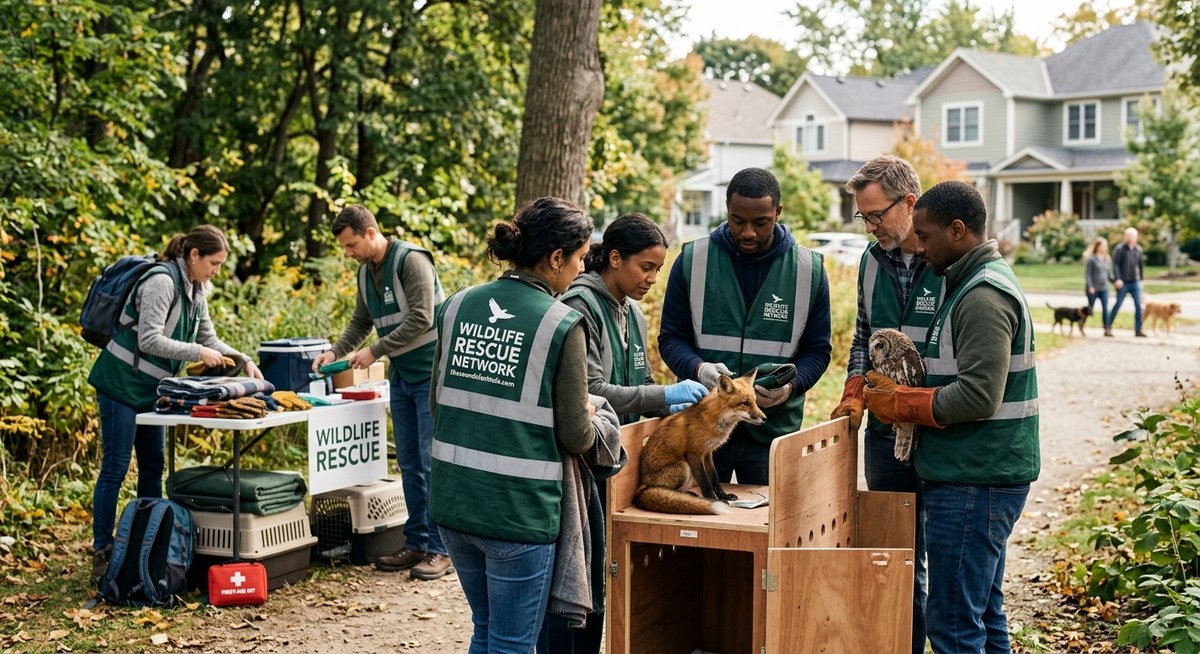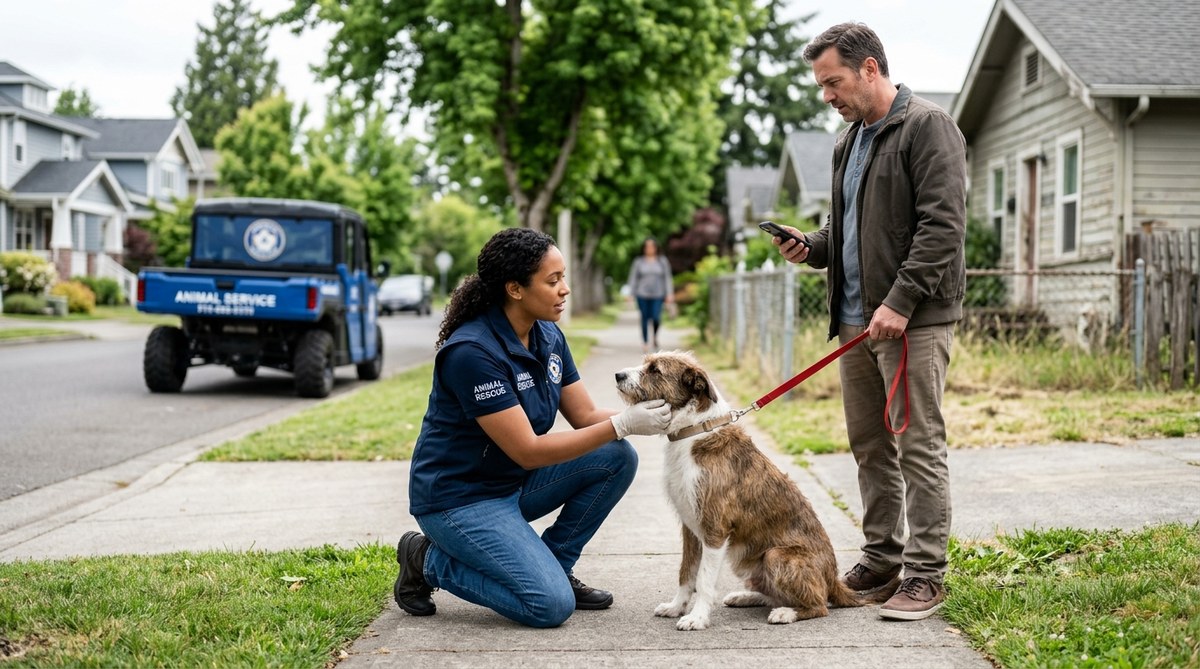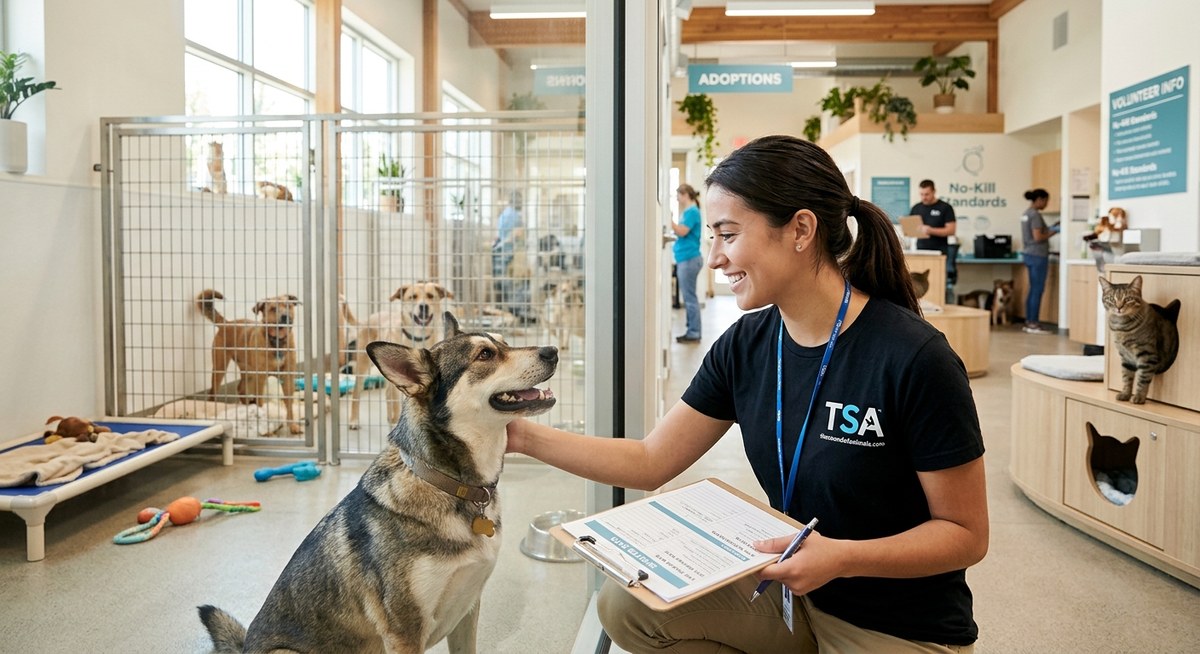
You walk into a local animal shelter excited to adopt a new companion or perhaps drop off a donation. A sign on the wall reads “No-Kill Shelter” in bold, friendly letters. It feels good. You trust that label. But what does it actually mean? And more importantly, is it true? The term “no-kill” gets thrown around a lot in 2026. Some shelters earn that description through genuine, lifesaving work. Others use it as a marketing tool while still euthanizing animals for reasons that have nothing to do with medical suffering. Knowing how to tell if an animal shelter is no-kill is not just a nice skill. It is essential for anyone who wants their adoption dollars, volunteer hours, and donation money to support real animal welfare.
A no-kill shelter commits to saving all healthy and treatable animals, but the label is often misused by facilities that still euthanize for space. To verify a shelter’s claim, look beyond marketing materials. Check their live release rate, which should be 90% or higher. Ask about their adoption programs, transfer partnerships, and intake policies. Observe the facility’s condition and staff transparency. True no-kill shelters share data openly and prioritize rehabilitation over euthanasia for treatable animals.
What Does “No-Kill” Actually Mean?
The no-kill movement is built on a straightforward goal: no healthy or treatable animal should be euthanized in a shelter. The widely accepted benchmark is a live release rate of at least 90%. That means 9 out of every 10 animals who enter the shelter leave alive through adoption, transfer to a rescue group, or return to their owner.
A shelter can call itself no-kill even if it euthanizes animals that are suffering from untreatable medical conditions or severe behavioral issues that make them unsafe for adoption. The key distinction is that euthanasia is reserved for genuine quality-of-life cases, not for lack of space, lack of time, or lack of resources.
The challenge is that no federal agency regulates the term. Any shelter can print “no-kill” on its website. The responsibility falls on you, the adopter or advocate, to confirm the claim.
Why Some Shelters Misuse the Label
Not every shelter that calls itself no-kill is trying to deceive you. Some honestly believe they meet the standard even if their numbers tell a different story. Others, unfortunately, use the term to attract adopters and donations while quietly euthanizing animals they consider “unwanted.”
The most common loophole involves intake management. Some shelters limit the animals they accept. They may turn away sick, injured, or behaviorally challenging animals, or they may only take in animals from a specific geographic area. By controlling who comes through the door, they keep their euthanasia numbers low. That is not the same as being truly no-kill. A legitimate no-kill shelter works to save all animals in its community, not just the easy ones.
Red Flags That a Shelter Might Not Be Truly No-Kill
You can spot warning signs before you ever ask for a number. Look for these indicators during a visit or a browse of their website:
- They do not publish their live release rate anywhere on their site or in their lobby.
- Staff members seem defensive or vague when you ask about euthanasia policies.
- The shelter is not transparent about how many animals are transferred to other rescues or how those rescues are selected.
- You notice that the facility turns away animals brought in by the public without clear, published criteria.
- Their adoption process is either extremely difficult (discouraging adopters) or extremely loose (suggesting high turnover).
- Volunteer turnover is high, or current volunteers seem reluctant to talk about their experience.
- The shelter uses language like “we have to be realistic” or “sometimes it is kinder” without clear medical justification.
These red flags do not prove a shelter is violating no-kill principles. But they should prompt you to ask tougher questions.
How to Verify a Shelter’s No-Kill Status
Follow this numbered process to confirm whether a shelter truly meets the no-kill standard.
-
Ask for their live release rate directly. Request the most recent full year of data. A legitimate shelter will have this number ready. If they hesitate, ask why. If they provide only a percentage without total intake and outcome numbers, ask for the full breakdown.
-
Check the breakdown by species and intake type. A shelter might have a 95% live release rate for dogs but only 80% for cats. They might also exclude owner-surrendered animals from their calculations. Ask for the rate that includes every animal who entered the building.
-
Request their euthanasia log. This is a big ask, and some shelters will say no due to privacy concerns. But a shelter committed to transparency will at least explain the reasons for each euthanasia. You want to hear “severe medical condition” or “untreatable aggression,” not “overcrowding” or “space needed.”
-
Look at their transfer partnerships. A true no-kill shelter often works with multiple rescue groups to place animals they cannot adopt out quickly. Ask for a list of partner rescues. Then call one or two to ask about their experience with the shelter.
-
Visit in person without announcing yourself. Walk through the facility. Are the kennels clean? Do animals have access to water, bedding, and enrichment? Do staff members interact with the animals in a caring way? A well-run no-kill shelter treats every animal with dignity, regardless of how long they have been waiting.
Common Misconceptions vs. Reality
| Common Misconception | What Is Actually True |
|---|---|
| No-kill means no animal is ever euthanized. | No-kill allows euthanasia for untreatable suffering or severe behavioral danger. |
| Shelters with a 90% rate are always no-kill. | The 90% standard applies to all animals, not just healthy ones. Some shelters exclude certain animals from their calculation. |
| A shelter that limits intake is being responsible. | Limiting intake can reduce euthanasia numbers, but it does not make a shelter no-kill. True no-kill shelters work to save animals from their entire community. |
| Private shelters are more likely to be no-kill. | Many public shelters achieve no-kill status through strong adoption programs and rescue partnerships. |
| If a shelter says no-kill on its sign, it must be true. | No legal definition exists. The sign is a promise, not a fact. You need to verify the data. |
| No-kill shelters never transfer animals to other facilities. | Transfers to rescue groups are a key part of no-kill operations. They help animals find the right home. |
Expert Advice on Asking the Right Questions
Shelter staff expect questions from informed adopters. You are not being rude by asking for details. You are being responsible.
“A true no-kill shelter is transparent about its numbers. If they hesitate to share their live release rate or avoid questions about euthanasia, that is a red flag you should not ignore. You have every right to ask how animals are evaluated and what happens to those who are not adopted within 30 days. A good shelter will walk you through their process with pride.”
Dr. Sarah Mitchell, veterinary shelter medicine specialist
She also recommends asking about their approach to animals with medical or behavioral challenges. Does the shelter have a dedicated medical fund? Do they work with trainers or behaviorists? Do they have a foster program for animals who need extra time to heal? These programs cost money, but they are the hallmark of a shelter that truly commits to no-kill principles.
If you want to become more involved in verifying shelter practices and supporting ethical organizations, check out our guide on how to get started as a volunteer for local animal shelters. Volunteers often see behind-the-scenes operations more clearly than the public does.
Practical Steps Before You Adopt or Donate
Before you hand over an adoption fee or write a check, take these final steps to protect your support.
- Search for your shelter on Best Friends Animal Society’s database. Best Friends tracks live release rates for shelters across the country. If your shelter is listed, you can see their data without asking them directly.
- Read recent reviews from adopters and volunteers. Sites like Google Maps and Yelp can reveal patterns. Look for comments about cleanliness, staff attitudes, and animal care. One bad review is not a pattern, but consistent complaints about transparency should worry you.
- Ask about their spay/neuter policy. No-kill shelters almost always require or provide spay and neuter before adoption. This reduces future shelter intake. A shelter that does not prioritize this is likely not thinking about long-term population control.
- Talk to local rescue groups. Rescue organizations in your area know which shelters are honest. They work together on transfers and often have inside knowledge about which facilities truly save lives. For more ways to help from home, see these top 10 simple ways to support animal rescue efforts from home.
Watch Out for These Common Tricks
Some shelters use clever wording to appear no-kill without actually meeting the standard. Watch for these phrases:
“We only euthanize for medical or behavioral reasons.” This sounds good, but ask for specifics. Some shelters label any animal with a minor treatable condition as “medical” to justify euthanasia. A dog with a broken leg that could be surgically repaired is treatable. A dog with end-stage organ failure is not.
“We are a limited-intake shelter.” This is not the same as no-kill. Limited intake means the shelter turns animals away. That does not reduce overall community euthanasia. It just shifts the burden to another facility.
“We have a 95% placement rate.” Placement rate is not the same as live release rate. Placement rate often excludes animals who died in care or were euthanized. Always ask for the full live release rate that includes all outcomes.
“We transfer animals to partner rescues.” Transfers are great. But some shelters transfer animals who are difficult to adopt and then count those transfers as a live outcome, even if the receiving rescue ends up euthanizing the animal. Ask your shelter whether they follow up on outcomes after transfer.
There are many myths about what makes a shelter ethical. Take a moment to review 5 common animal welfare myths that need to be debunked so you enter every conversation with accurate information.
Being a Smart Supporter of No-Kill Shelters
Your role does not end once you confirm a shelter is truly no-kill. You become part of the solution when you support organizations that save lives every day. Share what you have learned with friends and family. When someone posts on social media about adopting from a shelter, encourage them to ask the same questions you did. The more people who know how to tell if an animal shelter is no-kill, the harder it becomes for any facility to hide behind an empty label.
If you feel called to do more, learn how to advocate for animal rights effectively in your community. Advocacy at the local level can push more shelters toward no-kill standards by increasing funding for spay/neuter programs, foster networks, and medical care.
Every animal who enters a shelter deserves a fair chance. By verifying claims, asking hard questions, and supporting only the shelters that walk the walk, you help build a world where “no-kill” is not a marketing gimmick. It is a promise kept.