Your morning coffee ritual does more than wake you up. For the ethically-conscious coffee drinker, that first sip can be a quiet act of kindness for animals. Most people don’t realize that the beans in their mug carry a story. That story can either harm wildlife or help it. The connection between your morning coffee and animal welfare is real, and it goes far beyond choosing a cute animal logo on a bag.
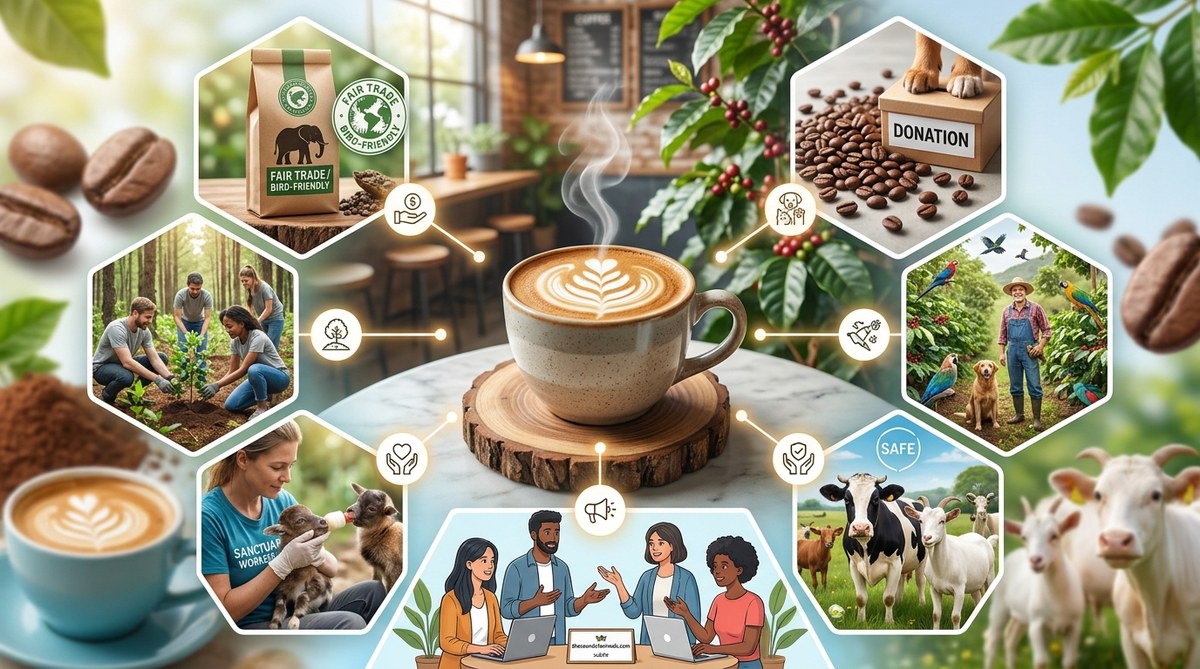
Your morning coffee can directly support animal welfare in seven unexpected ways. By choosing shade-grown, bird-friendly beans, you protect migratory songbirds. Composting coffee grounds enriches soil for wildlife habitats. Buying from roasters that donate to shelters funds rescue missions. Reusing bags reduces waste that harms animals. Choosing plant-based milks cuts dairy industry impact. Growing coffee without synthetic pesticides protects pollinators. Every cup is a vote for a more humane world.
Choose Shade-Grown Coffee to Protect Songbirds
Many coffee farms clear entire forests to grow beans in full sun. This practice destroys the habitat of migratory birds that travel from Central America to the United States each year. When you choose shade-grown coffee, you support farms that keep the forest canopy intact. These farms mimic natural ecosystems. Birds, insects, and small mammals thrive there.
Look for labels like “Bird Friendly” certified by the Smithsonian Migratory Bird Center. This certification means the coffee was grown under a dense forest canopy. One study found that bird-friendly coffee farms host up to 60% more bird species than sun-grown farms. Your morning coffee becomes a sanctuary for warblers, orioles, and tanagers. You can learn more about how to advocate effectively for animal rights in your community by starting with the choices on your kitchen counter.
Compost Your Coffee Grounds to Feed Wildlife Habitats
Used coffee grounds are gold for the soil. Instead of tossing them in the trash, start a compost pile. Coffee grounds add nitrogen, which helps plants grow strong. Healthier plants mean more food and shelter for local wildlife like squirrels, rabbits, and beneficial insects.
Here is a simple process to turn your grounds into a wildlife-friendly resource:
- Collect your used grounds in a sealed container on the counter.
- Mix them with dry leaves, grass clippings, and vegetable scraps in a 1:3 ratio.
- Turn the pile every week to add oxygen.
- After three months, spread the finished compost around native plants in your yard.
- Watch as butterflies, birds, and other creatures visit your garden.
This small habit reduces landfill waste and creates a mini-ecosystem. For more ideas on helping animals from home, check out these top 10 simple ways to support animal rescue efforts from home.
Buy From Roasters That Donate to Animal Shelters
A growing number of coffee roasters in the United States donate a portion of every bag sold to animal welfare organizations. Some partner with local shelters. Others fund spay and neuter programs. A few even support wildlife rehabilitation centers.
When you buy from these brands, your morning coffee directly funds vet care, food, and adoption programs. It is a passive way to give. You do not need to write a check. You just need to read the label. Look for roasters that publish their donation totals on their website. This transparency shows they are serious about their mission.
| What to look for | What to avoid |
|---|---|
| Roasters that publish annual donation reports | Brands with vague “a portion of proceeds” with no specifics |
| Partnerships with specific, named shelters | Generic claims about “helping animals” |
| Certifications like B Corp or 1% for the Planet | Brands that use animal images but donate nothing |
Reuse Coffee Bags to Reduce Plastic Waste
Coffee bags often end up in oceans and rivers. There, animals mistake them for food. Sea turtles, dolphins, and birds can ingest plastic fragments or get entangled. You can break this cycle by reusing or repurposing your coffee bags.
Wash them out and use them as lunch bags, plant pot liners, or storage for dry goods. Some crafty folks turn them into tote bags or aprons. Every bag you reuse is one less piece of plastic in the wild. If you want to take this further, learn how to make your home a cruelty-free zone by examining every product that enters your kitchen.
Switch to Plant-Based Creamers to Reduce Dairy Impact
The dairy industry has a heavy footprint on animal welfare. Cows are often kept in confined spaces. Male calves are frequently sold for veal. The industry also contributes to deforestation, which destroys wildlife habitat. Your morning coffee can avoid this by using plant-based creamers.
Oat milk, almond milk, soy milk, and coconut cream all work beautifully in coffee. Many brands now offer barista editions that froth just like dairy. The switch is simple. Your taste buds will adjust within a week. This one change reduces demand for dairy, which in turn reduces animal suffering.
“Choosing a plant-based creamer for your morning coffee is one of the easiest swaps you can make. It lowers your personal contribution to factory farming without requiring any extra time or money.” – Dr. Elena Marquez, animal welfare researcher
For a deeper look at this lifestyle shift, read about why plant-based living is the next frontier in animal welfare advocacy.
Support Organic Coffee to Protect Pollinators
Conventional coffee farms use synthetic pesticides and herbicides. These chemicals kill bees, butterflies, and other pollinators. Without pollinators, entire ecosystems collapse. Organic coffee farming bans these chemicals. It relies on natural pest control methods that keep insects safe.
When you buy organic, you protect the tiny creatures that make our food system possible. Bees alone pollinate one third of the food we eat. Your morning coffee can be a lifeline for these essential animals. Look for USDA Organic certification. It is a reliable standard. You can also find coffee that is both organic and shade-grown for double the impact. If you want to go further, consider 6 steps to transform your backyard into a certified wildlife habitat that includes pollinator-friendly plants.
Use Your Coffee Break to Advocate Online
The time you spend sipping your morning coffee is perfect for a small act of advocacy. Open your phone and share a post from a local animal shelter. Sign a petition for stronger animal protection laws. Send a message to your representative about a wildlife issue.
Here are a few ways to use that five-minute window:
- Share a rescue animal’s profile from a shelter’s Facebook page.
- Leave a positive review for a brand that supports animal welfare.
- Tag a coffee roaster and ask if they donate to animal causes.
- Forward an article about animal welfare to a friend.
- Post a photo of your shade-grown coffee bag with a note about why it matters.
These small actions add up. They raise awareness and build momentum. You can find more ideas in this guide on 10 creative ways to raise awareness for animal welfare in your community.
A Cup of Compassion Changes Everything
Your morning coffee is not just a drink. It is a daily decision that ripples outward. Each of these seven actions is simple. None of them require a major lifestyle overhaul. Yet together, they create a powerful force for good. The birds in the canopy, the bees in the field, the shelter dog waiting for a home, they all benefit from the choices you make before 8 AM.
Start with one change this week. Maybe it is switching to shade-grown beans. Maybe it is composting your grounds. Pick one and stick with it. Once that feels natural, add another. Before you know it, your morning coffee will be a ritual of compassion that fuels both your body and your values. The animals are counting on you. And honestly, your coffee will taste even better knowing it helped.