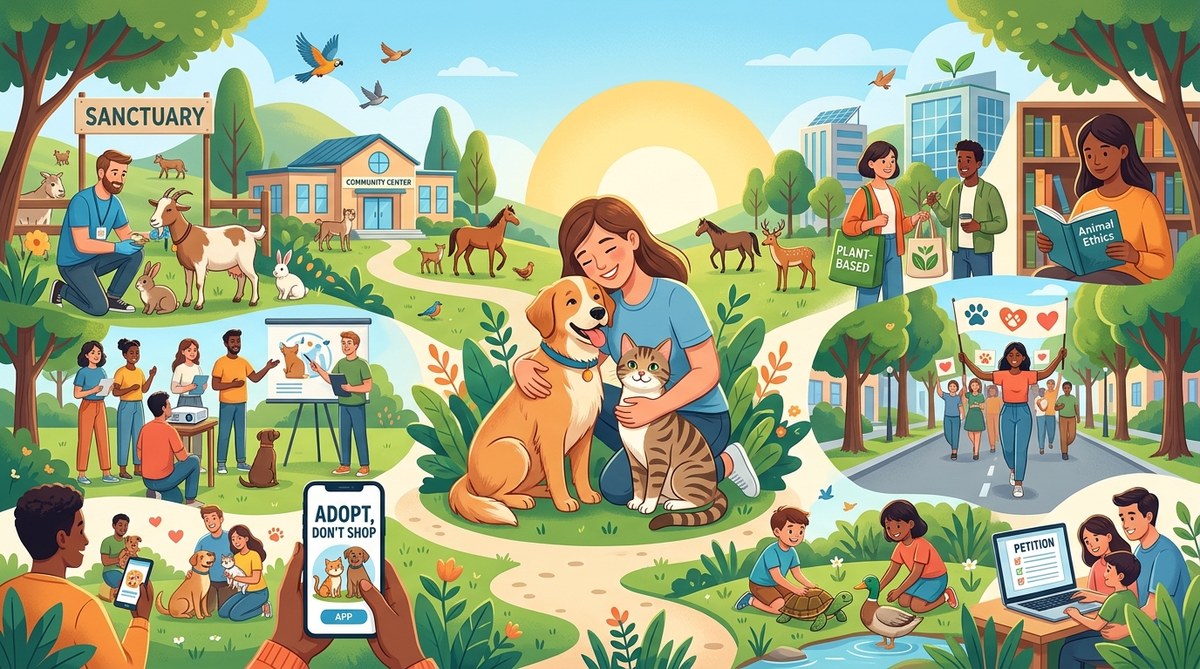
Animals share our world and deserve our kindness. Promoting compassion for animals can feel overwhelming, especially with so many ways animals are misunderstood or mistreated. But small, meaningful actions can create a ripple of change. Whether you’re an advocate, volunteer, or simply someone eager to make a difference, you can help foster a more compassionate world for all creatures. Here are some innovative, practical ideas to inspire your journey toward greater kindness.
Promoting compassion for animals involves small, consistent actions like choosing cruelty-free products, volunteering your time, and educating others. These steps foster empathy and drive positive change for animals everywhere, making kindness a natural part of everyday life.
Simple acts that inspire a more compassionate attitude towards animals
Building a more caring world starts with small but intentional choices. Many of these actions can be integrated into daily routines, turning kindness into a natural habit.
1. Educate yourself and others about animal welfare
Knowledge is the foundation of compassion. Learning about the needs, behaviors, and struggles of different animals helps dispel myths and fosters empathy. Share what you learn with friends and family, and encourage open discussions about ethical treatment. For example, understanding the cruel practices behind certain industries can motivate you to support cruelty-free brands and advocate for change.
2. Support cruelty-free and plant-based products
Opting for cruelty-free cosmetics, cleaning supplies, and food significantly reduces animal suffering. Many companies now offer options free from animal testing and exploitation. Transitioning to plant-based meals or reducing meat consumption can also lower demand for industries that harm farm animals. Small dietary shifts not only benefit animals but also contribute to a healthier planet.
3. Volunteer with local shelters or rescue groups
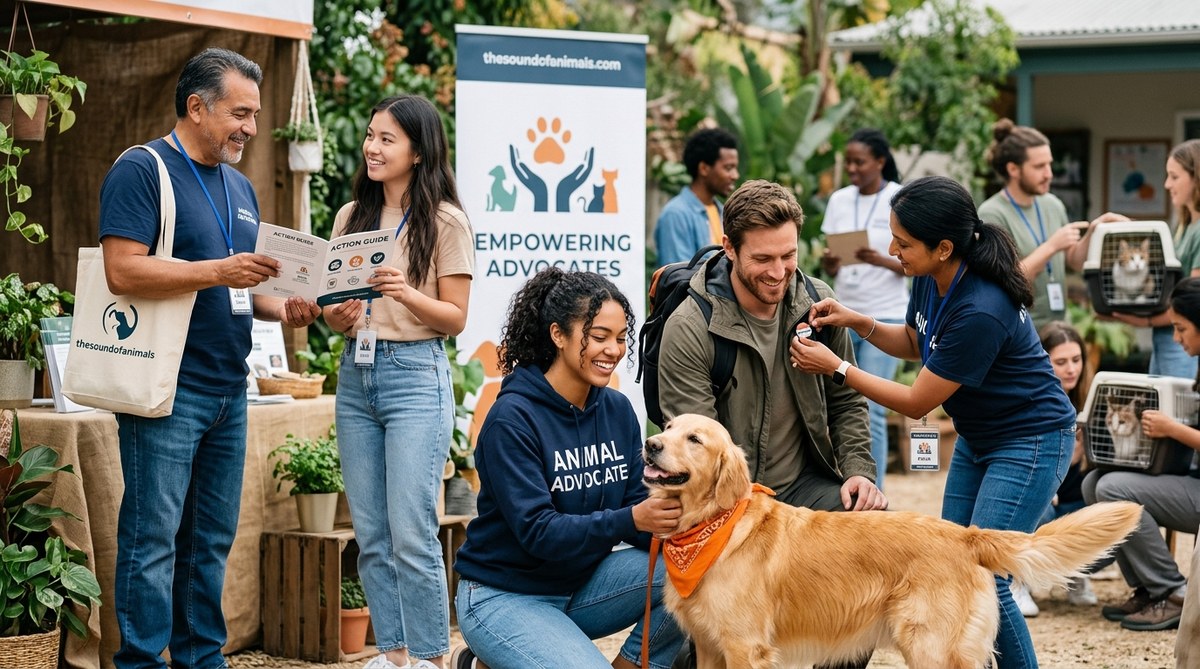
Giving your time to an animal shelter or rescue organization can be deeply rewarding. Tasks might include walking dogs, socializing cats, or helping with administrative work. Your presence provides comfort to animals and helps them find loving homes faster. Volunteering also deepens your understanding of animal needs and the challenges faced by those working tirelessly for animal welfare.
4. Foster animals in need
Fostering allows animals to experience a caring home while awaiting adoption. It reduces shelter overcrowding and gives pets a chance to develop confidence and trust. Fostering is especially helpful for animals with special needs or those who need socialization. This act of kindness creates a bridge between shelter and forever home.
5. Advocate for stronger animal protection laws
Engaging in advocacy efforts can lead to meaningful policy changes. Write to local representatives, participate in petitions, or join campaigns that push for humane legislation. Your voice helps prioritize animal welfare in community decisions, ensuring better protections and standards for animals everywhere.
Practical techniques to promote compassion and common pitfalls to avoid
Understanding the best ways to help and recognizing common mistakes can amplify your impact.
| Technique | Mistake to Avoid |
|---|---|
| Supporting local rescue efforts | Supporting organizations with poor track records or lack of transparency |
| Adopting pets from shelters | Impulse buying from breeders or pet stores without considering the long-term commitment |
| Educating others about animal welfare | Spreading misinformation or oversimplifying issues |
| Participating in community clean-ups | Ignoring the interconnectedness of environmental health and animal well-being |
| Making cruelty-free choices | Assuming all products are cruelty-free without checking labels |
“Every act of kindness toward animals, no matter how small, contributes to a more compassionate society. Educate yourself, support ethical choices, and inspire others to do the same.” — Animal welfare expert
6. Promote wildlife conservation and habitat protection
Wild animals face threats from habitat destruction, pollution, and human conflict. Supporting conservation initiatives and planting native gardens can create safe spaces for local wildlife. Avoid disturbing wild animals in their natural environments and leave them undisturbed. Advocating for protected areas reinforces the importance of coexistence.
7. Reduce use of single-use plastics and litter
Plastic pollution harms countless animals, from sea turtles to birds. Committing to reusable bags, bottles, and containers helps reduce waste. Participate in local clean-up events to remove harmful debris from parks and beaches. These efforts directly benefit animals and the ecosystems they rely on.
8. Support ethical entertainment options
Avoid visiting facilities that exploit animals for entertainment, such as circuses or marine parks. Instead, choose humane alternatives like wildlife sanctuaries or virtual tours that respect animals’ natural behaviors. Educate others about the importance of respecting animals’ dignity.
9. Share stories and raise awareness
Use your social media platform to highlight animal rescue stories, advocacy campaigns, and educational content. Personal stories resonate deeply and motivate others to act. Sharing positive examples of kindness can inspire a community of compassionate individuals.
10. Incorporate kindness into everyday routines
Small gestures, like giving treats to your pet, volunteering at community events, or simply speaking kindly about animals, reinforce a culture of compassion. Remember, consistency creates habits, and habits shape attitudes.
Techniques and mistakes in promoting animal compassion
| Techniques | Mistakes to Avoid |
|---|---|
| Supporting responsible adoption | Supporting unverified organizations or those with questionable ethics |
| Educating with facts and empathy | Using guilt or shame to persuade others |
| Volunteering regularly | Overcommitting and burning out |
| Participating in habitat restoration | Ignoring the importance of local ecosystems |
| Advocating through storytelling | Relying solely on emotional appeals without facts |
Wise words from animal care professionals
“Small acts of kindness, when multiplied across communities, create a wave of compassion that can change lives—both human and animal.” — Veterinarian and animal advocate
Connecting compassion with community action
Creating a kinder world for animals requires collective effort. Join local initiatives, participate in awareness campaigns, or organize educational workshops. Your involvement encourages others to join and fosters a culture where animals are valued and protected.
A gentle call to action for everyday kindness
Fostering compassion for animals is accessible and fulfilling. Start with simple choices—support cruelty-free brands, volunteer your time, or educate someone nearby. Remember that every act counts and that your efforts inspire others to do the same. Together, these small steps build a more empathetic and respectful world for all creatures.
Ways to weave kindness into your daily life
Living compassionately for animals is about making conscious decisions. These can be as straightforward as choosing eco-friendly products, advocating for better policies, or sharing positive stories. Every action, big or small, adds to the fabric of kindness that connects us all. Make kindness a natural part of your routine and watch the impact grow.
By adopting these approaches, you become a catalyst for change. The more we understand and practice compassion, the more we nurture a world where animals are treated with the respect they deserve. Your commitment today can inspire a future where kindness prevails across all living beings.