When a neighbor loses their job or faces an unexpected bill, the family pet often feels it first. Shelters report that pet food insecurity is a leading reason animals are surrendered. The good news is that a single neighborhood pet food drive can keep dozens of pets in loving homes and reduce strain on local rescues. You don’t need a big budget or a warehouse. You just need a plan and a few willing neighbors. Here is exactly how to start a pet food drive that makes a real difference.
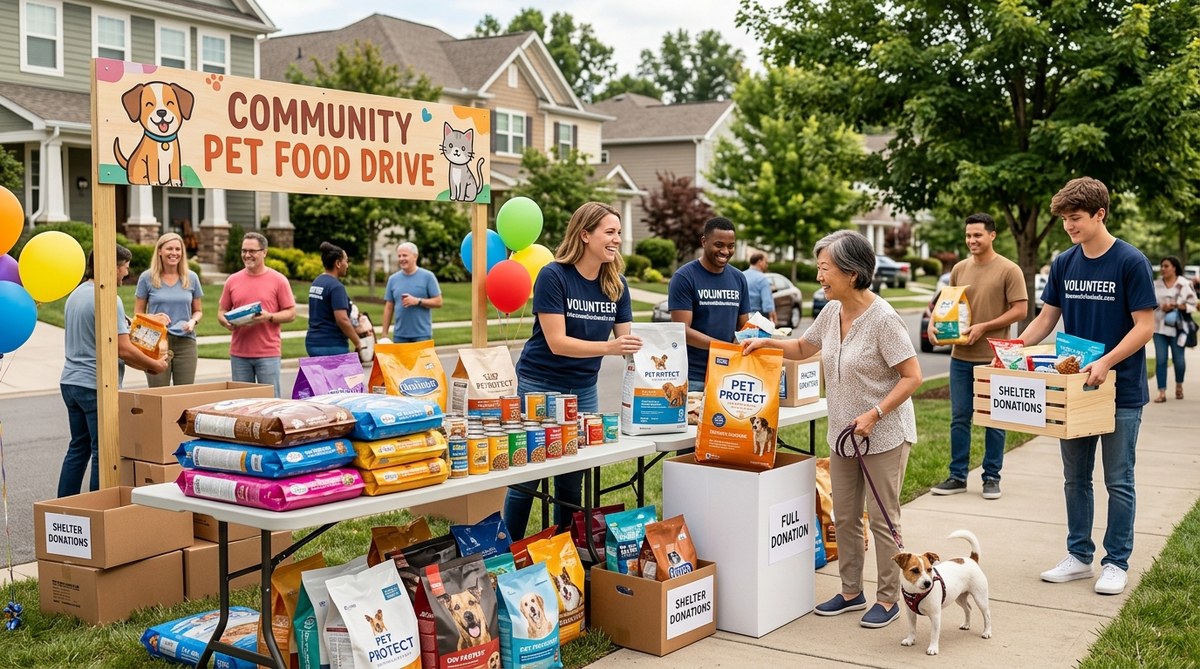
A successful neighborhood pet food drive starts with clear goals, a partner shelter, and a simple collection method. Focus on widely accepted brands, promote through local social media groups and flyers, and track donations to show impact. Even a small drive can keep pets with their families and out of shelters. Start small, scale up.
Why a Neighborhood Drive Matters
Animal shelters across the United States face an ongoing challenge: keeping their shelves stocked with nutritious pet food. In 2026, rising costs have made it even harder for families to afford kibble and canned food. A pet food drive isn’t just about filling bowls. It prevents pets from being surrendered due to a temporary hardship. By organizing a drive in your own block or subdivision, you create a support network that strengthens the entire community.
If you are new to volunteer work, this is one of the most accessible ways to get involved. You can learn more about how to get started as a volunteer for local animal shelters once you see the impact firsthand.
Step 1: Define Your Goals
Before you ask for donations, decide what success looks like. Answer these questions:
- How much food do you want to collect? A goal of 200 pounds is achievable for a small neighborhood.
- Which species will you support? Most shelters need both dog and cat food, but check if they also take food for rabbits, birds, or other small animals.
- What is the timeline? A two week collection period works well. It gives people time to shop without dragging on.
Write your goals down. Share them with your neighbors so everyone knows the target.
Step 2: Partner with a Local Shelter
A shelter partner is essential. They will tell you exactly what they need and when they can accept deliveries. Reach out to your nearest animal rescue or municipal shelter. Explain that you want to organize a pet food drive on their behalf. Most shelters will provide a wish list of their most needed items.
Ask the shelter about any restrictions. Some can only accept unopened bags. Others may be grateful for gently used bowls or blankets as well. Get a contact person and confirm drop off hours.
Step 3: Choose Your Collection Method
Decide how and where people will drop off food. Here are three common approaches, along with common mistakes to avoid.
| Collection Method | Best For | Common Mistake |
|---|---|---|
| A designated bin on your front porch | Small neighborhoods with trusted neighbors | Not securing the bin from weather or animals |
| A central drop spot (church, community center, school) | Larger drives with more participants | Failing to ask permission from the location manager in writing |
| A virtual drive with an Amazon Wishlist | People who prefer online shopping | Forgetting to update the list when items run out |
Whichever method you choose, make it easy. People are more likely to donate if there is a clear, convenient place to leave food.
“The most successful drives are the ones that remove every barrier to giving. If a neighbor has to drive twenty minutes to donate, most won’t bother. Meet them where they are.” – Rachel Torres, volunteer coordinator at Paws United Rescue
Step 4: Spread the Word
You cannot have a successful drive if nobody knows about it. Use a mix of online and offline promotion.
Online Promotion
- Post in your neighborhood Facebook group or Nextdoor. Include the shelter’s wish list and your collection dates.
- Create a simple flyer as a JPEG and ask neighbors to share it.
- Send a short email to your block’s email list if you have one.
Offline Promotion
- Print flyers and tape them to mailboxes (with permission) or leave them at local pet stores.
- Hang a banner outside your home if you are using a front porch bin.
- Tell your friends at the dog park. Word of mouth still works.
For more ideas on raising visibility, check out 10 creative ways to raise awareness for animal welfare in your community.
Step 5: Collect, Sort, and Deliver
Here is a simple process to follow once donations start coming in.
- Check expiration dates. Shelters cannot accept expired food. Toss any bags or cans that are past their date.
- Sort by type. Keep dog food separate from cat food. If you have specialty diets, note those for the shelter.
- Weigh or count. Record the total weight in pounds or the number of cans. This data will help you celebrate your success and plan future drives.
- Contact the shelter. Arrange a drop off time. Some shelters accept deliveries on specific days.
- Deliver with a thank you note. A personal touch goes a long way. Include the total amount collected and maybe a photo of the donation pile.
Step 6: Build for Next Time
A one time drive helps, but a recurring drive creates lasting change. Consider turning your effort into a quarterly event. You can even team up with other neighborhoods to form a network.
Keep a list of everyone who donated. Send them a brief update after the drive. Show them the impact they made. For example: “Our drive collected 340 pounds of food, which will feed 12 dogs and 15 cats for a month.” Numbers like that inspire people to join again.
What to Avoid
Even well intentioned drives can hit snags. Here are a few pitfalls to watch out for.
- Opening bags to check the food. Never open sealed bags. Shelters only accept factory sealed items.
- Ignoring storage. If you use a bin outside, make sure it is watertight and animal proof. Raccoons love unattended kibble.
- Overlooking smaller shelters. Big name shelters often have corporate donors. Smaller rescues may need your help more. Ask your local all volunteer rescue groups.
- Forgetting to say thank you. A simple card or social media shout out makes donors feel appreciated and more likely to give again.
From One Drive to a Community Movement
Starting a neighborhood pet food drive is one of the most hands on ways to support animal welfare. It connects you with your neighbors, helps local shelters, and keeps pets where they belong: at home with the people who love them. Whether you collect fifty pounds or five hundred, every bag of food matters.
If you want to deepen your impact, consider exploring top ways to support animal rescue missions in your community. Your small drive can spark a wave of compassion that grows block by block.
So grab a bin, call your local shelter, and start talking to your neighbors. The animals are counting on you.