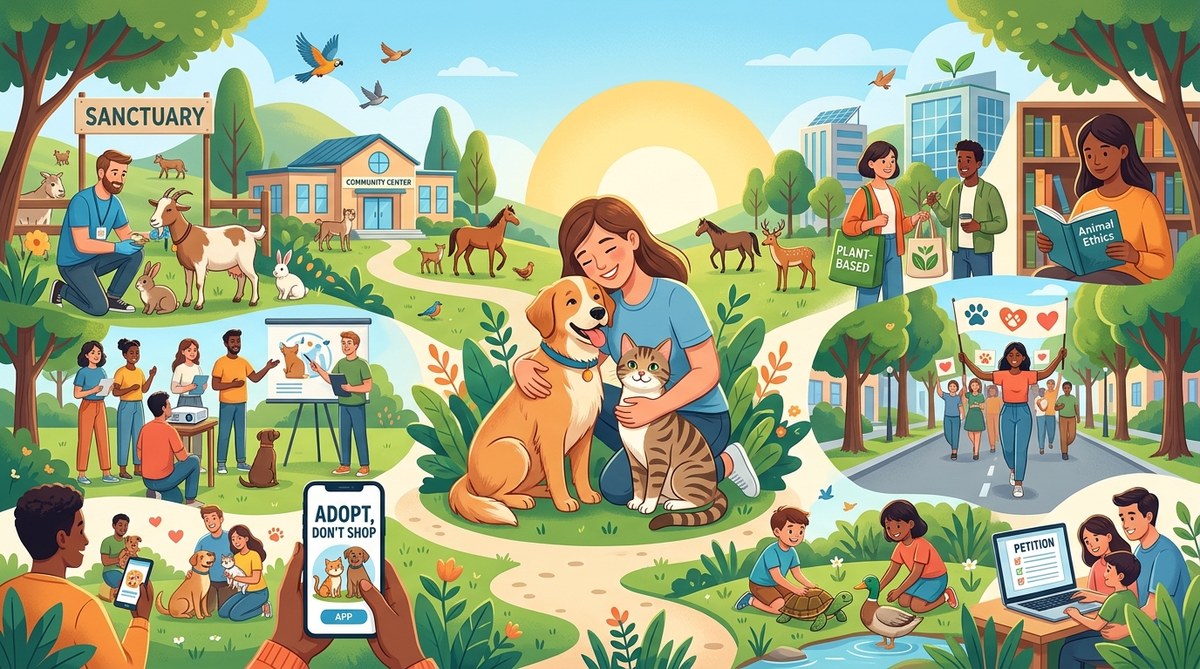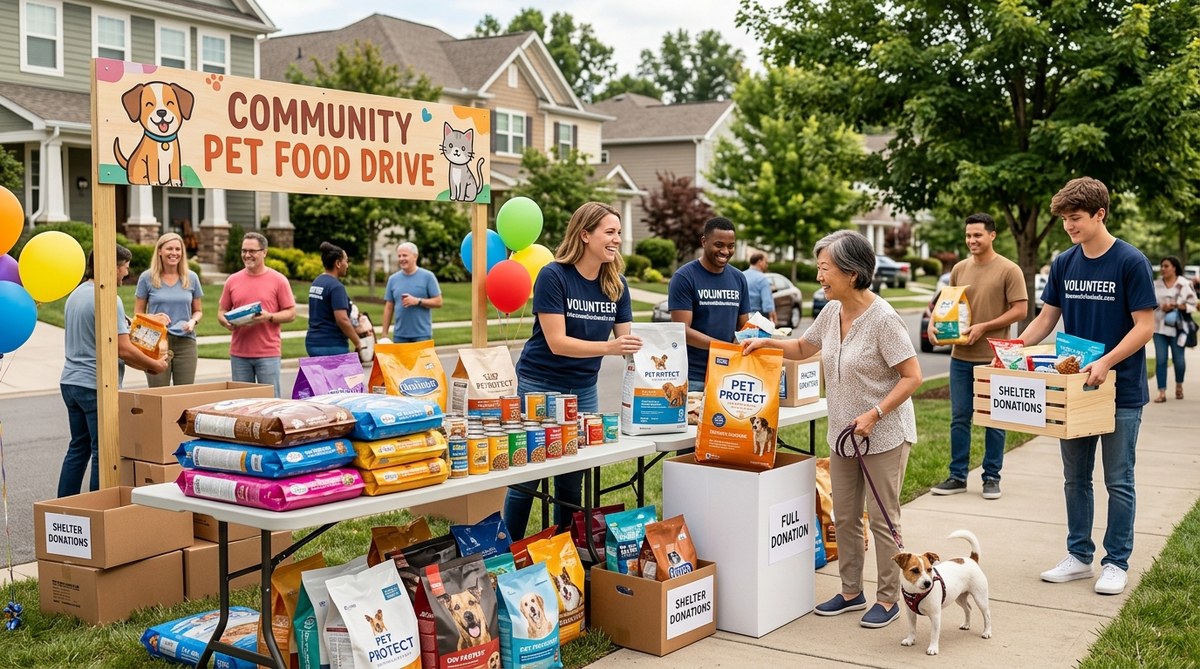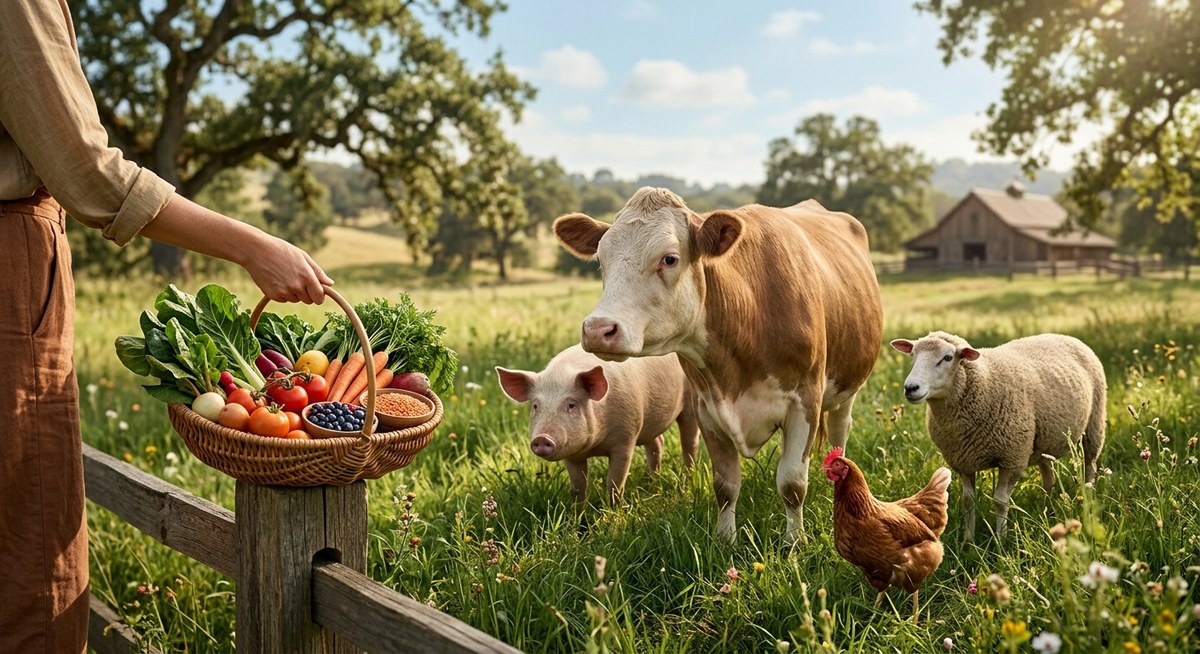
You care deeply about animals. You have signed petitions, donated to shelters, maybe even volunteered at a local rescue on weekends. You have done the hard work of speaking up for creatures who cannot speak for themselves. But there is a quiet shift happening in the world of advocacy, and it might be the most powerful tool you have not fully tried yet. The next frontier animal advocacy is not just about protesting factory farms or adopting stray cats. It is about aligning what is on your plate with the compassion in your heart. Plant-based living has moved beyond a diet trend. In 2026, it stands as a direct, daily, and deeply personal form of protest against animal suffering. And it might just be the missing piece in your advocacy puzzle.
Plant-based living is the natural extension of animal welfare advocacy. By reducing demand for animal products, you directly shrink the factory farming system. This article shows you how to integrate plant-based choices into your advocacy work, avoid common mistakes, and use your lifestyle as a persuasive conversation starter. You do not need to be perfect. You just need to start.
Why Your Plate Matters More Than Your Protest Sign
Think about the numbers for a moment. Every year in the United States, billions of land animals are raised and killed for food. That number dwarfs every other form of animal harm combined. No amount of shelter volunteering, no matter how noble, can match the scale of impact that a shift in food choices can create.
When you choose a plant-based meal, you are voting with your wallet. You are telling the food system that you do not support confinement, debeaking, tail docking, or early death. That single choice ripples outward. Over time, it changes supply chains, menu offerings, and cultural norms.
This is why the next frontier animal advocacy is not just about laws and lawsuits. It is about the quiet, radical act of eating differently.
The Ripple Effect of One Meal
Let us say you replace one chicken dinner with a bean burrito. That single swap spares a living creature from a life of suffering. Do that once a week for a year, and you have saved more than fifty animals. Share that habit with a friend, and the numbers double.
Advocacy groups have known this for years. But the conversation has shifted. We are no longer just talking about “going vegan” as an all or nothing switch. We are talking about plant-based living as a spectrum, a practice, and a conversation starter.
“The single most effective thing an individual can do to reduce animal suffering is to shift their diet. It is not the only thing, but it is the foundation everything else builds on.”
Dr. Melanie Joy, author and psychologist specializing in animal advocacy
How to Make Plant-Based Living Part of Your Advocacy
You do not need to become a perfect vegan overnight. That pressure actually turns people away. Instead, think of this as a practice. Here is a simple process to get started:
- Identify your anchor meal. Pick one meal you eat every day. Breakfast is a great place to start. Swap dairy milk for oat milk or eggs for tofu scramble. Master that one meal first.
- Build a rotation of three go-to plant-based meals. Think black bean tacos, lentil soup, and peanut noodle bowls. When you know what you are eating, you are less likely to fall back on old habits.
- Learn to handle social situations. Restaurants, family dinners, and work events are where most people stumble. Call ahead, bring a dish to share, or eat beforehand. Confidence comes with preparation.
Once you have stabilized your own eating, you can start using it as a tool for advocacy.
Using Your Lifestyle as a Conversation Starter
This is where many advocates get nervous. You do not want to come across as pushy or preachy. That is fair. The goal is not to lecture. The goal is to invite.
When someone asks why you are eating a plant-based burger, you have an opening. You do not need to launch into a lecture about factory farming. You can say something like:
“I learned about how animals are treated in industrial farms, and I wanted my choices to match my values. It has been a journey, but I feel good about it.”
That is it. Honest, humble, and human.
People respond to that. They do not respond to judgment.
Common Mistakes in Plant-Based Advocacy
Even with the best intentions, advocates sometimes make missteps that actually push people away. Here is a useful table to help you avoid those pitfalls.
| Mistake | Why It Backfires | Better Approach |
|---|---|---|
| Using graphic imagery without warning | Triggers defensiveness and shame | Share stories of rescue and recovery first |
| Claiming moral superiority | Makes people feel attacked | Use “I” statements about your own journey |
| Insisting on perfection | Sets an impossible standard | Celebrate progress, not perfection |
| Ignoring cultural food traditions | Alienates people from different backgrounds | Offer plant-based versions of familiar dishes |
| Shaming people for slip-ups | Creates fear and guilt | Encourage curiosity and small steps |
These mistakes often come from a place of passion. You care so much that you want everyone to change right now. But lasting change happens gently, over time, through relationships.
The Role of Community in Plant-Based Advocacy
You do not have to do this alone. One of the most encouraging developments in the next frontier animal advocacy is the growth of plant-based communities. From potluck groups to online forums, there are people who share your values and can support you.
Look for local vegan meetups. Join social media groups focused on plant-based living in your city. Share recipes with friends. When you build community, your own commitment strengthens, and your advocacy becomes more natural.
If you are looking for more ways to get involved, check out our guide on how to advocate effectively for animal rights in your community. It pairs perfectly with the plant-based approach.
The Bigger Picture: Systems Change Starts with Individuals
Some advocates worry that focusing on individual choices distracts from the need for systemic change. That concern is valid. We need better laws, stronger enforcement, and corporate accountability. But here is the thing: systems are made of people. Every CEO, every legislator, every grocery store manager is a person who eats food. When enough individuals shift their diets, the system has no choice but to follow.
Look at what has happened in the last five years. Plant-based milk now accounts for over 15% of the milk market in the United States. Major fast food chains offer plant-based burgers. Supermarkets have entire sections dedicated to alternative proteins. This did not happen because of laws. It happened because people changed what they bought.
That is the power of plant-based living as advocacy.
A Practical Tool Kit for the Plant-Based Advocate
If you are ready to deepen your practice, here are some concrete actions you can take this week.
- Try one new plant-based recipe from a cuisine you already love.
- Replace butter with plant-based margarine or coconut oil in your baking.
- Bring a plant-based dish to your next potluck or family dinner.
- Learn how to order plant-based at your favorite restaurant chain.
- Share a photo of a plant-based meal on social media with a simple caption about why you chose it.
Each of these is a small act. Together, they build momentum.
For more ideas on building momentum through daily habits, read our article on empowering animal advocates: practical steps to make a difference today.
Addressing Common Concerns About Plant-Based Living
You might have questions or hesitations. That is normal. Let us address a few of the most common ones.
Is plant-based eating expensive? Not necessarily. Staples like beans, rice, lentils, oats, and seasonal vegetables are among the cheapest foods you can buy. The expensive packaged products are optional.
Will I get enough protein? Yes. Plant protein is abundant in beans, lentils, tofu, tempeh, nuts, seeds, and whole grains. Most Americans already eat more protein than they need.
What about family dinners? Start by making one meal that everyone can eat. Build from there. You might be surprised at how open your family is to trying new foods.
Is it hard to eat out? It is getting easier every year. Most restaurants now have at least one plant-based option. Apps like HappyCow can help you find good choices anywhere.
What if I slip up? You keep going. Perfection is not the goal. Consistency over time is what matters.
If you are looking for more practical tips on making the transition smoother, take a look at our resource on top 10 simple ways to support animal rescue efforts from home.
The Emotional Side of Plant-Based Advocacy
Let us be honest for a moment. Caring about animals in a world that often does not can be exhausting. You might feel overwhelmed by the scale of suffering. You might feel lonely in your choices. That is real, and it is okay to acknowledge it.
Plant-based living offers a way to channel that grief into action. Every time you sit down to eat, you are making a choice that aligns with your values. That is healing. It turns helplessness into agency.
You are not responsible for saving every animal. You are only responsible for doing what you can, with what you have, where you are.
A Note on Intersectionality
Many advocates are now recognizing that animal welfare does not exist in a vacuum. The same systems that exploit animals also exploit people, especially marginalized communities. Plant-based living can be part of a broader commitment to justice.
This does not mean you have to be perfect. It means you stay open to learning. You listen to voices from different backgrounds. You recognize that access to plant-based food is not equal for everyone, and you advocate for better access in underserved communities.
If this perspective resonates with you, you might appreciate our article on 10 innovative ways to promote compassion and ethical treatment for animals.
The Path Forward: Your Next Step
Plant-based living is not the only form of animal advocacy. But it is the one that touches every part of your life. It is the one you can practice three times a day. It is the one that quietly, steadily, changes the world.
The next frontier animal advocacy is not a far away dream. It is happening right now, in kitchens and dining rooms across the country. It is happening when a parent chooses oat milk for their child. It is happening when a college student learns to cook lentils. It is happening when a grandparent tries a veggie burger for the first time.
You can be part of that frontier.
Start where you are. Choose one meal. Make it plant based. See how it feels. Then choose another.
Your Advocacy, Amplified by Your Plate
There is something deeply satisfying about knowing that your dinner matches your values. It brings a sense of integrity that is hard to find anywhere else. When you live your advocacy instead of just talking about it, people notice. Your example becomes more persuasive than any statistic.
So here is the invitation: let your plate be part of your protest. Let your grocery list be part of your advocacy. Let your next meal be a step toward the world you want to see.
The animals do not need your perfection. They need your persistence. And in 2026, with more plant-based options than ever before, that persistence has never been easier to practice.
If you are ready to take the next step, start with one small change today. Your heart knows the way. Your plate just has to follow.