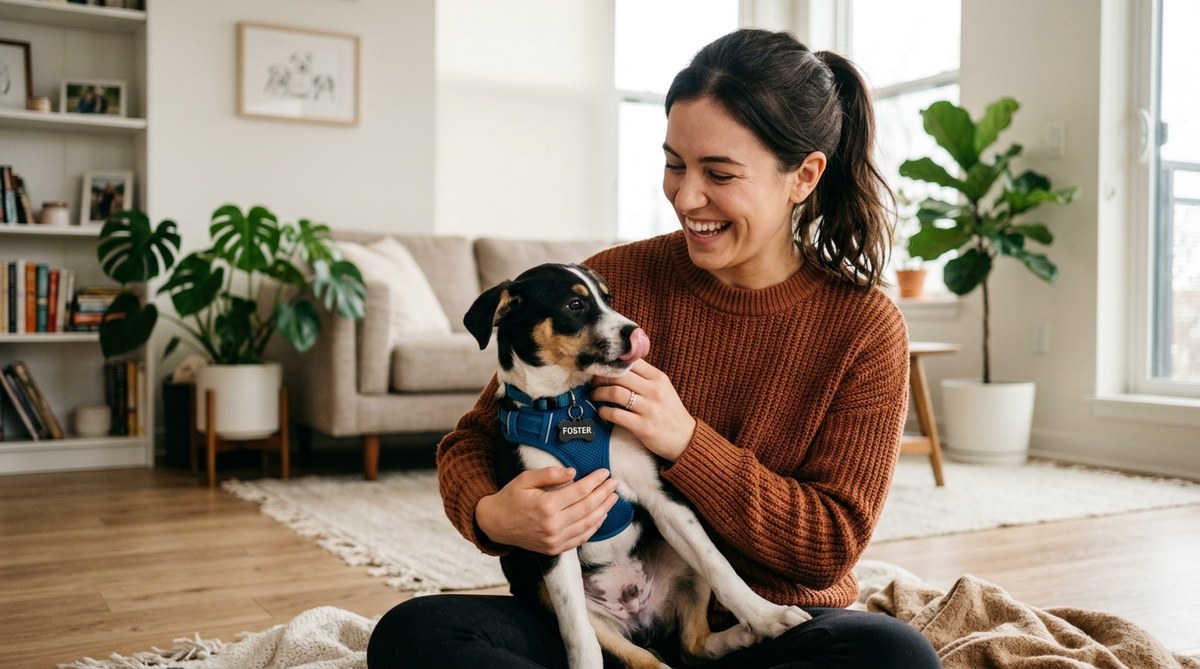
Every year, thousands of healthy shelter animals are euthanized simply because there isn’t enough space. But you can change that by opening your home temporarily. Becoming a foster parent for shelter animals is one of the most direct ways to save a life, and in 2026, shelters across the United States need you more than ever. Whether you have a tiny apartment or a house with a yard, whether you work from home or have a flexible schedule, there is a foster role that fits your life. This guide walks you through everything you need to know to start.
Fostering a shelter animal gives a pet a temporary home while freeing up space and resources at overcrowded shelters. In 2026, the need is urgent: many shelters operate at 150% capacity, making foster parents essential to reducing euthanasia rates. This guide covers eligibility requirements, the step-by-step application process, types of animals you can foster, typical costs (often covered by the shelter), and common challenges with practical solutions. By fostering, you directly save lives and create room for other animals in crisis.
Who Can Become a Foster Parent?
Many people assume they need special training or a huge house to foster. That is simply not true. Most shelters have a basic set of requirements designed to ensure the animal’s safety and well-being. Here are the typical criteria:
- You must be at least 18 years old (some shelters require 21).
- You must have a stable housing situation and landlord approval if you rent.
- Your own pets must be up-to-date on vaccinations and spayed or neutered.
- You need to provide a safe environment: no open windows without screens, no toxic plants within reach, and secure fencing if required.
- You must be able to transport the animal to vet appointments and adoption events.
- A willingness to learn and follow shelter protocols matters more than prior experience.
Most shelters offer training and support. You do not need to be a veterinary expert. They will walk you through feeding, medication, and behavioral tips.
The Step-by-Step Process to Become a Foster Parent
Each shelter has its own process, but the general path is similar across the country. Follow these steps to get started.
-
Research local shelters and rescue groups. Start by looking at organizations in your city or county. Visit their websites or call to ask about foster programs. Many have an orientation session or an online application form.
-
Submit an application. This typically asks about your home environment, experience with animals, availability, and preferences (dogs, cats, kittens, puppies, seniors, or special needs). Be honest about your lifestyle.
-
Complete a home check or virtual tour. Some shelters come to your home. Others accept a video walkthrough. They want to see that the space is safe.
-
Attend a training session. Most shelters offer a short orientation covering basic care, signs of illness, and how to handle emergencies. This may be in person or online.
-
Get matched with an animal. The shelter will consider your home, experience, and the animal’s needs. They will tell you the expected duration of the foster stay.
-
Bring your foster home and begin care. The shelter usually provides food, bedding, toys, and medical care. You provide love, attention, and a calm environment.
-
Return the animal for adoption events or medical checkups. You may need to bring the pet back for vaccinations, spay/neuter surgery, or adoption meet-and-greets.
This process can take as little as a few days or up to two weeks, depending on the shelter.
What Types of Animals Need Fostering?
Shelters need fosters for many kinds of animals, not just puppies and kittens. Here are the most common categories:
- Nursing mothers with litters. A mother cat or dog with newborns cannot stay in a busy shelter. A quiet home helps them thrive.
- Orphaned kittens and puppies. Without a mother, these babies need bottle feeding every few hours.
- Senior pets. Older animals often get overlooked in shelters. They need a calm space where they can rest and feel safe.
- Animals recovering from surgery or illness. After spay/neuter, injury treatment, or mange care, these animals need a clean, low-stress environment.
- Behavioral fosters. Dogs or cats that need extra training or socialization to become adoptable.
- Temporary housing for animals stuck in legal cases. These pets may need a home for several months while their fate is decided.
To learn more about the broader impact of these efforts, check out how to advocate for animal rights effectively in your community.
Common Challenges and How to Handle Them
Fostering is rewarding, but it comes with real challenges. The table below outlines typical problems and practical solutions.
| Challenge | Why It Happens | What You Can Do |
|---|---|---|
| Separation anxiety in the pet | The animal is stressed by a new environment | Use calming pheromone sprays, provide a crate with a blanket, and establish a routine. |
| House soiling or accidents | Stress, fear, or lack of housetraining | Confine the pet to a small safe area, take them out frequently, and clean accidents with enzymatic cleaner. |
| Not enough time to care | Work or family schedules get busy | Coordinate with a backup foster or shelter volunteer. Short-term fosters are also available (just a few days). |
| Difficulty saying goodbye | You bond with the animal | Remember you are the bridge to their forever home. Celebrate the adoption and focus on the next life you can save. |
| Your own pet gets upset | Existing pets may feel threatened | Introduce slowly, keep separate spaces initially, and give your own pet extra attention. |
If you ever feel overwhelmed, reach out to your shelter coordinator. They have seen it all and can offer support.
Expert Advice from Shelter Staff
I asked a foster coordinator at a large Midwestern shelter what she wishes every new foster knew. Here is her advice:
“Do not try to fix every behavior on day one. Give the animal at least three days to decompress. During that time, keep the environment calm and predictable. The most successful fosters are the ones who trust the process and ask for help when they need it. And remember: you are not failing if the animal does not perfect in your home. You are giving them a chance to heal.”
That mindset shift can make all the difference. Many shelters also offer a buddy system where experienced fosters mentor newcomers. There is no shame in needing guidance.
Your First Step Toward Fostering
Fostering a shelter animal is not about being perfect. It is about being present. You do not need a huge budget or years of experience. You just need a willingness to open your home and heart temporarily.
If you are still on the fence, consider starting with a short-term foster. Many shelters need fosters for just a weekend or a week to give a pet a break from the kennel. That low commitment can help you test the waters.
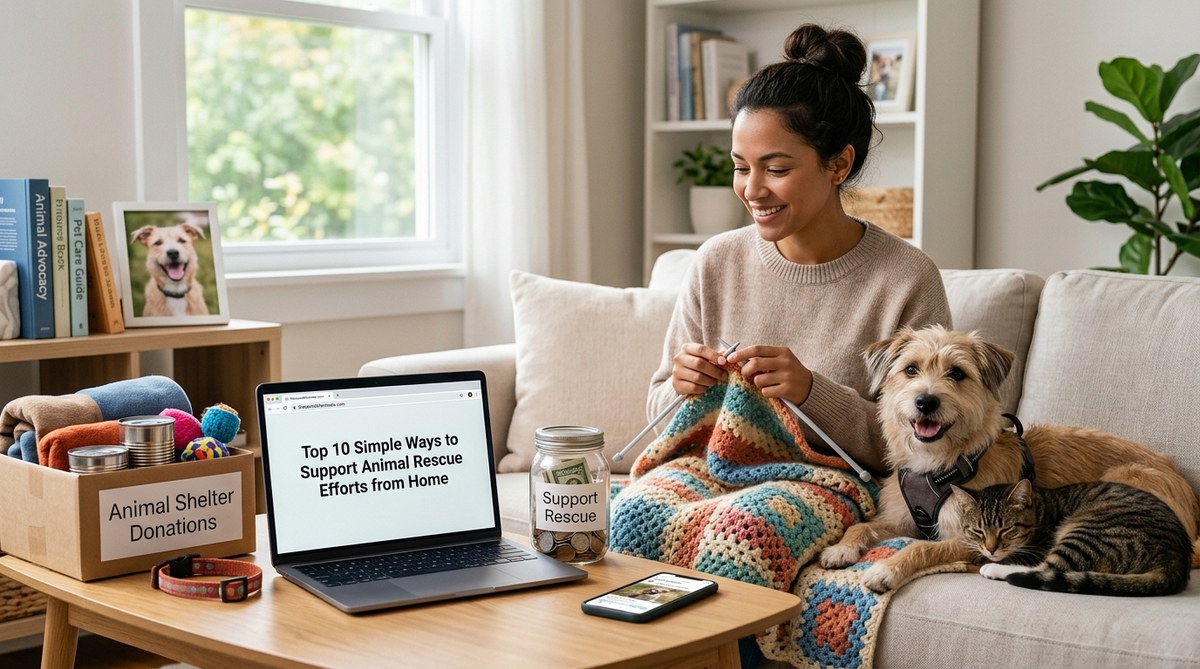
For more ways to contribute without fostering full-time, read top 10 simple ways to support animal rescue efforts from home. And if you are ready to take the next step, how to get started as a volunteer for local animal shelters will show you how to build a deeper connection with your community.
The animals do not care if your furniture is scratched or if you have to clean up a mess. They care that someone shows up for them. In 2026, you can be that someone. Contact your local shelter today and ask about their foster program. The first step is the hardest, but it is also the most meaningful.