Every day, well meaning people repeat claims about animal welfare that simply aren’t true. Maybe you have heard that shelter pets are damaged goods. Or that animal rights groups just want your money. These stories spread fast, and they cause real harm. They stop people from adopting. They discourage volunteers. They make it harder for rescue organizations to do their work. If we want to help animals, we need to start with facts, not fear.
Animal welfare myths are not harmless misunderstandings. They directly reduce adoption rates, discourage volunteers, and drain resources from shelters. The truth is that shelter animals are loving companions, rescue organizations are transparent, and anyone can help animals regardless of budget or experience. Learning the facts empowers you to advocate effectively and make choices that truly improve animal lives.
Where Animal Welfare Myths Come From
Most myths about animal welfare start in one of three places. First, outdated information that gets passed down without checking. Second, isolated horror stories that people assume represent every shelter or rescue. Third, confusion between animal welfare and animal rights, which are related but not identical.
One viral post about a bad shelter can make people distrust all shelters. One rumor about a rescue group misusing funds can make donors stop giving everywhere. The result is the same: animals suffer because good people hold back.
Understanding the difference between animal welfare and animal rights is a great place to start. If you are interested in learning more about that distinction, check out our guide on how to advocate effectively for animal rights in your community.
Myth 1: Animal Welfare and Animal Rights Are the Same Thing
This is one of the most confusing animal welfare myths out there. People often use the two terms as if they mean the same thing. They do not.
Animal welfare focuses on the well being of animals within human care. It works to improve conditions for pets, farm animals, and wildlife. Animal welfare advocates support better living standards, humane treatment, and responsible ownership while accepting that humans use animals for food, work, and companionship.
Animal rights takes a different position. It argues that animals should not be used by humans at all. This includes no farming, no pet ownership, no zoos, and no research. The goal is full liberation.
Both groups care about animals, but their approaches and goals are different.
Why does this matter? Because when people confuse the two, they often reject animal welfare outright. A person might say, “I don’t support those extreme animal rights people,” and then refuse to donate to a local shelter. The shelter was never extreme. It just wanted to feed hungry dogs.
“The public often lumps all animal advocacy together. But most shelters and rescues are focused on practical welfare. They need community support to keep their doors open, not philosophical debates.” – Dr. Maria Santos, shelter veterinarian and animal welfare educator
If you want to support animal welfare without getting into the deeper rights debate, that is completely valid. Many people do. You can read more about embracing ethical living by choosing cruelty free animal products to see how welfare focused choices fit into daily life.
Myth 2: Shelter Animals Are There Because They Are Broken or Dangerous
This myth breaks our hearts. It is also completely false.
The majority of animals in shelters are there because of human circumstances, not because of anything wrong with them. Common reasons include:
- A family moved and could not take the pet
- The owner developed allergies or health issues
- Financial hardship made pet care impossible
- The owner passed away with no one to take the animal
- A landlord changed the pet policy
- The animal was found as a stray with no identifying tags
Less than 10% of shelter animals are surrendered because of behavior problems. And many of those behavior issues are simple training gaps that any adopter can fix.
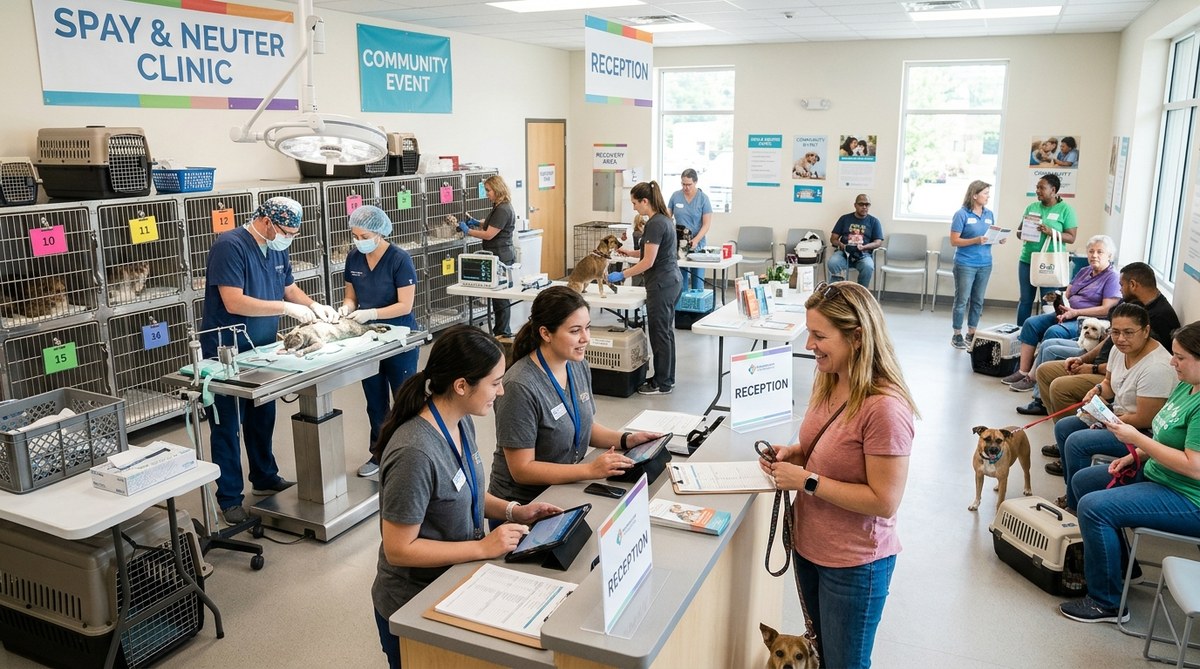
Shelters evaluate every animal for temperament. They provide medical care, enrichment, and training. The dog you meet at a shelter today is not the same animal who arrived last week. They have been cared for, observed, and often already started on a behavior plan.
Here is a simple breakdown of what shelter animals actually need:
| Common Myth | The Reality |
|---|---|
| They were surrendered because they bite | Most are surrendered due to owner life changes |
| They are sick or injured | Shelters provide full vet care before adoption |
| They are traumatized and broken | Most adjust quickly with love and routine |
| You cannot know their history | Shelters do full behavior assessments |
| They will never bond like a breeder pet | Shelter animals form incredibly strong bonds |
If you are considering adoption, do not let this myth stop you. Read about why adopting a senior pet could be the most compassionate choice you will ever make and see how many shelter animals are simply waiting for a second chance.
Myth 3: Animal Welfare Groups Are Just Looking for Donations
This one makes rescue workers sigh. Yes, shelters need money. They have vet bills, food costs, facility maintenance, and staff salaries. But the idea that animal welfare groups are greedy or dishonest is a harmful myth.
Most shelters and rescues operate on tight budgets. Many are run by volunteers who work 60 hour weeks for no pay. The money they raise goes directly to animal care.
Here are 3 practical steps you can take to verify any animal welfare organization before donating:
- Check their public financial records. Nonprofit organizations in the US must file Form 990 with the IRS. These forms show exactly how much money goes to programs versus overhead.
- Visit the facility in person or schedule a virtual tour. Legitimate shelters welcome visitors and happily show you their work.
- Look for clear mission statements and impact reports. Good organizations share their success stories and their financial numbers openly.
There are bad actors in every industry. Animal welfare is no exception. But painting all rescue groups as money hungry is unfair and dangerous. It discourages donations that save lives.
If you want to help but are worried about where your money goes, start with items on the wish list. Most shelters post lists of supplies they need. You can also support 5 ethical brands that donate a portion of profits to animal welfare to ensure your dollars go to good work.
Myth 4: You Need Money or Special Training to Help Animals
This myth keeps a lot of good people on the sidelines. They think, “I cannot adopt. I cannot donate. So there is nothing I can do.”
That is not true. There are many ways to support animal welfare that cost nothing and require no experience.
Here are some things anyone can do starting today:
- Share shelter posts on social media. A shared post can reach someone looking to adopt.
- Offer to walk dogs or socialize cats at your local shelter. Most shelters welcome volunteers with no prior experience.
- Foster an animal temporarily. This costs the shelter less than boarding and gives an animal a home environment.
- Collect unused towels, blankets, or pet food from neighbors and drop them off.
- Write positive reviews for your local shelter online. Good reviews build trust.
- Report animal cruelty if you see it. You do not need to be an expert. Just call the right authorities.
Volunteering is especially accessible. Shelters need people for cleaning, walking, adoption events, and office tasks. Many allow teenagers to volunteer with a parent. Retirees often make excellent volunteers because they have flexible schedules.
If you are ready to step up, read about how to get started as a volunteer for local animal shelters. It is easier than you think.
Myth 5: Farm Animals Do Not Experience Suffering the Way Pets Do
This myth allows people to disconnect from how food animals are treated. The idea is that cows, pigs, and chickens do not feel pain or fear the same way a dog or cat does.
Science says otherwise.
Research shows that farm animals are sentient beings. They experience pain, fear, stress, and joy. Pigs play and form strong social bonds. Cows mourn their calves. Chickens have complex social hierarchies and can recognize up to 100 other chickens.
Animal welfare is not just about pets. It includes farm animals, laboratory animals, and wildlife. When people overlook farm animal welfare, they ignore the largest population of animals in human care.
You do not have to become vegan to care about farm animal welfare. Simple choices matter:
- Buy eggs from pasture raised hens when possible
- Choose meat from farms with humane certifications
- Reduce food waste so fewer animals are raised unnecessarily
- Support legislation that improves farm animal living conditions
These choices send a message to producers that consumers care about how animals are raised.
For more on this, read our article on 10 innovative ways to promote compassion and ethical treatment for animals that includes farm animal considerations.
How to Spot Animal Welfare Myths in Everyday Conversations
Once you know the facts, you start noticing myths everywhere. A friend says shelter animals are too risky. A family member says animal welfare groups are a scam. A coworker says farm animals do not feel pain.
Here is a bulleted list of warning signs that a claim might be a myth:
- It relies on one scary story instead of data
- It makes a blanket statement about all shelters or all rescues
- It uses emotional language designed to provoke fear or anger
- It discourages action instead of encouraging informed choices
- It comes from a source with no direct experience in animal welfare
When you hear these patterns, you can gently offer facts. You do not need to argue. Just share what you have learned.
If you feel ready to take your advocacy further, consider how to lobby your local government for stronger animal protection laws in 2026. Real change happens when informed citizens speak up.
The Real Cost of Believing Animal Welfare Myths
Animal welfare myths do not just confuse people. They have measurable negative effects.
When people believe shelter animals are dangerous, fewer animals get adopted. When people think rescue groups waste money, donations drop. When people assume they cannot help, volunteers do not show up. The result is that shelters stay full, animals stay longer, and euthanasia rates stay higher than they should be.
In 2025, shelters across the United States took in over 6.5 million animals. Adoption rates have not kept pace. Myths are a major reason why.
Every myth that gets debunked is a small victory. It means one more person might adopt. One more person might donate. One more person might volunteer.
Small Actions That Make a Big Difference
You do not need to become a full time activist to fight animal welfare myths. You just need to be willing to learn and share.
Here is a numbered list of simple actions you can take this week:
- Pick one myth from this article and fact check it yourself using reliable sources like the ASPCA or Humane Society.
- Share this article or another resource with a friend who has expressed hesitation about adopting or donating.
- Visit your local shelter and ask what they need most right now. It might be blankets, food, or just someone to walk dogs.
- Follow reputable animal welfare accounts on social media so your feed is full of accurate information.
- Correct one myth politely when you hear it in conversation. You can say, “I used to think that too, but I learned something different.”
For more ideas, read about top 10 simple ways to support animal rescue efforts from home. Many of these require no money and no travel.
Helping Others See the Truth About Animal Welfare
The people who believe animal welfare myths are not bad people. They are usually kind people who heard something wrong and never had a reason to question it. Your job is not to shame them. Your job is to offer a better story.
When you share the truth with compassion, you build trust. That trust can lead to adoptions, donations, and volunteers. It can change how a community treats its animals.
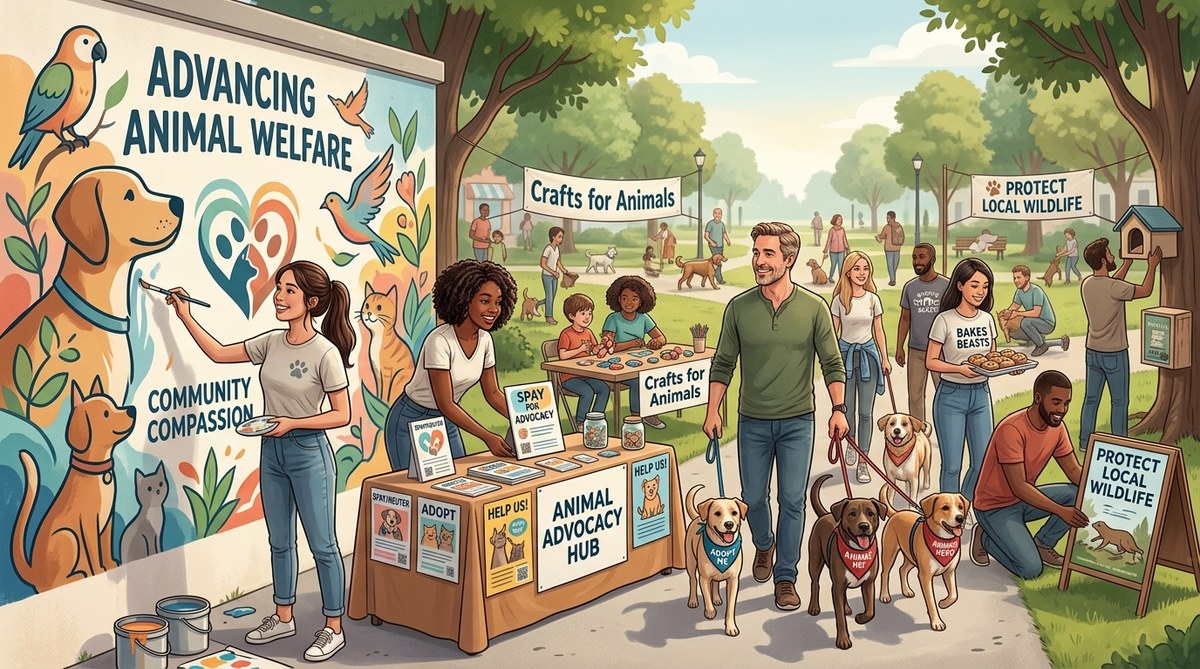
If you want to go further, consider 10 creative ways to raise awareness for animal welfare in your community. Hosting a small event, starting a neighborhood pet food drive, or simply talking to your local librarian about displaying animal welfare books can plant seeds that grow.
Moving Forward With Facts Instead of Fear
Animal welfare myths have been around for a long time. They will not disappear overnight. But every time you choose a fact over a rumor, you make the world a little better for animals.
Start with the animals in your own neighborhood. Visit a shelter. Talk to a rescue volunteer. Read their financial reports. See the work with your own eyes. The truth is right there, and it is much more hopeful than the myths suggest.
Then share what you have learned. Your voice matters more than you know. When you speak up with kindness and accuracy, you help replace fear with understanding. And understanding leads to action that saves lives.